Cultivating Culture: Britain's Allotment Revolution Blooms Into Serious Art Commerce
Seeds of Artistic Change
Beneath the surface of Britain's most democratic cultural institution—the humble allotment—an extraordinary artistic movement is flourishing. What began as weekend escapes from urban life have evolved into creative laboratories where plot holders are developing work that speaks to fundamental human relationships with land, community, and seasonal rhythms. This distinctly British phenomenon is now attracting serious attention from galleries and collectors who recognise the authentic voice emerging from these unlikely creative spaces.
The transformation is perhaps unsurprising when considered within Britain's broader cultural context. Allotments have long served as spaces of resistance, creativity, and community building. During both world wars, they provided essential food security. In the post-industrial era, they offer sanctuary from digital overwhelm. Now, they're becoming incubators for art that captures something essential about contemporary British experience.
From Soil to Canvas
At Westfield Allotments in Sheffield, ceramicist Helen Davies has been developing a practice that literally incorporates the earth beneath her feet. Her vessels, formed from clay mixed with soil from her plot, carry the specific mineral signature of this former steel industry site. The resulting work, exhibited at galleries across Yorkshire, sells for £400-£1,200 per piece to collectors drawn to its authentic connection to place.
"There's something profound about working with the actual substance of the land you're cultivating," Davies explains whilst tending her runner beans. "The clay remembers the industrial history, the seasons of growth, the community of hands that have worked this soil."
Davies represents a growing cohort of allotment artists whose practice emerges directly from their relationship with specific plots of British earth. Unlike studio-based artists who might romanticise agricultural life from a distance, these practitioners live the reality of weather, seasons, and soil conditions that inform every aspect of their work.
The Community Canvas
The social dimension of allotment culture provides another rich source of artistic material. Photographer Marcus Webb has spent three years documenting the micro-communities that flourish across London's allotment sites. His series "Plot Stories" captures the informal networks of knowledge sharing, tool lending, and mutual support that characterise these spaces.
Webb's photographs, which sell through east London galleries for £800-£2,000, reveal allotments as complex social ecosystems where class, age, and cultural differences dissolve around shared commitment to growing. "These are some of the last truly democratic spaces in British cities," Webb observes. "The allotment doesn't care about your postcode or profession—only whether you can coax life from earth."
His work has attracted attention from collectors seeking art that documents authentic community experience rather than manufactured social commentary. The photographs capture something essentially British: the ability to create meaningful culture within institutional constraints, transforming bureaucratic plot allocations into spaces of genuine human connection.
Seasonal Rhythms, Artistic Cycles
The cyclical nature of allotment work profoundly influences the artistic practices developing within these spaces. Painter Sarah Coleman, who maintains a plot in Brighton whilst exhibiting nationally, structures her practice around the growing season. Spring brings preparatory drawings and soil studies. Summer yields plein air paintings of abundant growth. Autumn focuses on harvest still lifes. Winter allows for reflection and studio development.
"The allotment taught me that artistic practice doesn't have to follow gallery schedules," Coleman reflects. "There's wisdom in working with natural rhythms rather than against them." Her seasonal series, priced between £1,500-£4,500, appeals to collectors who appreciate art that emerges from sustained engagement with place rather than conceptual theorising.
This seasonal approach challenges contemporary art's tendency toward constant production and exhibition. Allotment artists often work on longer cycles, allowing ideas to develop organically rather than forcing artificial deadlines. The result is work that feels genuinely rooted rather than manufactured for market consumption.
Gallery Recognition and Market Response
The art establishment is beginning to recognise the significance of allotment-based practice. Last year's "Common Ground" exhibition at Nottingham Contemporary featured exclusively artists whose work emerges from allotment culture. The show drew unprecedented attendance and critical acclaim, with several pieces acquired by regional museums.
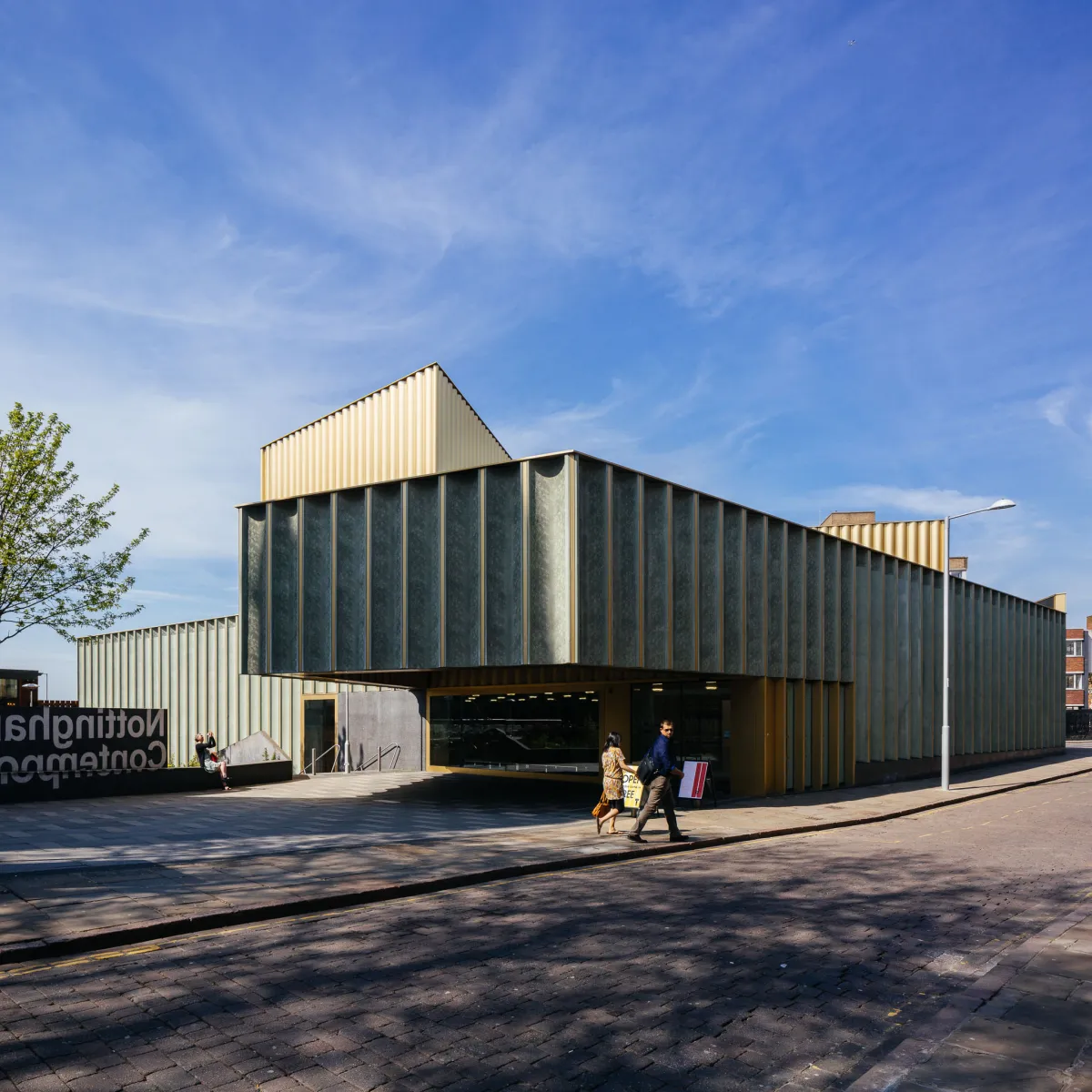 Photo: Nottingham Contemporary, via d3pv3ojoz7l5mn.cloudfront.net
Gallery director Amanda Foster, who organised the exhibition, notes the authentic voice that distinguishes allotment artists from their studio-bound contemporaries. "There's an honesty in work that emerges from actual relationship with land and community," she explains. "In an era of increasing artificiality, collectors are hungry for authentic experience."
This hunger translates into commercial success. Dealers report strong sales for allotment-inspired work, particularly among collectors seeking alternatives to conceptual contemporary art. The demographic includes not only allotment holders themselves but also urban professionals drawn to work that represents values they feel disconnected from in their daily lives.
The Authenticity Premium
What sets allotment art apart in the marketplace is its authentic relationship to British cultural experience. Unlike art that appropriates agricultural imagery for aesthetic effect, work emerging from actual allotment practice carries the weight of lived experience. Collectors can sense the difference between romanticised rural imagery and art created by hands that have actually worked the soil.
This authenticity commands premium prices. Textile artist Joan Crawford, whose plot-inspired weavings sell for £2,000-£6,000, incorporates actual plant materials grown on her Dorset allotment. The work appeals to collectors who appreciate both its visual qualities and its genuine connection to specific British landscapes and communities.
Cultural Significance and Future Growth
The allotment art movement reflects broader cultural shifts toward sustainability, community, and authentic experience. As climate consciousness grows and urban populations seek meaningful connection to natural cycles, allotment-based practice offers compelling alternatives to gallery-centric contemporary art.
The movement's growth potential seems substantial. With over 100,000 people currently on waiting lists for allotment plots across Britain, the cultural significance of these spaces continues expanding. For galleries and collectors willing to look beyond traditional artistic venues, allotments represent rich territory for discovery.
Investment Considerations
From a commercial perspective, allotment art offers several advantages. The work typically demonstrates superior craftsmanship, emerging from practitioners who understand materials through direct experience rather than academic study. Additionally, the cultural resonance of allotment life provides compelling narratives that enhance market appeal.
As Britain grapples with urbanisation, environmental challenges, and community fragmentation, art that emerges from allotment culture speaks to essential human needs for connection, sustainability, and authentic experience. For collectors seeking work that captures something fundamental about contemporary British life, the allotment offers fertile ground indeed.