Industrial Renaissance: Manchester's Cotton Mill Revolution Creates Britain's Next Great Art Quarter
The Mill Awakening
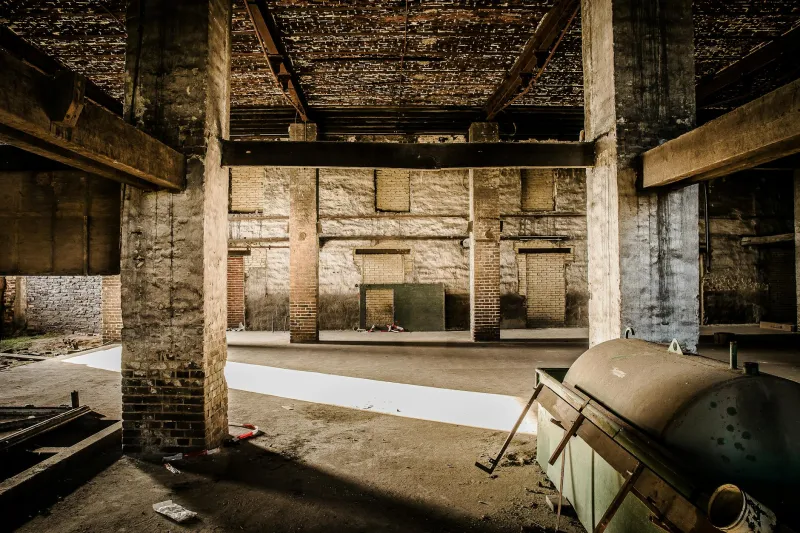
Across the cobbled streets of Ancoats and the brick-lined waterways of Castlefield, a quiet revolution is reshaping Britain's contemporary art landscape. Where cotton once flowed through mechanised looms, paintings now hang from exposed steel beams. The industrial heartland that powered the Empire is experiencing its most significant cultural transformation since the Victorian era.
The numbers tell a compelling story. Property consultancy Knight Frank reports that former industrial spaces converted to artist studios have seen rental increases of 40% over the past three years, yet remain significantly more affordable than comparable London venues. This economic advantage is drawing established artists northward whilst nurturing an entirely new generation of Manchester-based creatives.
Spaces That Sell Art
The Crusader Mill, a Grade II-listed former cotton spinning mill in Ancoats, exemplifies this transformation. What began as emergency studio space during the pandemic has evolved into a thriving creative complex housing forty-three artists across six floors. Director Sarah Chen reports that seventy percent of resident artists have achieved gallery representation within two years of joining the collective.
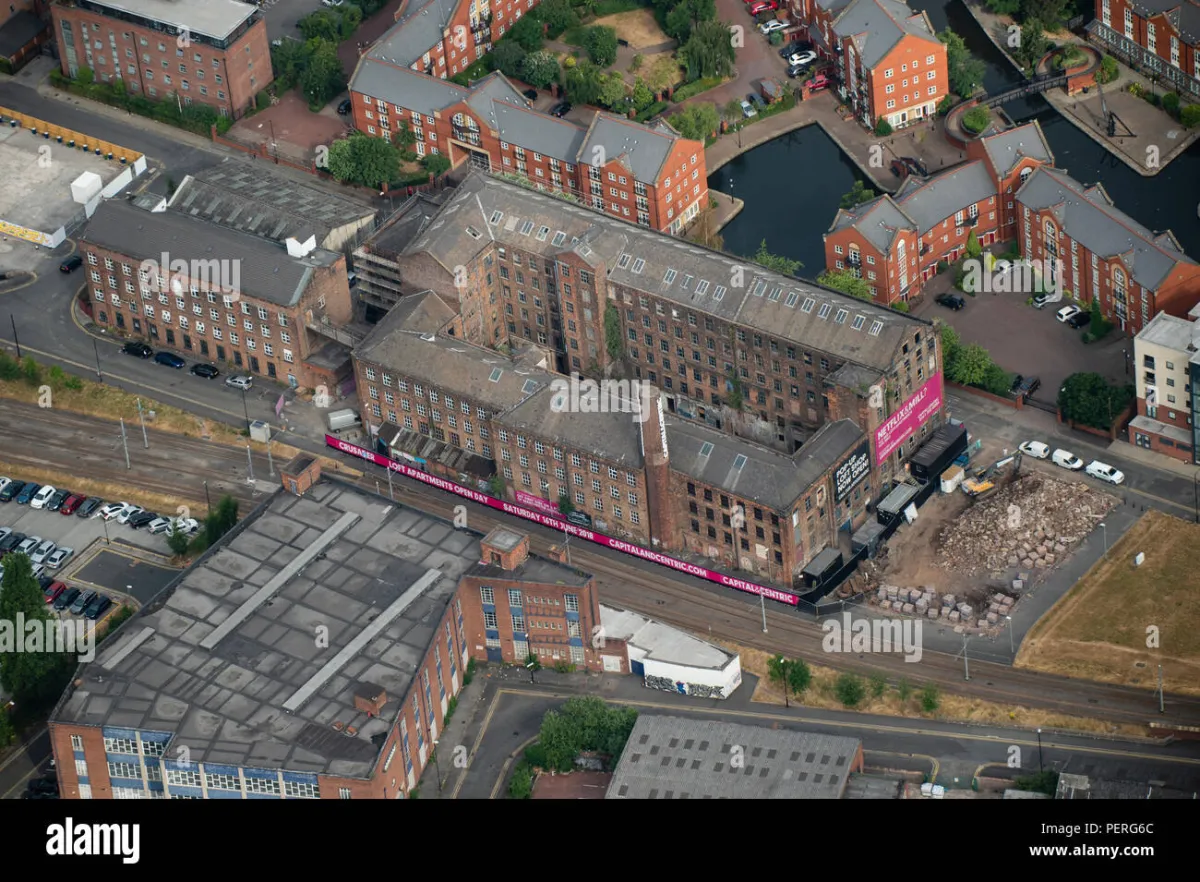 Photo: Crusader Mill, via c8.alamy.com
"The raw authenticity of these spaces creates work that simply couldn't emerge from purpose-built studios," explains Chen. "Collectors are responding to that industrial honesty. We've seen pieces sell directly from studio visits for £15,000 to £45,000 – prices that would have seemed impossible five years ago."
Similarly, the Depot Mayfield, occupying a former railway warehouse, has become Manchester's answer to London's Saatchi Gallery. Since opening in 2022, the venue has hosted twelve major exhibitions, with works selling for record prices at preview events. The space's industrial cathedral-like proportions provide perfect conditions for large-scale contemporary pieces that demand serious wall space.
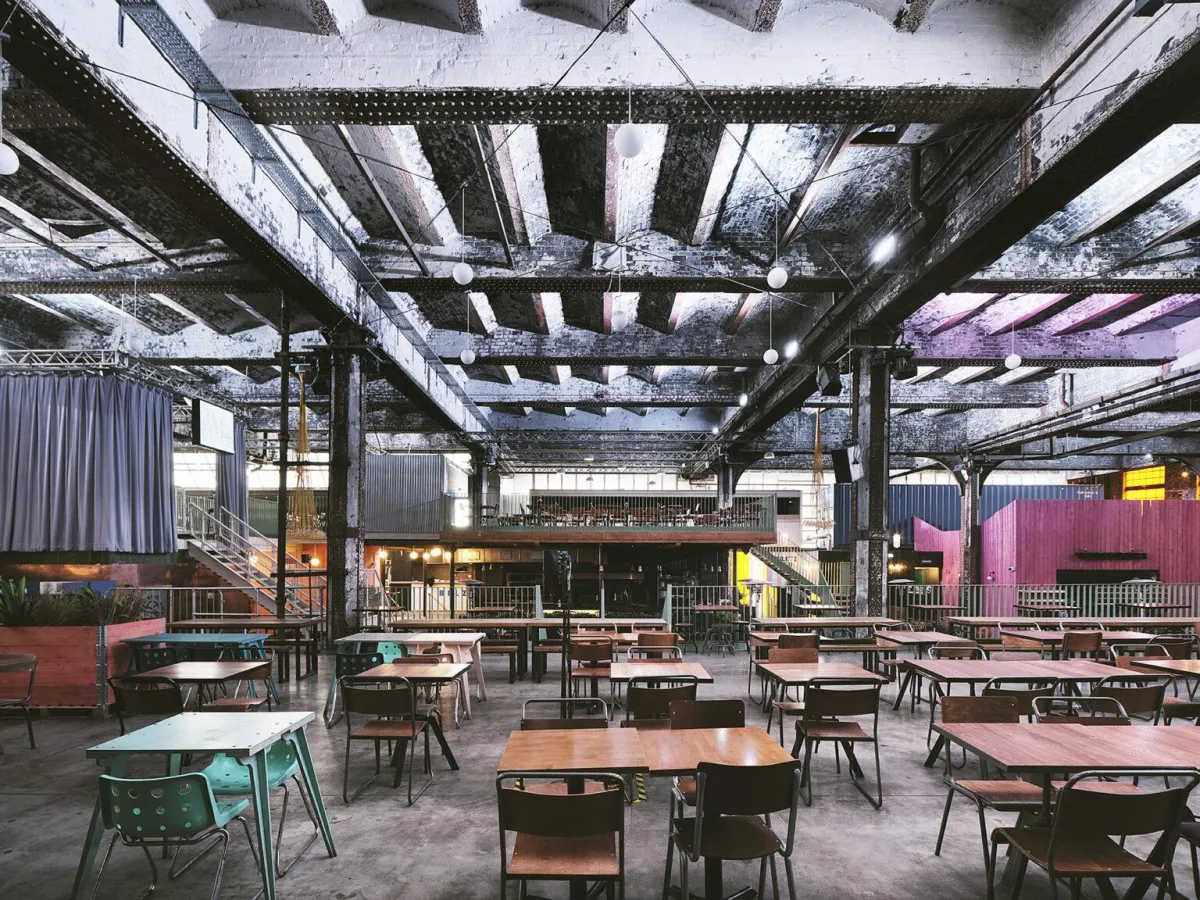 Photo: Depot Mayfield, via spacesstories.com
The Northern Collectors
This cultural shift extends beyond mere geography. Manchester's emerging art scene has attracted a distinct collecting demographic – successful entrepreneurs and professionals who appreciate both artistic merit and investment potential. Unlike London's established collector base, Manchester's art buyers are often first-generation collectors, approaching purchases with fresh perspectives and fewer preconceptions.
Gallery owner Marcus Wright, who relocated his contemporary practice from Mayfair to Manchester's Northern Quarter in 2021, observes a fundamental difference in collector behaviour. "Northern buyers purchase with their hearts whilst keeping their heads. They're building collections, not just acquiring status symbols. The result is more adventurous, more personal collecting patterns."
Wright's gallery has achieved something remarkable – maintaining London pricing whilst operating with significantly reduced overheads. This economic efficiency allows greater artist commission rates and more experimental programming, creating a virtuous cycle that benefits the entire creative ecosystem.
Property Values and Cultural Investment
The art boom is influencing property development across Greater Manchester. Developers are specifically incorporating artist studios into mixed-use developments, recognising that creative communities drive long-term area desirability. The recently completed Circle Square development includes purpose-built studios alongside residential and commercial space, with artist tenancies used as a marketing tool for premium apartment sales.
Local councillor and arts advocate James Morrison notes that cultural investment is becoming a key planning consideration. "We're seeing developers include art space provision in planning applications because they understand it adds genuine value. It's not tokenistic – it's strategic economic development."
This institutional recognition extends to major cultural investment. The Whitworth Gallery's expansion programme specifically includes partnerships with mill-based artist collectives, whilst Manchester Art Gallery has established an annual acquisition fund dedicated to works created within the city's industrial studio spaces.
The London Factor
Perhaps most significantly, London galleries are establishing Manchester outposts. Hauser & Wirth's planned Castlefield space, opening in 2024, represents a seismic shift in how major international galleries view regional British markets. The gallery's co-founder Iwan Wirth describes Manchester as "an essential creative ecosystem that London can learn from rather than simply export to".
This institutional validation is attracting international collector attention. Recent studio visits have included collectors from New York, Hong Kong, and Berlin, drawn by social media documentation of Manchester's raw creative energy. The result is a growing international market for Manchester-made contemporary art.
Future Foundations
The transformation appears sustainable rather than speculative. Unlike previous cultural regeneration projects that relied heavily on public funding, Manchester's art quarter evolution is driven by genuine market demand and creative necessity. Artists are choosing Manchester not as a compromise, but as a positive creative decision.
The city's industrial heritage provides unlimited space for large-scale work, whilst its entrepreneurial culture offers commercial opportunities often unavailable in London's saturated market. Combined with significantly lower living costs, these factors create conditions for sustained artistic development rather than temporary creative tourism.
As one collector recently noted whilst purchasing a £25,000 sculpture directly from an Ancoats studio, "This feels like London did twenty years ago, except the artists can actually afford to live here." That economic reality may prove the foundation for Britain's most important regional art market since the war.