After Hours: Why Britain's Moonlit Art Movement Commands Premium Prices
The Darkness Visible
Britain's contemporary art scene is experiencing an unexpected phenomenon: collectors are gravitating toward works created in, and depicting, darkness. Nocturnal landscapes, moonlit seascapes, and illuminated urban scenes are commanding prices that reflect more than aesthetic appreciation—they represent a cultural moment where shadows speak louder than sunshine.
This shift toward night-time imagery marks a decisive departure from the bright, maximalist aesthetic that dominated British interiors throughout the previous decade. Where collectors once prioritised vibrant colours and optimistic compositions, today's buyers seek works that acknowledge complexity, uncertainty, and the beauty found in darker moments.
Cultural Mood as Market Driver
The appeal of nocturnal art extends beyond simple aesthetic preference to encompass broader cultural resonances. Recent years have challenged British society in unprecedented ways, from political upheaval to global pandemic effects. Art buyers are responding by selecting works that acknowledge these complexities rather than avoiding them.
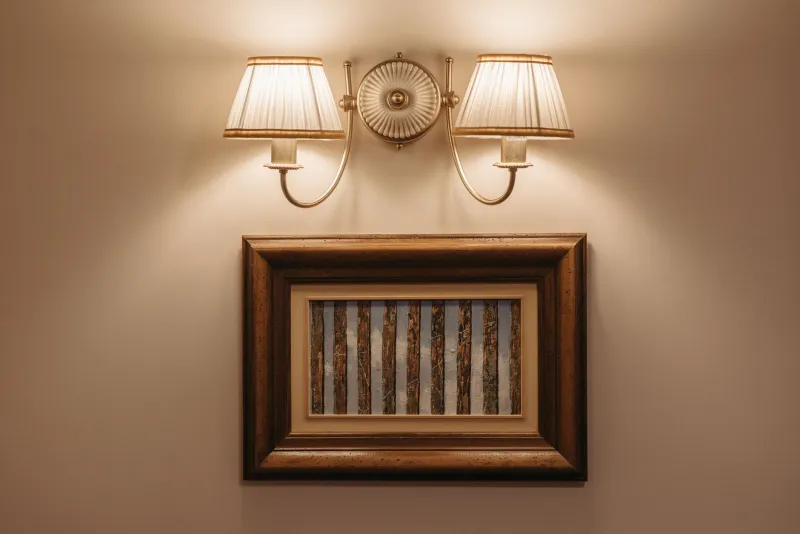
Cornish artist Rebecca Winters exemplifies this trend through her series of moonlit coastal paintings. Her work captures the dramatic interplay between artificial lighting and natural darkness along Britain's shorelines, creating compositions that feel both beautiful and melancholic. Winters' paintings regularly sell for £8,000-£18,000, with collectors specifically citing their emotional resonance.
 Photo: Rebecca Winters, via m.media-amazon.com
"People want art that reflects their actual experience rather than aspirational fantasy," Winters observes. "My nocturnal pieces acknowledge that life contains darkness while finding beauty within those moments."
Technical Mastery in Challenging Conditions
Creating compelling nocturnal art requires technical skills that many contemporary painters have not developed. Working in low light conditions, whether outdoors or from memory and studies, demands sophisticated understanding of colour temperature, artificial light sources, and atmospheric effects.
Yorkshire painter Michael Hartwell has built his reputation specifically around night painting techniques. His process involves extensive daytime preparation—studying locations, understanding light sources, and creating detailed compositional sketches—followed by nocturnal sessions where he captures specific atmospheric conditions.
Hartwell's paintings of illuminated industrial landscapes achieve remarkable technical sophistication while addressing themes of contemporary British identity. His recent exhibition sold completely before opening, with works priced between £12,000-£35,000. Collectors appreciate both the technical achievement and conceptual depth these pieces represent.
Urban Nocturnes and Metropolitan Life
London's night-time energy provides rich source material for artists exploring urban themes after dark. The interplay between street lighting, neon signage, and architectural forms creates visual complexity that appeals to collectors familiar with metropolitan life.
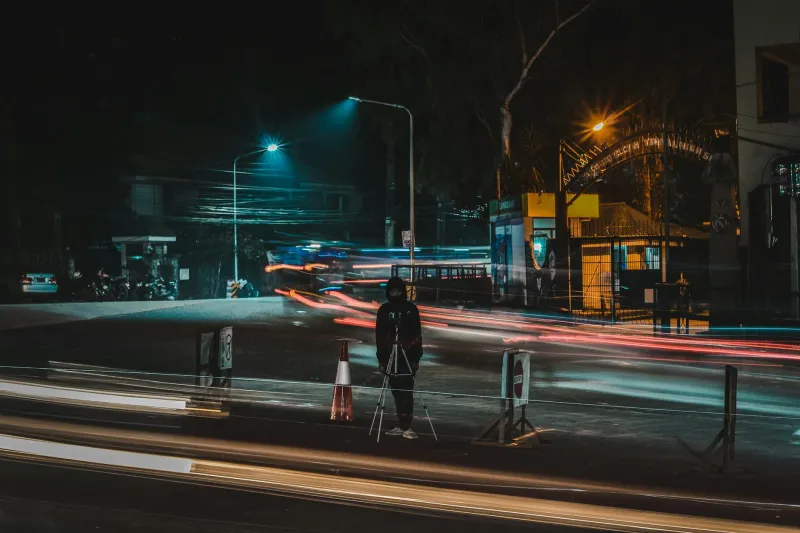
Artist Sarah Chen has developed a distinctive approach to painting London's 24-hour culture. Her canvases capture late-night tube stations, illuminated shop fronts, and the peculiar beauty of empty city streets. Chen's work appeals particularly to younger collectors who recognise their own urban experiences reflected in her compositions.
 Photo: Sarah Chen, via media.karousell.com
Chen's pricing has risen dramatically as demand increased—recent works command £6,000-£15,000, representing significant appreciation from her initial sales three years ago. Gallery owner David Morrison notes that Chen's nocturnal urban scenes sell faster than any other work in his programme.
"Urban collectors connect immediately with these images," Morrison explains. "They see their own lives reflected in ways that traditional landscape painting cannot provide."
The Psychology of Collecting Dark Art
Art psychologists note that collector preferences often reflect broader cultural anxieties and aspirations. The current preference for nocturnal imagery suggests buyers seek art that acknowledges complexity rather than offering simple optimism.
Dr. Elizabeth Hartwell, who studies art collecting behaviour, observes: "Collectors are choosing works that validate their emotional experiences rather than contradicting them. Nocturnal art provides permission to acknowledge difficulty while finding aesthetic beauty within challenging circumstances."
This psychological dynamic influences pricing as collectors assign premium value to works that provide emotional resonance alongside aesthetic pleasure. The most successful nocturnal artists create pieces that function as both beautiful objects and emotional mirrors.
Regional Variations in Night Painting
Britain's diverse landscapes offer varied opportunities for nocturnal art creation. Scottish Highlands provide dramatic contrasts between artificial lighting and vast dark skies, while Welsh valleys offer intimate scales where industrial lighting creates unexpected beauty.
Highlands painter James MacPherson has developed an international reputation for his large-scale nocturnal mountain landscapes. His works capture the aurora borealis and moonlit snow fields with technical precision that attracts collectors worldwide. MacPherson's paintings achieve £20,000-£45,000, placing him among Britain's most commercially successful landscape painters.
Similarly, Welsh artist Cerys Williams documents post-industrial valleys where modern lighting intersects with traditional landscapes. Her work appeals to collectors interested in contemporary British identity and the ongoing negotiation between industrial heritage and natural environment.
Market Dynamics and Price Development
The nocturnal art market demonstrates strong fundamentals across multiple price segments. Emerging artists working in this genre typically price initial works between £2,000-£6,000, while established practitioners command £8,000-£30,000 for significant pieces.
Galleries report consistent sales in this category, with many nocturnal artists developing waiting lists for new work. This demand reflects both aesthetic appeal and the relative scarcity of high-quality night paintings—the technical challenges involved naturally limit supply.
Collection development in this area offers several advantages for buyers. The thematic coherence of nocturnal works enables focused collecting strategies while the range of approaches—from urban scenes to rural landscapes—provides acquisition variety within defined parameters.
Seasonal Collecting Patterns
Interestingly, nocturnal art sales peak during autumn and winter months when buyers' moods align more closely with darker imagery. This seasonal pattern creates acquisition opportunities for collectors willing to purchase during off-peak periods.
Galleries have adapted by scheduling nocturnal art exhibitions during appropriate seasons while using summer months to build inventory and develop new artists working in this genre.
Investment Perspectives
From investment standpoints, nocturnal art offers several compelling characteristics. The technical skill required creates natural barriers to entry that limit artist supply, while growing collector interest supports price appreciation.
The thematic relevance to contemporary cultural mood suggests sustained demand rather than temporary fashion. As British society continues navigating complex challenges, art that acknowledges these difficulties while finding beauty within them maintains strong emotional resonance.
Future Market Development
Several factors suggest continued growth in nocturnal art's market position. Climate change concerns make night-time imagery increasingly relevant as extreme weather events often occur in darkness. Urban development continues creating new sources of artificial lighting that provide artistic inspiration.
Younger collectors, particularly those in urban areas, demonstrate strong affinity for nocturnal themes that reflect their lived experiences. This demographic trend supports long-term market development as collecting preferences evolve.
For collectors considering nocturnal art acquisitions, current market conditions present excellent opportunities. The genre's growing recognition has not yet reached full price potential, while artist quality continues improving as more practitioners develop night painting expertise.
The combination of technical achievement, emotional resonance, and cultural relevance makes nocturnal British art particularly compelling for collectors seeking works that function as both aesthetic objects and meaningful cultural documents. As darkness continues inspiring Britain's most thoughtful artists, collectors who recognise this trend's significance position themselves advantageously within an evolving and increasingly sophisticated market segment.