Wedding Bells and Wall Art: Britain's Event Venues Transform Into Contemporary Art Powerhouses
The Unexpected Art Renaissance in Britain's Wedding Industry
Across the rolling hills of the Cotswolds and the industrial heritage sites of Manchester, an unlikely revolution is taking place. Britain's independent wedding venues are quietly becoming some of the most significant purchasers of contemporary British art, transforming both the events industry and the careers of countless artists.
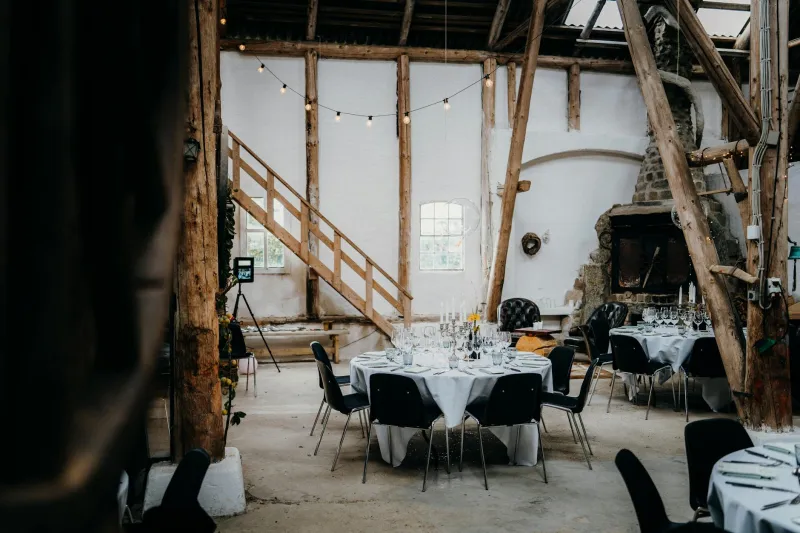
This phenomenon extends far beyond the occasional landscape painting in a country house foyer. Venues like The Normans in York have invested over £150,000 in original contemporary works, whilst Fazeley Studios in Birmingham has transformed its industrial spaces with rotating exhibitions that change seasonally.
 Photo: Fazeley Studios, via i5.walmartimages.com
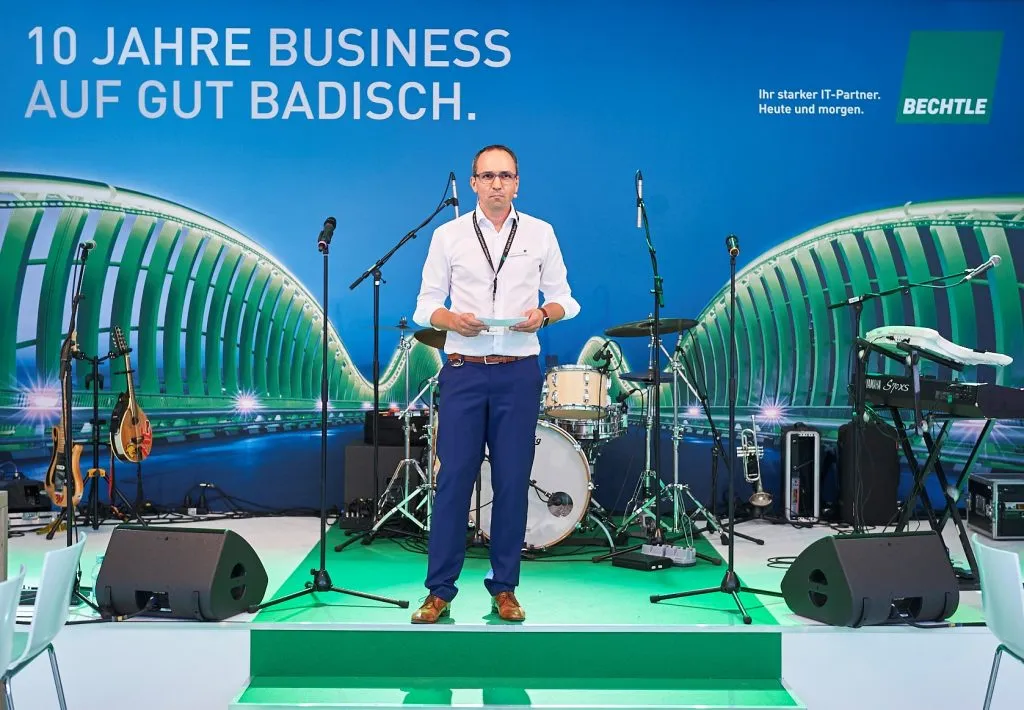 Photo: The Normans, via www.spektakelmanufaktur.gmbh
Beyond Decoration: The Economics of Emotional Backdrops
The driving force behind this trend isn't aesthetic appreciation alone—it's pure business acumen. Wedding photography has evolved into a sophisticated industry where couples expect Instagram-worthy backdrops that justify their substantial investments. Generic hotel chains simply cannot compete with venues offering original, conversation-starting artwork.
"Couples don't just book a space anymore," explains Sarah Mitchell, owner of Hornington Manor near Bath. "They're curating an experience. When a bride sees a striking contemporary piece that perfectly complements her vision, price becomes secondary."
The financial impact on participating artists has been transformative. Mid-career painters who previously struggled to sell two or three pieces annually are now securing venue commissions worth £5,000 to £25,000 per installation. Unlike traditional gallery sales, these purchases often include maintenance contracts and periodic refresh agreements, creating ongoing revenue streams.
The Curation Strategy: Balancing Commerce and Culture
Successful venue owners approach art acquisition with sophisticated strategies that would impress seasoned collectors. Many have established relationships with regional art consultants who understand both the commercial requirements of the wedding industry and the contemporary British art scene.
The selection criteria reflect this dual focus: pieces must photograph beautifully under various lighting conditions, complement rather than compete with floral arrangements, and maintain broad appeal across different demographic groups. Yet within these constraints, venues are commissioning genuinely challenging contemporary work.
Take Hendall Manor Barns in Sussex, which recently commissioned a series of large-scale abstract pieces from Hastings-based artist James Crawford. The venue's investment of £18,000 has already generated measurable returns through increased booking rates and premium pricing for their signature ceremony space.
 Photo: Hendall Manor Barns, via www.nickiswift.com
Regional Impact: From Cornwall to the Highlands
This trend has created unexpected opportunities for artists working outside London's traditional art circuit. Scottish Highlands venues are commissioning contemporary interpretations of landscape themes, whilst former industrial sites in the North are showcasing urban-inspired works that celebrate their heritage.
The geographic distribution of these opportunities has proven particularly beneficial for artists who choose to remain in their home regions rather than relocating to major art centres. Cornwall-based sculptor Emma Thompson has secured three major venue commissions in the past eighteen months, each worth more than her previous annual gallery sales combined.
The Collector Connection: From Wedding Guest to Art Patron
Perhaps most significantly, these venues are creating new pathways into art collecting for demographics traditionally excluded from gallery spaces. Wedding guests, relaxed and celebratory, often encounter contemporary art in these settings without the intimidation factor of formal exhibition spaces.
Venue owners report regular inquiries from wedding parties about purchasing similar pieces or commissioning work from featured artists. This phenomenon has created an entirely new category of art buyer: the emotionally invested collector who associates particular pieces with significant personal moments.
Investment Strategies and Long-term Vision
Forward-thinking venue owners are approaching art acquisition as serious investment strategies. Many commission pieces with resale potential in mind, working with artists whose careers show upward trajectory. The dual benefit of enhancing their venue's appeal whilst building valuable collections has attracted attention from business advisors and accountants specialising in the hospitality sector.
The tax implications are equally attractive. Original artworks purchased for business premises qualify for various allowances under HMRC guidelines, making these investments financially attractive beyond their aesthetic and commercial benefits.
Challenges and Evolution
This marriage of commerce and culture isn't without complexities. Venues must balance artistic integrity with the practical demands of hosting celebrations. Insurance considerations, security protocols, and the inevitable wear-and-tear of event spaces all influence acquisition decisions.
Yet the momentum continues building. Industry publications report that venues featuring significant contemporary art collections command average premiums of 15-20% over comparable spaces with conventional décor.
The Future of Venue-Based Art Patronage
As this trend matures, its impact on Britain's contemporary art ecosystem becomes increasingly apparent. Wedding venues are functioning as alternative galleries, creating sustainable income streams for artists whilst introducing art to audiences who might never step foot in traditional exhibition spaces.
For British artists seeking commercial viability outside the conventional gallery system, the wedding venue circuit represents an unexpected but increasingly viable pathway to professional success. The combination of substantial commissions, ongoing relationships, and exposure to new collecting demographics suggests this trend will continue reshaping both the events industry and the contemporary art market for years to come.