Ten Pounds and a Dream: Five Low-Cost Routes Into Original British Art — Ranked Honestly
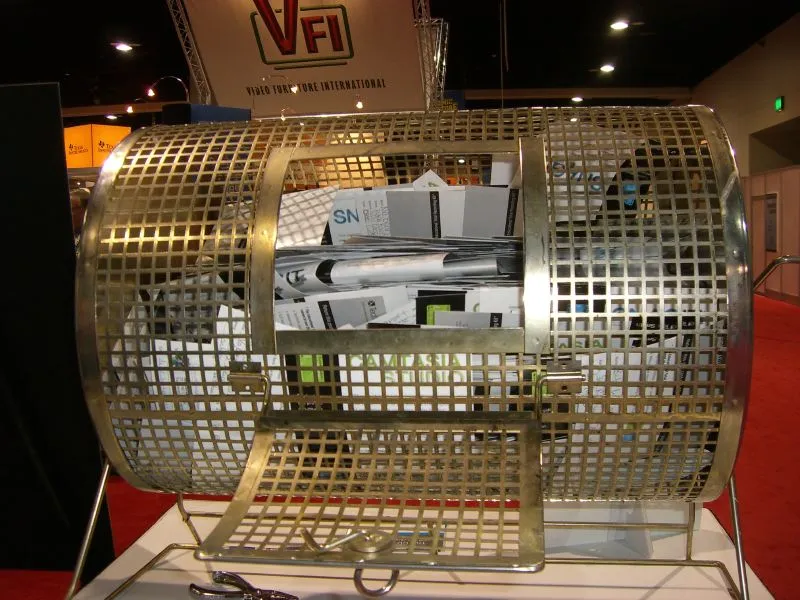
Photo: Betsy Weber, CC BY 2.0, via Wikimedia Commons
The idea that original art requires a private income is under sustained assault from an unlikely quarter: the raffle ticket, the mystery box and the ten-pound lottery. A wave of low-barrier schemes now invites first-time buyers to acquire original British work for the price of a round of drinks. Some are genuinely transformative. Others are, to put it kindly, marketing dressed as philanthropy. Here are five models, assessed.
1. The Charity Art Raffle
The granddaddy of democratic art distribution. Schools, hospices and community groups solicit donated works — sometimes from significant names — and sell tickets at modest prices. When the donations are genuine and the artists properly credited, this is access at its finest: a lucky winner acquires an original for a fiver, and the artist gains an audience. When the donations are unsold stock of dubious provenance, the model curdles. Verdict: excellent when honest.
2. The Mystery Art Box
Pay a fixed sum, receive a surprise original or print, selected by the seller. The best operators — several small British collectives run them seasonally — curate carefully, matching rough value to price and introducing buyers to artists they would never have found. The worst simply clear the unsellable. The difference, buyers report, is whether the box feels like a gift or a bin. Verdict: promising, dependent entirely on curation.
3. The Community Art Lottery
A growing number of regional schemes sell £10 tickets, with proceeds split between the artist, the organising venue and a local cause, and a winning ticket drawn for the work itself. The model has a pleasing circularity: the artist is paid regardless, the venue builds an audience, and the winner acquires a story as much as a canvas. Verdict: perhaps the fairest structure of all.
4. Pay-Monthly Ownership Schemes
Installment plans — interest-free spreading of a £400 painting across twelve months — are less glamorous but arguably more consequential. They convert the hesitant browser into a committed owner, and emerging painters report that monthly schemes account for a meaningful share of their direct sales. Verdict: unglamorous, quietly effective.
5. The 'Secret' Flash Sale
Invitation-only email sales offering works at steep discounts. Efficient for sellers, occasionally thrilling for buyers — but the perpetual discount erodes an artist's pricing integrity, and collectors learn to wait. Verdict: handle with care.
The Deeper Question
Organisers of the legitimate schemes make a consistent point: low cost is not the same as low value. The raffle winner who frames their prize, follows the artist and buys again at full price is the entire point of the exercise. The schemes that fail are those that treat art as clearance stock. The ones that succeed — and there are more of them each year — understand that ten pounds does not buy a cheap painting. It buys a first collector.