Backdrop to Breakthrough: How Britain's Online Creators Are Minting a New Generation of Art Collectors
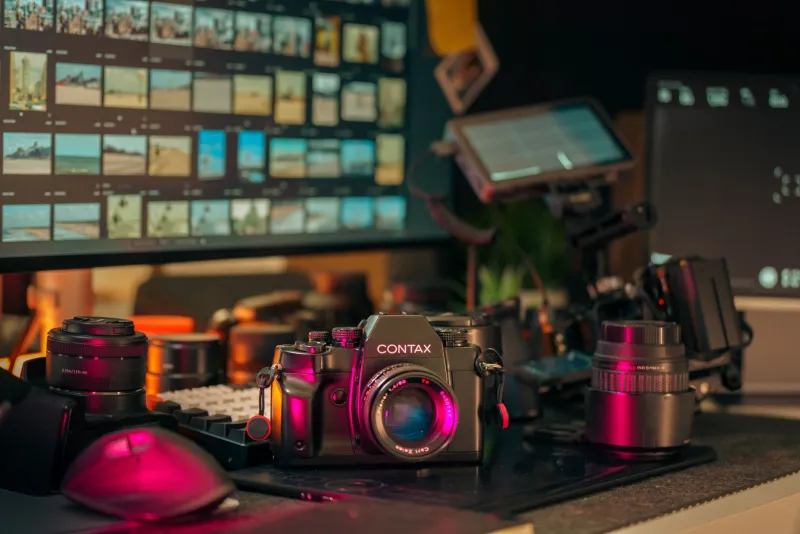
There is a painting visible in approximately forty seconds of a popular British YouTuber's most recent upload. It occupies the upper left quadrant of the frame, partially obscured by a ring light, its colours warm against the exposed brick of a rented studio in East London. The creator does not mention it. The video is about productivity software. And yet, in the comments section beneath the video, seven people have asked what the painting is and where they might buy something similar.
This is the new geography of art discovery in Britain—not the gallery opening, not the auction preview, but the incidental background of a screen that someone is already watching for an entirely different reason.
The Aesthetic Economy of the Creator Space
The physical environment in which a content creator films has become, over the past several years, a form of personal branding as deliberate and considered as any other aspect of their output. Bookshelves are curated, plants are positioned, and—with increasing frequency—art is selected not merely as decoration but as a statement of identity, taste, and cultural seriousness.
For British creators operating across YouTube, TikTok, Twitch, and Instagram, the art on their walls functions as a form of visual shorthand. A limited-edition screen print by a recognisable British illustrator signals one kind of sensibility; a large-format oil painting by an emerging figurative painter signals another. These choices are read by audiences with considerable acuity, and they carry commercial weight that the art market is only beginning to account for.
The phenomenon has acquired its own vocabulary. 'Backdrop art'—work purchased or commissioned specifically for its visual impact within a filmed space—is now a recognised category of acquisition among creators with substantial followings. Artists who understand this context are beginning to position their work accordingly, considering not only how a piece looks on a gallery wall but how it reads compressed into a video frame, on a monitor, viewed at varying scales by audiences whose primary relationship with image-making is digital.
From Viewer to Collector: The Conversion Pipeline
The journey from casual viewer to art collector has traditionally been long, involving multiple points of cultural initiation—gallery visits, art education, sustained exposure to collecting environments—that are unevenly distributed across British society. What digital creator culture offers is a radical compression of that journey, particularly for younger audiences who have grown up consuming content rather than attending exhibitions.
When a creator with three hundred thousand subscribers mentions, even in passing, that the print behind them is by a particular British artist and cost a specific amount, the effect on that artist's traffic and sales can be immediate and dramatic. Several emerging painters and printmakers represented through platforms such as Gallery Top have reported spikes in profile visits and enquiries directly traceable to creator mentions—spikes that, in some cases, have translated into sold-out editions within hours.
This is not simply influencer marketing by another name. The most effective creator-driven art discovery tends to be organic rather than transactional. Audiences are sophisticated enough to distinguish between a paid promotion and a genuine aesthetic choice, and they respond accordingly. A creator who has clearly lived with a piece of art—who references it across multiple videos, who speaks about it with the particular familiarity of someone who sees it every day—generates a very different kind of collector interest from one who displays it once and never mentions it again.
Studio Tours and the Demystification of the Artist
If backdrop art represents one strand of creator-driven collecting, studio tour content represents another, and in some respects a more transformative one. A growing number of British artists are collaborating with creators—or building their own channels—to offer audiences direct access to the working studio: the materials in use, the works in progress, the physical and intellectual processes through which a painting comes into being.
This content performs a function that conventional gallery communication has rarely managed: it humanises the artist and demystifies the making of art in ways that genuinely lower the psychological barriers to collecting. A viewer who has watched an artist mix paint, wrestle with a composition, and reflect on what they are trying to say feels, by the end of the video, that they know something real about that person. Purchasing their work becomes not an abstract cultural transaction but an act of connection.
The commercial implications are significant. Artists who have built audiences through studio content report that their collectors are markedly more engaged than those acquired through conventional channels—more likely to return for subsequent purchases, more likely to recommend the artist to others, and more likely to regard themselves as participants in an ongoing creative relationship rather than simply owners of an object.
The Question of Taste and Its Formation
Critics of creator-driven art collecting sometimes raise concerns about the quality of aesthetic judgment being exercised. If a painting is chosen primarily because it looks well on screen—because its colours complement a particular palette, or because its scale fills a frame effectively—is the resulting collection genuinely curated, or merely styled?
The question is worth taking seriously, but it may rest on a false distinction. The history of British collecting is full of purchases made for reasons that had as much to do with social context and personal circumstance as with pure aesthetic discernment. A painting bought because it looks well in a filmed space is not obviously less considered than one bought because it matched a sofa, or because a friend recommended the artist, or because the price felt right at an auction preview.
What matters, ultimately, is whether the work holds the collector's attention once the camera is off—whether it continues to reward looking when there is no audience for the looking. Artists and those who work with them are increasingly attentive to this question, understanding that the most durable collecting relationships are those that survive the transition from screen to wall.
Building Fanbases That Buy
For emerging British artists navigating a market that remains, in many respects, structurally biased towards those with gallery connections and institutional support, the creator economy offers something genuinely new: a mechanism for building an audience that is personal, direct, and commercially viable without the mediation of traditional gatekeepers.
The artists who are doing this most effectively understand that they are not simply making art and then marketing it. They are building a body of work and a body of viewers simultaneously, allowing each to inform the other. Their collectors are not strangers who have encountered a name in a catalogue; they are people who have followed a practice across months or years, who feel invested in its development, and who buy—when they buy—with the particular confidence of those who know what they are choosing and why.
This is, in its way, a very old model of artistic patronage, translated into the vernacular of the twenty-first century. The medium is new. The human dynamic at its heart is not.