Still Waters, Rising Prices: The Lido Renaissance Fuelling Britain's Aquatic Art Scene
Still Waters, Rising Prices: The Lido Renaissance Fuelling Britain's Aquatic Art Scene
Brockwell Lido in south London opens its gates on a June morning, and within the hour the water is alive with swimmers. Regulars perform their lengths with the quiet intensity of devotees. Spectators settle on the surrounding grass, coffee in hand. And somewhere at the perimeter, a painter has already set up an easel.
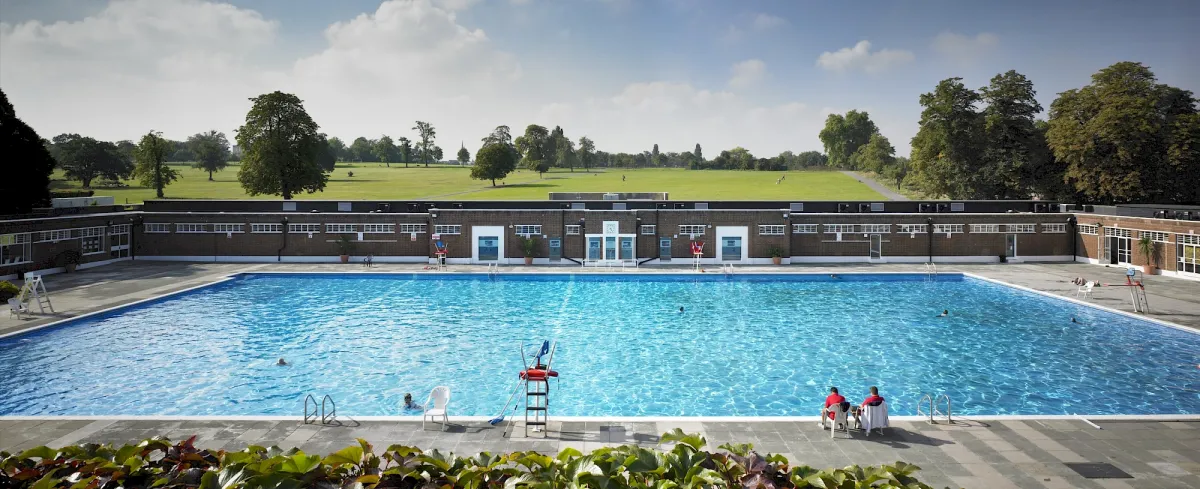 Photo: Brockwell Lido, via www.pollardthomasedwards.co.uk
This scene — increasingly familiar at outdoor pools from Hathersage in the Peak District to Penzance's Jubilee Pool — encapsulates a cultural shift that has been building for a decade. Britain's lido renaissance, driven by restoration projects, improved water quality in rivers and reservoirs, and a post-pandemic appetite for outdoor leisure, has quietly generated a dedicated artistic movement. The artists who have positioned themselves at its centre are now commanding prices that would have seemed improbable just a few years ago.
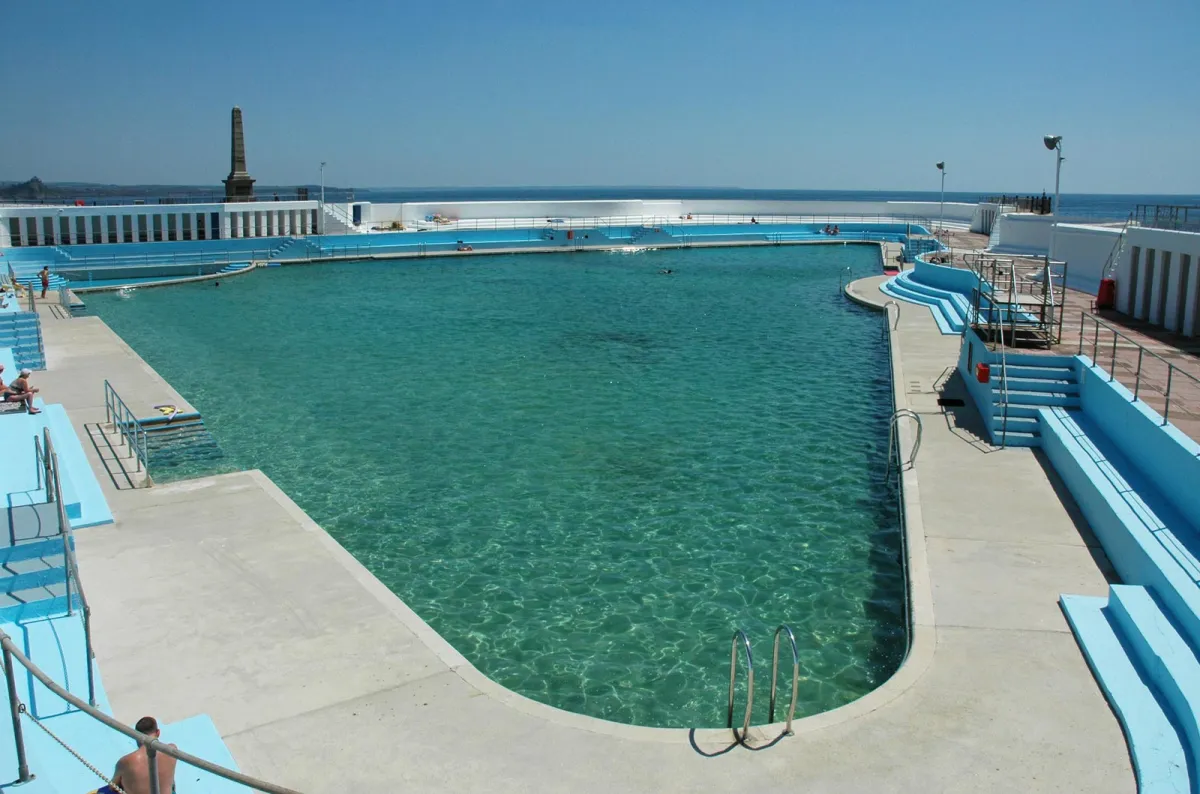 Photo: Penzance's Jubilee Pool, via www.cornwalls.co.uk
A Community Built Around Water
The outdoor swimming movement is not simply a fitness trend. For many of its participants, it carries the weight of ritual, community, and a particular relationship with the British landscape that is both defiant and tender. It is, in short, exactly the kind of lived experience that produces committed collectors.
Art buyers who swim regularly at their local lido or wild swimming spot tend to seek work that reflects that experience with honesty and craft. They are not looking for generic water scenes. They want the specific quality of light at seven o'clock on a September morning, the geometry of a Victorian diving board, the particular blue-green of a chalk-stream pool. This specificity is precisely what is driving prices upward.
Galleries in towns with significant lido culture — Cheltenham, Bristol, Leeds — have reported a marked increase in interest from buyers seeking aquatic work tied to recognisable local settings. Regional art fairs near popular wild swimming destinations consistently see strong sales in this category, with original oils and limited-edition prints of poolside scenes among the fastest-moving works on the floor.
Artists Finding Their Audience
For painters working in this space, the opportunity lies in proximity and community. Artists who swim themselves — or who have immersed themselves in the social world of their local pool — bring an authenticity to the work that buyers can sense immediately.
Several artists currently making a significant mark in this area have spoken about the importance of developing a recognisable relationship with a specific body of water. Rather than moving from location to location in search of variety, they return again and again to the same pool or river, building a body of work that charts seasonal change, shifting light conditions, and the evolving rhythms of the community that gathers there.
This approach serves the commercial dimension of the work remarkably well. A collector who swims at Tooting Bec Lido every weekend does not want a generalised impression of outdoor swimming. They want the particular red and white of those changing cubicles, the familiar silhouette of that water tower beyond the pool's edge. Artists who understand this are building loyal collector bases through social media, local exhibitions, and direct studio sales — often without requiring the support of a commercial gallery at all.
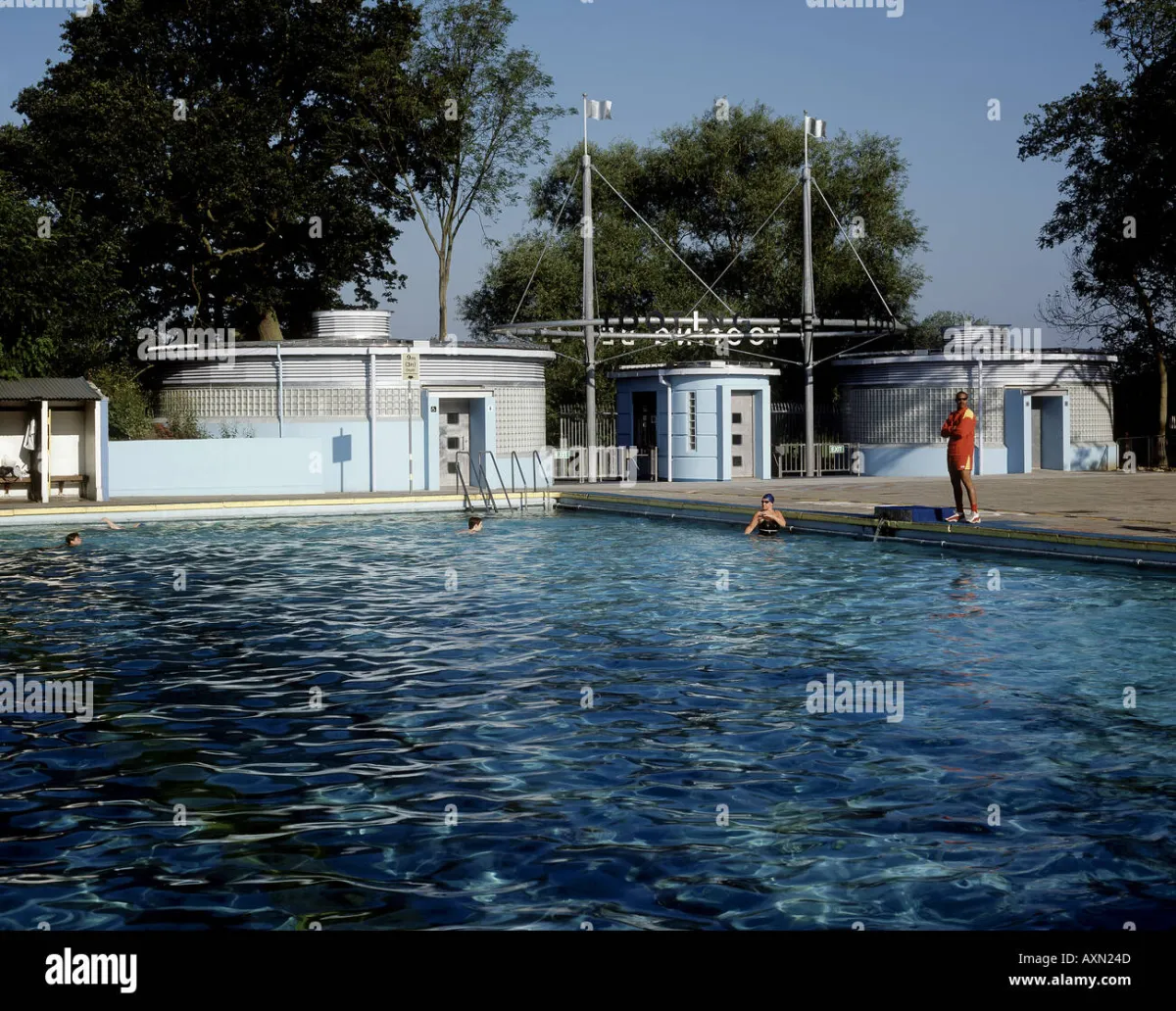 Photo: Tooting Bec Lido, via c8.alamy.com
The Plein Air Dimension
The lido movement has also reinvigorated interest in plein air painting more broadly. Working outdoors in public spaces carries practical challenges — changing light, unpredictable weather, curious onlookers — but it also creates a performance of artistic process that draws attention and builds reputation organically.
Several painters have reported that completing work poolside leads directly to sales enquiries from fellow swimmers and spectators. The act of painting in public, at a location that holds emotional significance for those who witness it, collapses the distance between artist and collector in a way that gallery exhibitions rarely achieve.
This direct relationship has practical implications for pricing. When a buyer has watched a work come into being in a place they love, they are not simply purchasing a painting. They are acquiring a connection to an experience, a memory, a community. That emotional charge supports premium pricing in a way that is difficult to replicate through conventional gallery channels.
Prints, Editions, and the Accessible End of the Market
Not all aquatic art is sold at the top of the market. The lido community is broad and socially diverse, and many artists working in this area have developed intelligent edition strategies that allow them to serve multiple price points simultaneously.
Limited-edition prints of popular works — particularly those depicting well-loved pools with strong local followings — have proven highly effective as entry-level products. These editions introduce new collectors to an artist's practice, frequently leading to original purchases further down the line. Online platforms have been particularly effective in this regard, enabling artists to reach the national outdoor swimming community rather than relying solely on buyers who happen to visit a local gallery.
The growth of outdoor swimming clubs and lido membership organisations has also created institutional buying opportunities. Clubs commissioning original works for clubhouses, reception areas, and digital communications represent a meaningful revenue stream for artists willing to develop relationships with these organisations.
What Collectors Should Know
For buyers entering this market, a degree of discernment is warranted. The commercial appeal of aquatic subjects has attracted artists of widely varying quality, and not all work in this space merits the prices being asked. The strongest investments tend to be in artists who demonstrate a sustained, coherent engagement with their chosen body of water — those whose practice reflects genuine knowledge of their subject rather than opportunistic engagement with a fashionable theme.
Original works on board or canvas, particularly those with plein air credentials and a demonstrable exhibition history, represent the most robust acquisitions. Buyers should look for artists who are building a recognisable identity in the regional art community, exhibiting consistently, and developing a collector base that extends beyond a single location.
Britain's lido renaissance shows no sign of abating. If anything, continued investment in pool restoration and the growing infrastructure around wild swimming suggest that the outdoor swimming community will only expand in the years ahead. For artists and collectors alike, the tide is running in one direction.