Prize Pigs and Prized Paintings: The Agricultural Fair Revolution Transforming British Art Careers
Beyond the Flower Tent
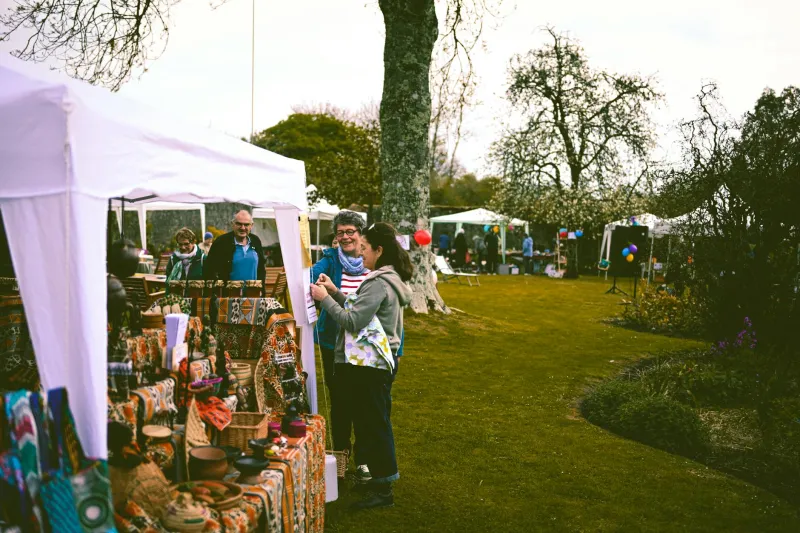
The Great Yorkshire Show might be famous for its prize-winning cattle and competitive baking, but tucked between the agricultural machinery displays and craft beer tent, something remarkable is happening. In marquees originally intended for amateur hobbyists, a new generation of professional British artists is building serious collecting audiences—one village show at a time.
 Photo: Great Yorkshire Show, via image.jimcdn.com
Last summer, landscape painter Jenny Morrison sold £12,000 worth of original oils from her modest stand at the Westmorland County Show. The Cumbrian artist, who struggled for years to gain gallery representation, discovered that agricultural fair visitors approach art with refreshing directness. "They're not looking for investment pieces or fashionable names," Morrison explains. "They see something they love, and they buy it."
The Authenticity Advantage
County shows and agricultural fairs create a unique environment for art sales that commercial galleries struggle to replicate. The absence of pretension, combined with the community atmosphere, removes many psychological barriers that prevent people from purchasing original work.
Dr. Sarah Whitfield, who studies rural cultural economics at Aberystwyth University, identifies several factors that make these venues particularly effective for emerging artists. "Agricultural fairs attract visitors who are comfortable making purchasing decisions based on personal taste rather than external validation," she explains. "They're used to evaluating quality through direct observation—skills that translate perfectly to art appreciation."
The demographic proves particularly valuable for British artists. County show visitors typically possess the disposable income to purchase original work but lack the intimidation factor that prevents many gallery visits. They're also more likely to buy work that reflects their regional identity and values.
Regional Success Stories
Across Britain's agricultural calendar, artists are discovering that county shows offer advantages beyond simple sales opportunities. The Royal Highland Show in Edinburgh now features over fifty professional artists alongside traditional craft demonstrations, whilst the Royal Welsh Show has become a significant platform for contemporary Welsh talent.
 Photo: Royal Welsh Show, via www.lawod.com
 Photo: Royal Highland Show, via www.myperfumeshop.com.au
Sculptor Mark Davidson credits the Three Counties Show in Malvern with launching his career. Over five years of participation, Davidson built a collector base that now spans internationally. "My first buyers were farmers and rural business owners," he recalls. "They appreciated craftsmanship and weren't swayed by art world fashion. Those early supporters became my foundation."
The ripple effects extend far beyond individual sales. Davidson's agricultural fair collectors have introduced his work to urban galleries, auction houses, and international buyers. "Rural collectors are incredibly loyal," he notes. "They become advocates who open doors I couldn't access independently."
The Community Factor
Unlike anonymous urban art fairs, county shows create opportunities for genuine relationship building between artists and collectors. Visitors often return annually, tracking artists' development and building personal connections that transcend simple commercial transactions.
Ceramic artist Helen Shaw, who exhibits at eight agricultural shows across the Midlands, describes the experience as "collecting with a human face." Shaw's buyers often commission specific pieces, attend her workshop demonstrations, and invite friends to visit her stand. "It's community-based collecting," she explains. "People feel invested in my success because they've watched my work develop over several seasons."
Economic Impact
The financial implications prove significant for both artists and agricultural fair organisers. Many shows now actively recruit professional artists, recognising that quality art displays enhance the overall visitor experience whilst generating additional revenue through pitch fees and commission arrangements.
The Royal Norfolk Show's art coordinator reports that their expanded contemporary art section has become one of the event's most popular attractions, with visitor dwell time increasing substantially when art displays are included. "People come for the agriculture but stay for the art," she observes. "It's become a crucial part of our cultural offering."
Breaking Down Barriers
Perhaps most significantly, agricultural fairs are democratising art collecting by removing traditional gatekeepers and social barriers. Visitors who might never enter a Cork Street gallery feel comfortable browsing art displays alongside vintage tractor exhibitions and sheep shearing demonstrations.
This accessibility creates opportunities for British artists who struggle with traditional gallery circuits. Many report that agricultural fair success has led to gallery representation, commission opportunities, and recognition within the broader art world.
Painter Robert Caldwell, whose work now appears in London galleries, traces his career breakthrough to the Nantwich Show in Cheshire. "County show visitors taught me that good art speaks for itself," he reflects. "That confidence helped me approach galleries with conviction rather than desperation."
Future Prospects
As Britain's cultural landscape continues evolving, agricultural fairs appear increasingly important for nurturing artistic talent and building collecting audiences. Their success challenges assumptions about where serious art discovery occurs, suggesting that authenticity and community connection may prove more valuable than traditional cultural prestige.
For emerging British artists, the message is clear: sometimes the path to serious recognition begins not in white cube galleries, but in muddy fields where art competes for attention with prize-winning pigs and champion roses. In these unpretentious settings, British creativity finds its most appreciative and supportive audience.
The agricultural fair circuit represents more than an alternative sales channel—it's a reminder that great art thrives when it connects with genuine communities rather than artificial market constructs. As Britain's contemporary art scene continues developing, these rural venues may well prove to have been quietly cultivating its future all along.