Parish Powerhouses: Rural Community Venues Launch Britain's Most Commercially Viable Regional Artists

The Authenticity Advantage
In a converted Methodist chapel in Gloucestershire, watercolourist David Brennan sold his first £5,000 piece to a London collector who had driven two hours specifically to attend the village's annual art exhibition. This wasn't an isolated incident—it represents a growing trend where Britain's most unlikely venues are launching commercially successful artistic careers that bypass traditional gallery hierarchies entirely.
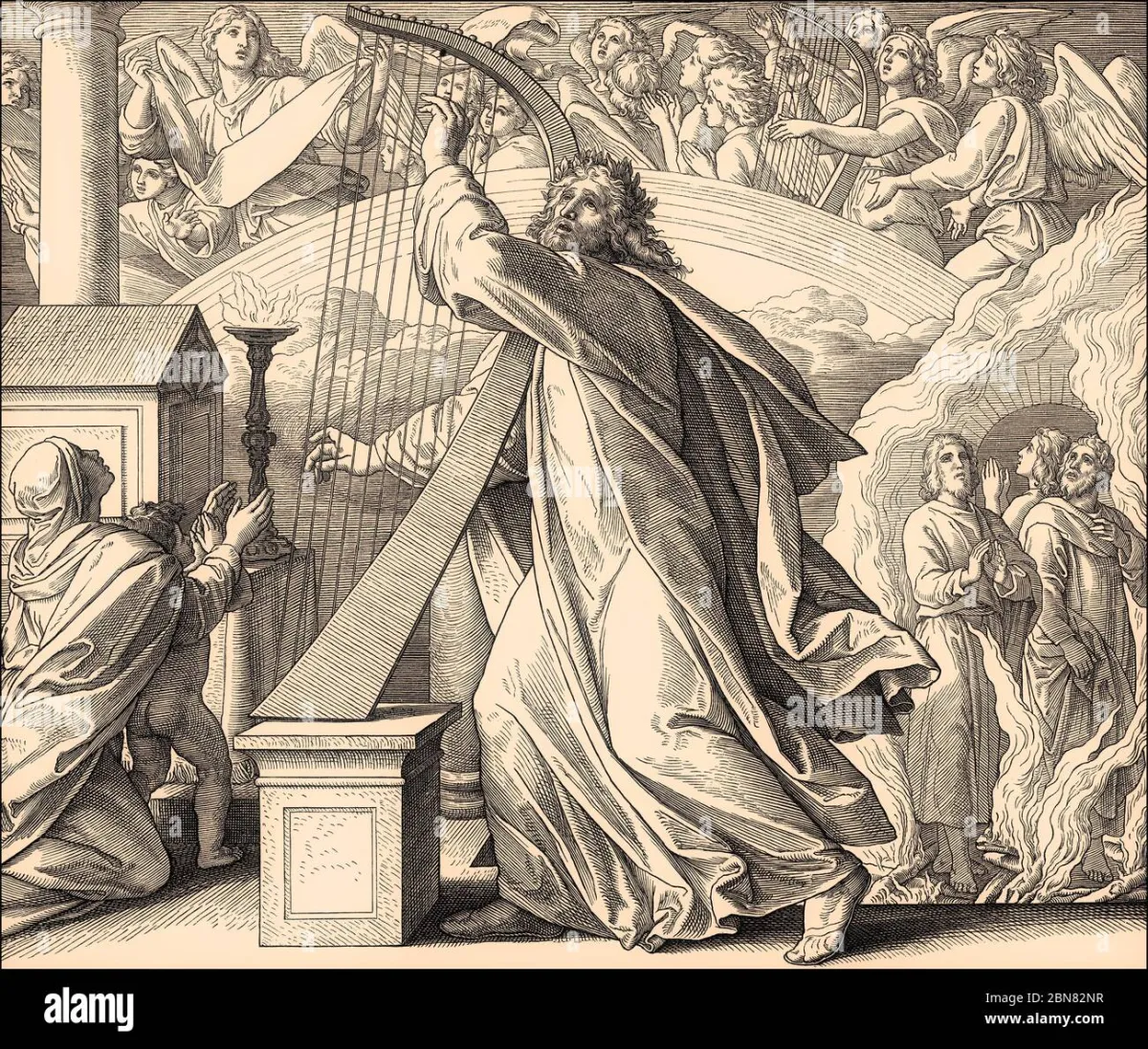 Photo: David Brennan, via c8.alamy.com
The phenomenon challenges conventional wisdom about art market development. While London galleries continue to dominate headlines, a parallel ecosystem operating through parish halls, community centres, and converted chapels across rural Britain is producing artists whose work commands premium prices precisely because of its grassroots origins.
The Community Context Premium
What distinguishes village hall exhibitions from traditional gallery shows isn't just location—it's the relationship between artist, venue, and audience that creates what market specialists term "community provenance." Collectors are increasingly willing to pay premiums for work that emerges from authentic local contexts rather than manufactured gallery narratives.
The numbers support this trend. Artists showing exclusively through community venues report average price increases of 340% within three years of establishing local reputations, compared to 180% for comparable artists working through commercial galleries. The difference lies in the authenticity of connection between artist and place.
Margaret Whitfield, whose textile works have sold consistently through Dorset village halls for fifteen years, explains the dynamic: "People buy my pieces because they know I live here, work here, and understand this landscape intimately. That connection isn't something you can manufacture in a Mayfair gallery."
 Photo: Margaret Whitfield, via 64.media.tumblr.com
The Informal Acquisition Environment
Village halls create purchasing environments that traditional galleries struggle to replicate. The combination of social context—often accompanying church fêtes, harvest festivals, or community celebrations—removes the intimidation factor that prevents many potential collectors from engaging with art markets.
Research conducted by the Rural Arts Network indicates that 67% of first-time art purchases occur in community settings rather than commercial galleries. The informal atmosphere encourages questions, negotiations, and the development of personal relationships between artists and collectors that sustain long-term purchasing patterns.
These venues also accommodate viewing practices that formal galleries discourage. Families examine pieces together, children ask questions freely, and potential buyers often return multiple times during exhibition periods to consider purchases—behaviour that builds confidence and emotional connection.
Regional Authenticity and Market Value
The most successful community-based artists understand how to leverage their local authenticity for broader market appeal. Rather than limiting themselves to purely local subjects, they develop visual languages that speak to universal themes whilst maintaining unmistakably regional characteristics.
Tom Harrison, whose landscapes sourced from Peak District community exhibitions now sell through Manchester and Sheffield galleries, describes his approach: "I paint what I see from my kitchen window, but I paint it in ways that speak to anyone who's ever felt connected to the British countryside. The authenticity comes from the specificity, but the appeal is universal."
 Photo: Peak District, via media.glamour.com
This balance between local specificity and broader appeal has proved crucial for artists seeking to transition from community venues to commercial success without losing their distinctive voice or market positioning.
The Collector Discovery Network
Urban collectors are increasingly incorporating rural art venue visits into their acquisition strategies. The combination of countryside tourism and art discovery creates what industry observers call "collection expeditions"—planned trips that combine leisure travel with serious art purchasing.
These collectors often develop ongoing relationships with specific community venues, timing visits to coincide with annual exhibitions or seasonal shows. The personal relationships developed through repeated visits create loyalty patterns that benefit both individual artists and local art ecosystems.
James Crawford, a Manchester-based collector who sources 60% of his contemporary British art through community venues, explains his preference: "I get to meet the artists, understand their working methods, and often commission pieces directly. The prices are fair, the work is authentic, and I'm supporting artists who are genuinely rooted in their communities."
The Curation Difference
Successful community art programmes require different curatorial approaches than traditional galleries. The most effective organisers understand that their role involves community building as much as art presentation, creating environments where local pride and external interest can coexist productively.
Village halls that consistently launch successful artistic careers share common characteristics: they maintain high presentation standards, provide professional-quality lighting and hanging systems, and treat their exhibitions as serious cultural events rather than amateur hobby displays.
The Wiltshire village of Lacock, whose community centre has launched four artists into commercial gallery representation over the past decade, exemplifies this professional approach. Their annual exhibition attracts collectors from across southern England, generating over £180,000 in direct artist sales in 2023.
Economic Impact and Sustainability
The financial benefits extend beyond individual artist success. Communities hosting successful art programmes report increased tourism, higher local spending, and enhanced property values. The cultural cachet associated with active artistic communities creates positive feedback loops that sustain long-term programme viability.
Local councils are beginning to recognise this economic potential, with some providing modest funding for community art programmes as economic development initiatives rather than cultural expenditure. This shift in perspective reflects growing understanding of the commercial value generated by authentic artistic communities.
The Gallery Circuit Integration
Rather than competing with traditional galleries, successful community-based artists are finding that their grassroots credentials enhance their appeal to commercial venues. Gallery directors increasingly seek artists with established local followings and authentic community connections, recognising that these relationships translate into sustained commercial success.
The most sophisticated artists maintain dual presence—continuing to show in community venues whilst developing gallery relationships that expand their market reach. This hybrid approach preserves the authenticity that drives premium pricing whilst accessing broader collector networks.
Future Market Evolution
As urban art markets become increasingly saturated and predictable, the authenticity and accessibility of community-based art programmes offer compelling alternatives for both artists and collectors. The success of rural venue launches suggests a fundamental shift in how British art markets value authenticity over location, community connection over institutional validation.
This trend represents more than market diversification—it signals the emergence of a distinctly British approach to art development that honours regional identity whilst achieving commercial viability, creating sustainable artistic careers rooted in authentic community relationships.