The Living Landscape: How Britain's Heritage Sites Are Igniting Demand for Contemporary Countryside Art

Photo: U.S. Navy photograph, Public domain, via Wikimedia Commons
The Living Landscape: How Britain's Heritage Sites Are Igniting Demand for Contemporary Countryside Art
There is a particular moment that many visitors to National Trust properties describe with striking consistency. They have just stood before a seventeenth-century landscape painting — perhaps a sweeping view of the Derbyshire Dales rendered in oils by an artist whose name they have already half-forgotten — and something unexpected has occurred. They have wanted it. Not the painting itself, which belongs firmly to another century and another budget, but the feeling it produces: the sense of a beloved landscape captured, honoured, and made permanent.
It is from precisely this moment that one of Britain's most commercially vigorous contemporary art trends has begun to grow.
Record Footfall, Rising Appetite
National Trust membership exceeded six million in recent years, representing a substantial portion of the British population with an active, habitual relationship with the country's most celebrated landscapes. English Heritage sites attract millions of additional visitors annually. Together, these organisations constitute an extraordinary mechanism for cultural exposure — one that consistently places ordinary people in intimate proximity to fine landscape art.
The effect on contemporary demand has not gone unnoticed. Artists working in landscape traditions report that buyers increasingly arrive with a clear visual reference point: a property they have visited, a view they have walked through, a particular quality of light over a specific stretch of countryside. They are not seeking abstraction. They are seeking recognition.
"My collectors often describe a place before they describe a style," says Cumbrian painter Thomas Aldridge, whose large-format oils of the Lake District have found buyers across Britain and beyond. "They tell me they walked Borrowdale last summer, or they grew up near Buttermere. The landscape is already part of them. They want a painting that confirms something they already feel."
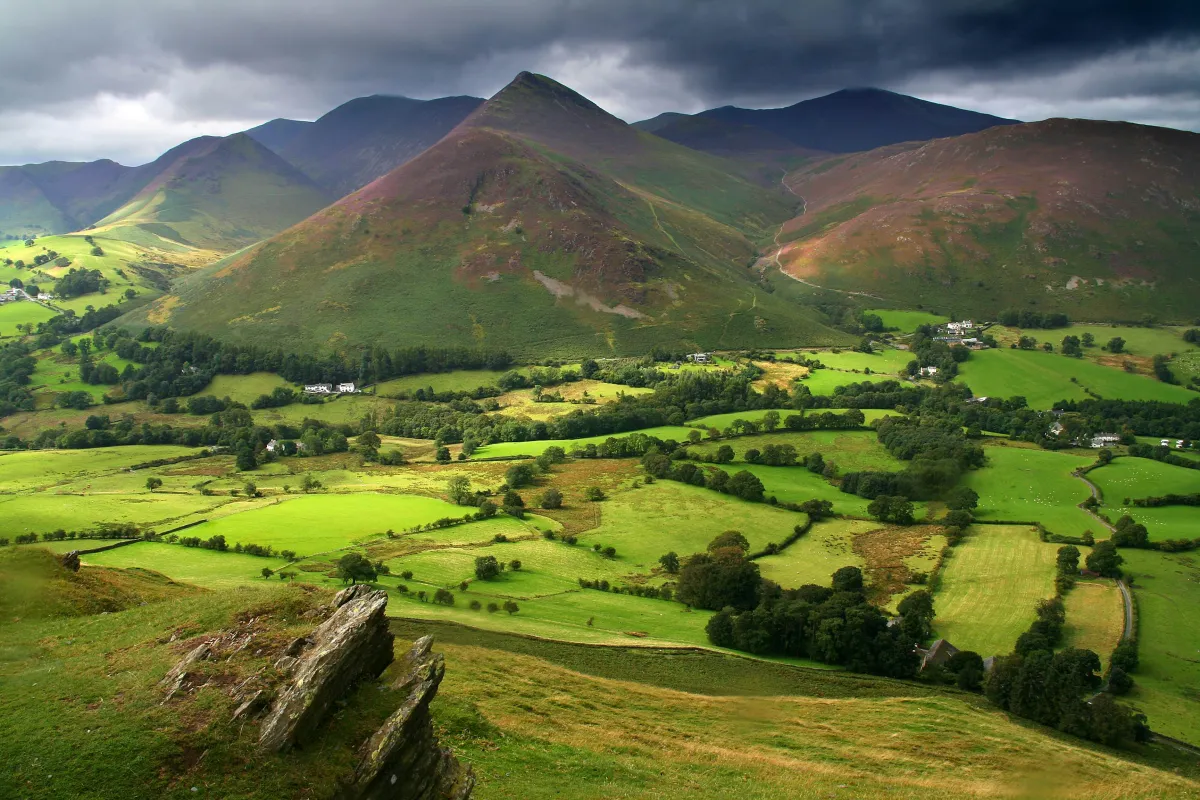 Photo: Lake District, via lp-cms-production.imgix.net
Modern Eyes on Ancient Ground
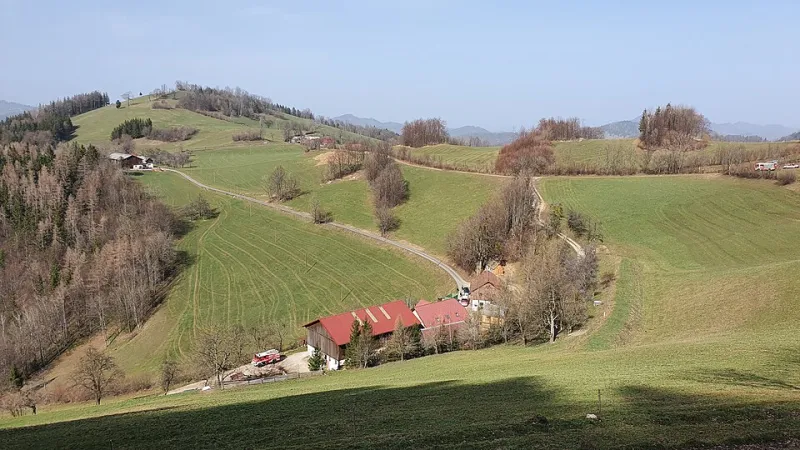
What distinguishes the most commercially successful contemporary landscape artists from their predecessors is not subject matter but perspective. The rolling hills of the Cotswolds, the dramatic coastline of the Pembrokeshire National Park, the moorland expanses of North Yorkshire — these are not new subjects. They have been painted for centuries. The opportunity available to contemporary British artists lies not in discovering new ground but in seeing familiar ground differently.
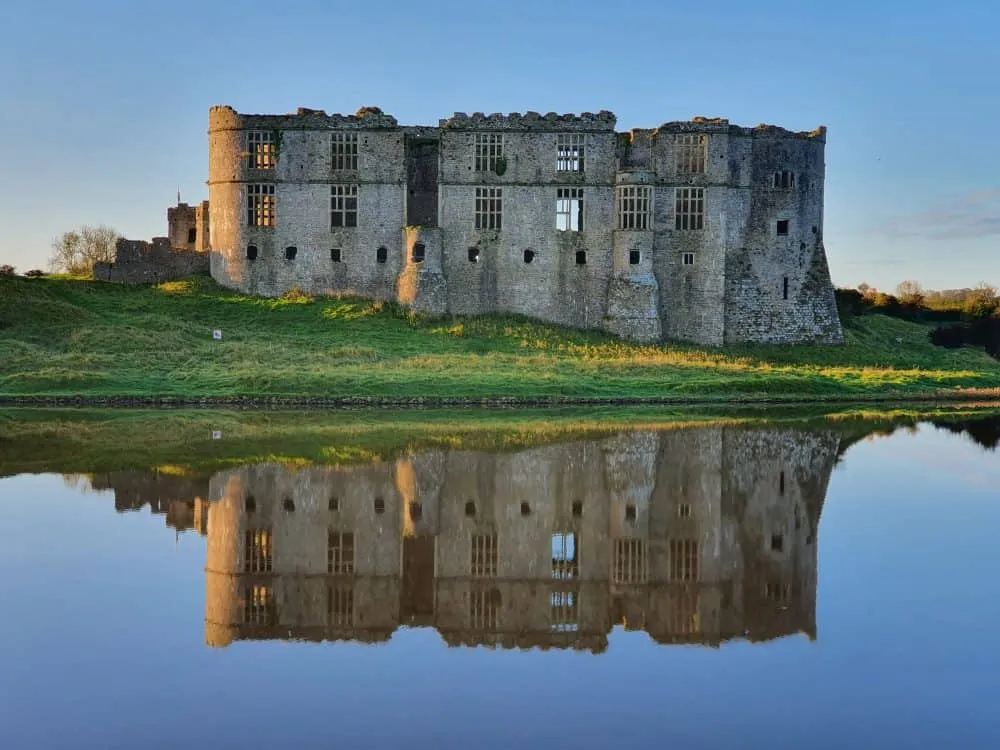 Photo: Pembrokeshire National Park, via www.howwetravel.co.uk
This distinction matters to collectors in ways that are both aesthetic and commercial. A painting that reproduces a conventional pastoral vision of, say, the South Downs offers a visitor something they could approximate with a quality print. A painting that renders the same landscape through a bold, contemporary visual language — through unexpected colour, expressive mark-making, or a compositional approach that owes as much to the present as to tradition — offers something genuinely irreplaceable.
Suffolk-based artist Miriam Osei works in a mixed-media approach that layers acrylic with printmaking techniques to produce landscape work of striking originality. Her subjects are frequently drawn from the gentle, undersung scenery of East Anglia — flatlands, big skies, and the particular luminosity of a coastal estuary at low tide. "People assume that dramatic landscapes sell better," she observes. "Snowdonia, the Highlands, the Jurassic Coast. And they do sell. But there is a huge, underserved appetite for quieter landscapes. People love the places they know. They want the ordinary made extraordinary."
Regional Hierarchies and Commercial Hotspots
Not all landscapes command equal commercial attention, and the patterns are instructive. The Lake District remains Britain's most consistently bankable landscape subject, benefiting from extraordinary literary and artistic associations, high visitor numbers, and a strong international profile. Cornish coastal scenery continues to attract serious collector interest, partly sustained by the enduring legacy of the St Ives School. The Scottish Highlands generate strong demand, particularly among collectors with personal connections to the region.
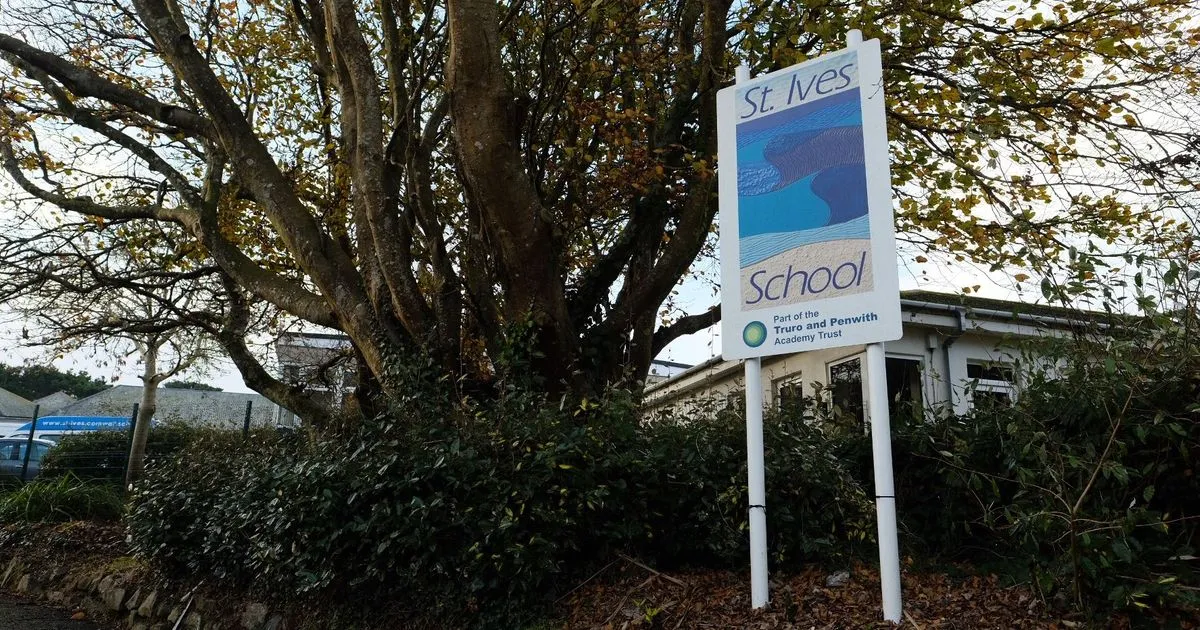 Photo: St Ives School, via i2-prod.cornwalllive.com
Emerging commercial hotspots include the Peak District, where a combination of proximity to major northern cities and dramatic visual variety is generating growing collector interest; the Yorkshire Dales, whose landscape has benefited from sustained popular cultural attention; and the Brecon Beacons in Wales, where a small but energetic community of artists is producing work of notable ambition.
Less expected is the growing collector appetite for urban-edge landscapes — the transitional spaces where city gives way to countryside, where industrial heritage and natural scenery coexist. These subjects, once considered commercially marginal, are finding enthusiastic buyers among collectors who recognise their own experience in them.
The Affordable Alternative
There is a quietly democratic quality to this trend that deserves acknowledgement. The historic landscape paintings that inspire this appetite — the Constables, the Turners, the Cotman watercolours displayed in National Trust properties across England — are, for the overwhelming majority of visitors, permanently beyond reach. Their commercial value places them in a different universe from the ordinary collector's budget.
Contemporary landscape art by emerging and mid-career British artists occupies a very different price register. Original works of genuine quality are available at prices that, while representing a meaningful purchase, are not beyond the reach of a household that has decided to treat art as a priority. This accessibility is not a compromise — it is an invitation.
"The visitor who stands in front of a Gainsborough and feels something real is not necessarily thinking about investment," notes gallery director and collector Sarah Beaumont, who curates a programme with a strong landscape focus. "They are thinking about beauty, about place, about memory. Contemporary landscape artists can meet that feeling directly. And they can do so at a price that allows the feeling to come home."
Painting the Present
For Britain's landscape artists, the National Trust effect represents something more than a commercial opportunity. It is, in a sense, an invitation to join a conversation that has been under way for centuries — to add a contemporary voice to the long, rich tradition of British artists responding to British land.
The best of them are doing precisely that: not imitating the past, but inheriting it. Their paintings of chalk downlands and wooded valleys, of winter moorland and summer estuaries, carry the weight of that tradition even as they insist on the vitality of the present. For collectors who have stood in a panelled room and felt the pull of an old landscape, these paintings offer something the historic works cannot: the knowledge that the view outside the window is still being seen, and still being painted, right now.