From Allotment to Artwork: The Contemporary Still Life Revival Redefining British Painting
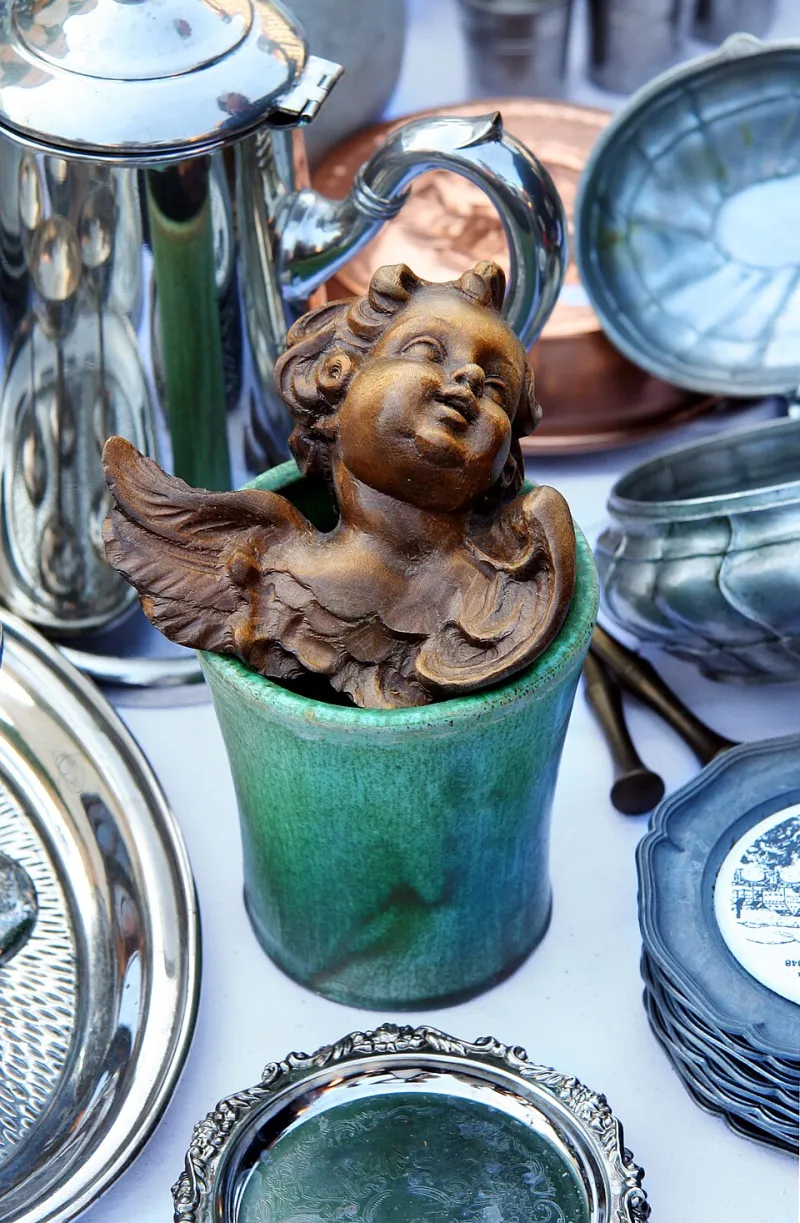
Photo: AngMoKio, CC BY-SA 3.0, via Wikimedia Commons
There is a particular kind of painting that has been appearing with increasing frequency on the online platforms, regional gallery walls, and art fair stands that constitute Britain's contemporary art market. It depicts, with careful attention and evident affection, a bowl of tomatoes grown on an allotment in Sheffield, a bunch of kale harvested from a Sussex kitchen garden, a clutch of heritage carrots arranged on a scrubbed wooden table. It is, unmistakably, a still life. And it is selling remarkably well.
The rehabilitation of still life painting as a commercially serious category is one of the more intriguing developments in British art over the past five years. Long regarded as a student exercise or a charming but minor genre, the still life has been reclaimed by a cohort of painters who bring to it a combination of technical ambition, cultural awareness, and shrewd understanding of who is buying art in Britain today — and why.
The Cultural Moment Behind the Movement
To understand why still life painting is thriving now, it helps to understand the broader cultural context in which these works are being made and sold. Britain's relationship with food has undergone a profound transformation over the past two decades. The rise of farmers' markets, the explosion of allotment waiting lists, the dominance of food provenance as a marker of social values — all of these developments have created an audience that thinks deeply and emotionally about where food comes from and what it means.
For this audience, a painting of homegrown vegetables is not simply a decorative object. It is an expression of values they hold sincerely: connection to the land, respect for seasonality, scepticism of industrial food systems, pleasure in the craft of cultivation. When a collector who tends their own allotment plot encounters a painting of runner beans with genuine painterly intelligence behind it, the emotional resonance is immediate and strong.
Artists who have understood this connection — and who have positioned their work to speak to it directly — are benefiting from a collector base that is motivated, growing, and increasingly willing to spend.
Social Media and the Visual Language of Food
The digital dimension of this phenomenon deserves careful attention. The visual culture of food — on Instagram, on food-focused newsletters, on the accounts of growers, cooks, and market traders — has established an aesthetic vocabulary that contemporary still life painters are both drawing from and contributing to.
The flat-lay composition, the emphasis on texture and natural light, the celebration of imperfection in heritage varieties and hand-thrown ceramics — these are not simply Instagram conventions. They reflect a genuine shift in how British culture perceives and values the visual qualities of food. Painters who engage with this language, while bringing to it the depth and materiality that only original paint on canvas can provide, occupy a distinctive and commercially powerful position.
Several artists working in this area have built substantial followings through consistent, thoughtful social media practice. They share work in progress, document visits to allotments and farm shops that inform their compositions, and engage directly with the food and growing communities whose values their work reflects. This approach generates organic reach within precisely the audience most likely to purchase their paintings.
The Pricing Conversation
One of the more striking aspects of the contemporary still life revival is the price points being achieved for work in this category. Original oil paintings of food subjects by artists with established online presences and exhibition records are regularly selling in the £800 to £3,500 range, with works by painters who have achieved broader critical recognition commanding considerably more.
This represents a significant upward shift from the pricing that still life work commanded even a decade ago. Several factors contribute to this. The collector base for this work is drawn disproportionately from professionals with disposable income who are active in the food, growing, and hospitality communities — people who are accustomed to paying well for quality and who understand the value of craft. Additionally, the emotional specificity of the best work in this category — its ability to capture a particular vegetable variety, a specific quality of kitchen light, the exact texture of a hand-thrown bowl — creates a sense of irreplaceability that supports strong pricing.
Limited-edition prints have also proven highly effective in this market, introducing new collectors at accessible price points and frequently converting them to original buyers over time. Artists who manage their edition strategies carefully — maintaining genuine scarcity while making their work discoverable online — are building sustainable commercial practices without relying on gallery representation.
Tradition and Innovation in Dialogue
The most intellectually interesting aspect of the contemporary British still life revival is the relationship it establishes with art history. The genre has one of the longest and richest traditions in Western painting, from the Dutch Golden Age masters to Chardin, from Cézanne to Lucian Freud. The best contemporary practitioners are not ignoring this inheritance — they are engaging with it actively, finding in the tradition both technical resources and conceptual provocations.
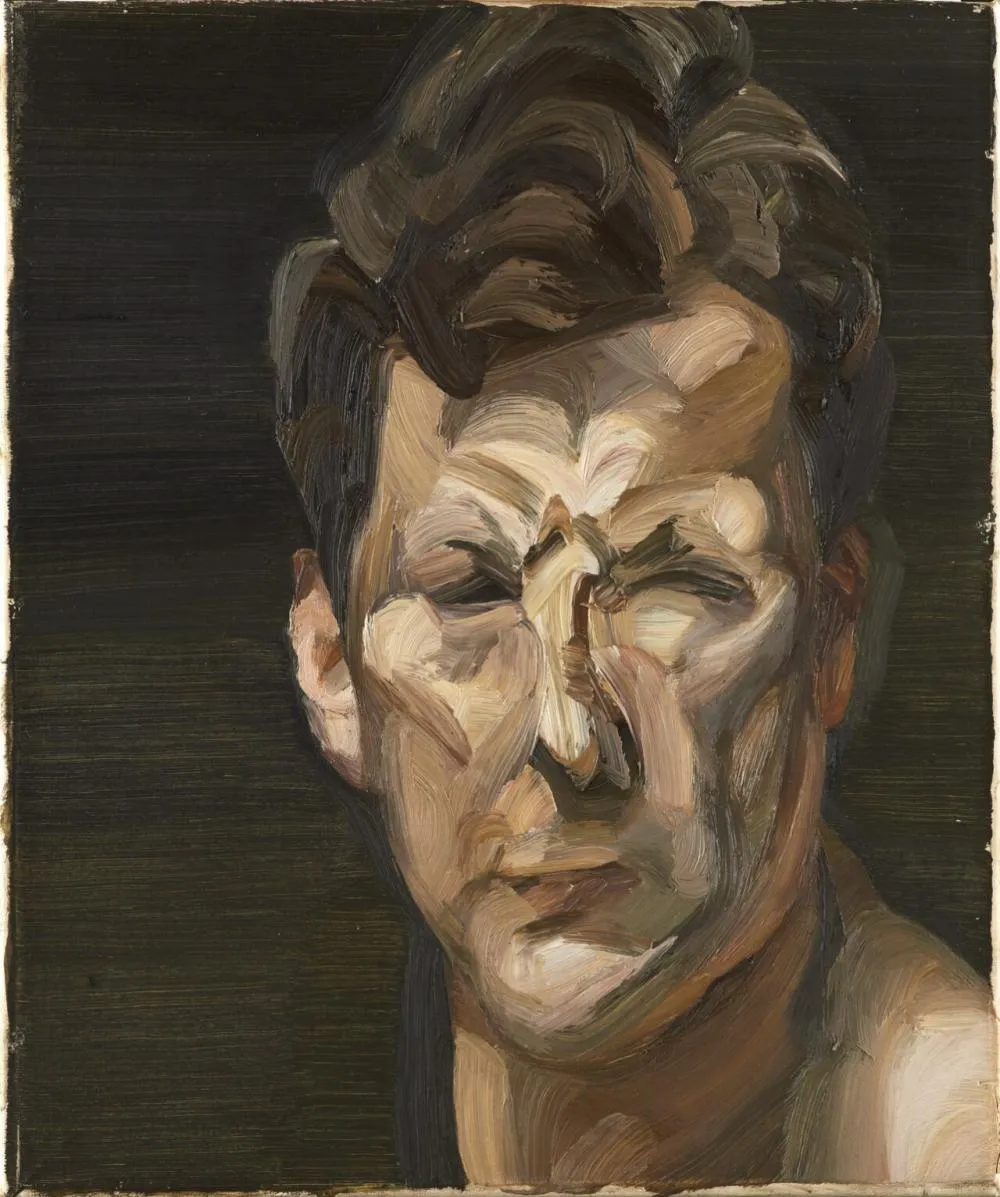 Photo: Lucian Freud, via www.npg.org.uk
Some painters working in this space bring an almost forensic attention to the rendering of surface and texture that places them in direct dialogue with seventeenth-century precedents. Others are more interested in the expressive possibilities of colour and mark-making, using the still life subject as a vehicle for painterly investigation that owes more to post-impressionism than to academic naturalism. What unites them is a seriousness of purpose that distinguishes their work from the merely decorative.
This seriousness is increasingly recognised by the critical infrastructure of the British art world. Still life work is appearing with greater frequency in prize shortlists, regional gallery programmes, and the editorial coverage of art publications. The genre's rehabilitation is not simply a market phenomenon — it reflects a genuine reassessment of its potential as a vehicle for serious artistic statement.
Advice for Collectors
For those considering acquisitions in this area, the contemporary British still life market offers considerable opportunity alongside some genuine hazards. The commercial appeal of food-themed subjects has attracted artists of widely varying quality, and the ability to produce pleasing images of vegetables does not, of itself, constitute a serious artistic practice.
Buyers should look for work that demonstrates genuine technical ambition — paintings that reward sustained looking, that reveal complexity of surface and composition on close examination. Exhibition history, critical engagement, and a coherent body of work developed over time are reliable indicators of artists whose work will hold and increase in value.
The grow-your-own movement shows every sign of continued growth, and the cultural values it embodies — craft, seasonality, provenance, connection to the land — are deeply embedded in British life. For artists working at the intersection of these values and a revitalised painterly tradition, the conditions for sustained commercial success have rarely been more favourable.