Shelves and Statements: How Independent British Retailers Are Rewriting the Rules of Art Discovery
The Unlikely Gallery on the High Street
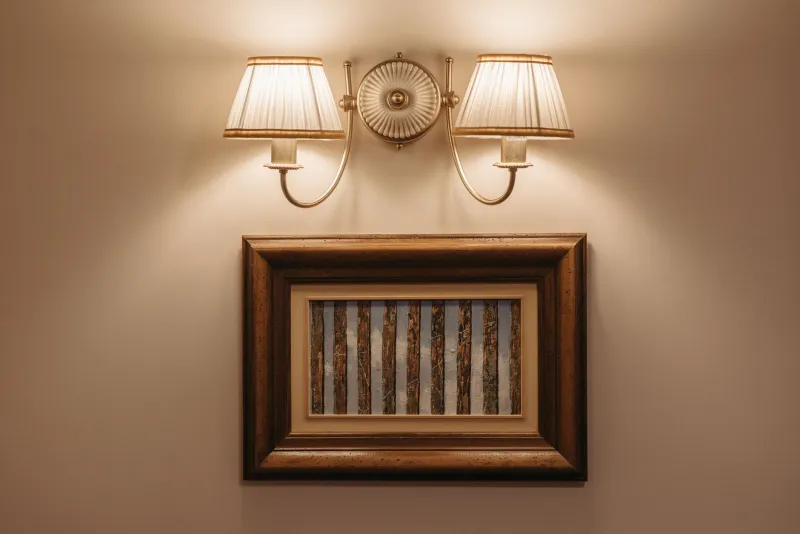
Walk into Thornton's Books in Shrewsbury on a Tuesday morning and you might find yourself pausing not at the new fiction table, but at a framed oil study hanging above the antiquarian shelf. It depicts the Shropshire hills in a palette that feels both ancient and entirely contemporary. The price tag is modest. The artist is local. And the transaction, should you choose to make it, requires nothing more than a quiet word with the person behind the counter.
This is how an increasing number of British people are buying original art — not through auction catalogues or gallery previews, but through the incidental intimacy of shops they already trust. The phenomenon is gathering pace across the country, and the artists, collectors, and retailers caught up in it are beginning to understand that something genuinely significant is taking place.
Why Shops Succeed Where Galleries Sometimes Struggle
The formal gallery has long held a complicated place in British cultural life. For many potential buyers, the white-walled silence, the attentive staff, and the implicit expectation of expertise create a barrier that prevents engagement before a single painting has been examined. Independent retail spaces operate on entirely different terms.
When a customer enters a vintage record shop in Bristol or a well-regarded cheesemonger in Edinburgh, they arrive with a purpose unrelated to art acquisition. The work on the wall meets them in a state of relaxed attention — the kind of open receptivity that galleries spend considerable sums attempting to manufacture. The result, for many first-time buyers, is that the purchase feels organic rather than performative.
Sarah Okonkwo, who runs a haberdashery and fabric studio in Norwich, began displaying work by local graduates three years ago, initially as a form of interior decoration. She now facilitates between four and eight sales per month, taking no commission and simply providing wall space in exchange for the animation it brings to her shop. "People come in for ribbon and leave having bought a painting," she says. "They don't feel judged, because they're already a customer. That changes everything."
The Artists Who Are Adapting
For emerging British artists, the implications of this retail integration are considerable. The conventional path — degree show, artist residency, group exhibition, solo show — remains valid, but it is no longer the only route to a sustainable practice. Shops offer something galleries rarely can: consistent footfall from a demographically diverse audience.
Painter Marcus Devereux, whose work focuses on post-industrial West Yorkshire landscapes, has placed pieces in a hardware shop in Hebden Bridge and a family-run café in Harrogate. Neither venue charges him for the privilege. Both have generated sales that, in his own assessment, have been more financially consistent than his gallery appearances. More importantly, the buyers tend to be people he would never otherwise have reached — tradespeople, retirees, young professionals furnishing their first homes.
"There's no mystique to it," Devereux explains. "Someone is buying a bag of screws and they look up and there's a painting of the valley they grew up in. That's not a gallery sale. That's something else entirely."
Curation by Instinct
What distinguishes the most effective retail art partnerships from simple wall rental is the quality of curation that shop owners bring to the selection process. Many independent retailers possess a highly developed aesthetic sensibility — the same instinct that governs their product selection, their shopfitting, and their customer relationships. When applied to art, this instinct produces environments where the work feels chosen rather than merely displayed.
In Totnes, a zero-waste grocery has developed a rotation policy, changing its displayed works every six weeks and hosting informal evening viewings that have become, by local reputation, some of the most approachable art events in Devon. The owner, who spent fifteen years working in textile design before opening the shop, selects work that complements her shop's ethos — pieces that engage with natural materials, ecological themes, and handcraft. The coherence of the programme has attracted attention from collectors who travel specifically to see what she is showing.
This curatorial seriousness is not universal, but it is becoming more common as word spreads of the commercial and reputational benefits. Independent retail associations in several regions have begun hosting workshops on art display and artist relationships, recognising that the trend represents a genuine opportunity for high streets facing sustained competitive pressure.
The Economics of Intimacy
For artists considering this route, the financial arrangements vary considerably. Some retailers take a modest commission of between ten and twenty per cent — significantly lower than the forty to fifty per cent typically retained by commercial galleries. Others, particularly those who view the art as a service to their customers rather than a revenue stream, make no charge at all. A smaller number have moved towards more formalised arrangements, producing printed materials, hosting launch events, and promoting artists through their own social media channels.
The price points that work best in retail settings tend to sit between £150 and £800 — accessible enough to constitute an impulse-adjacent decision, but substantial enough to represent genuine commercial value for the artist. Works at this level, often smaller studies, limited edition prints, or works on paper, have historically been undersupported by the formal gallery sector, which has tended to focus on higher-value pieces. The independent retail channel is filling that gap with considerable effectiveness.
A New Map of British Art
What is emerging, taken in aggregate, is a new geography of art discovery — one that runs not between major city galleries but along the grain of everyday British commercial life. A collector in Ludlow might begin their relationship with contemporary art in a kitchen shop. A buyer in Dundee might make their first purchase in a record store. A retired teacher in Lewes might find the work of an artist she follows for years on the wall of her local pharmacy.
This dispersal of art into the fabric of daily commerce does not diminish the work. If anything, it restores to art something that formal exhibition culture has sometimes obscured — its capacity to exist within life, rather than apart from it. Britain's independent retailers, in their unassuming and practical way, are proving to be among the most effective advocates for contemporary art the country has produced in years.