Grounds for Success: How Britain's National Trust Landscape Is Launching the Next Wave of Plein Air Painters
Grounds for Success: How Britain's National Trust Landscape Is Launching the Next Wave of Plein Air Painters
The walled garden at Sissinghurst Castle in Kent receives thousands of visitors each month during the season. Most arrive with cameras and guidebooks. A growing number, however, come specifically to watch artists at work — and occasionally to purchase the results.
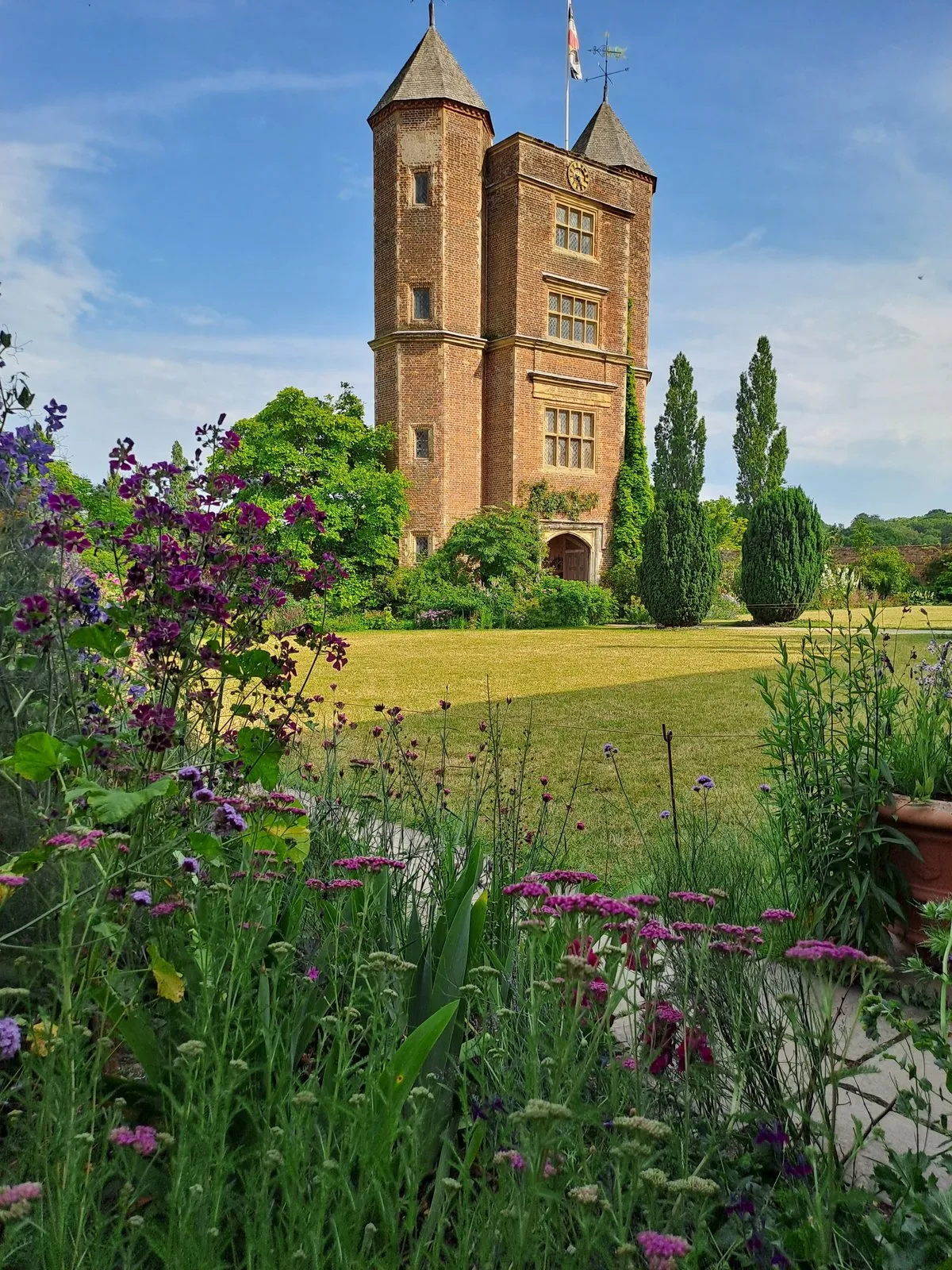 Photo: Sissinghurst Castle, via dynamic-media-cdn.tripadvisor.com
This is not a coincidence. Britain's National Trust properties, long regarded as custodians of architectural and horticultural heritage, have quietly become one of the most commercially significant environments in the contemporary art market. The artists who have recognised this — and positioned their practices accordingly — are building careers of genuine substance, often bypassing the conventional gallery system entirely.
Heritage as Habitat
The National Trust's membership base is among the most culturally engaged in the country. These are people who travel specifically to experience beauty, history, and landscape. They are predisposed to aesthetic appreciation, accustomed to spending on experiences, and — critically — they often arrive at a property already in an acquisitive frame of mind.
For landscape and plein air artists, this audience represents something close to an ideal collector base. The challenge lies in reaching them effectively, and in producing work that speaks to the particular quality of these much-loved settings without becoming merely decorative or nostalgic.
The best artists working in proximity to major heritage properties understand this distinction instinctively. They are not producing postcards. They are making serious work that engages with the light, atmosphere, and character of a specific place — work that happens to resonate deeply with people who share their attachment to that landscape.
The Commercial Logic of Proximity
Establishing a visible practice near a high-footfall National Trust property carries significant commercial advantages. Visitors who encounter an artist at work in a beloved garden or parkland are primed for purchase in a way that gallery visitors rarely are. The emotional connection to the setting transfers immediately to the work being made within it.
Several artists have described a consistent pattern: a visitor watches them work for twenty minutes, asks questions about technique and process, and departs with a business card. Within days, an enquiry arrives — often leading to a direct purchase of the work witnessed in progress, or a commission for a related piece depicting a different aspect of the same property.
This conversion rate, from casual encounter to committed collector, is considerably higher than that achieved through conventional exhibition routes. It reflects the particular power of experiencing art being made in a place that carries personal significance. The buyer is not simply acquiring a painting; they are taking home a fragment of an experience that matters to them.
Gardens, Parkland, and the Hierarchy of Subjects
Not all heritage subjects command equal commercial interest. Among buyers drawn to National Trust-adjacent work, certain subjects consistently outperform others. Walled gardens — with their combination of architectural structure, cultivated abundance, and seasonal drama — are among the most sought-after. Parkland scenes featuring mature specimen trees attract strong interest, particularly from collectors with country house connections. Coastal properties, of which the Trust manages a considerable portfolio, draw buyers from both the outdoor leisure community and those with a more traditional interest in British seascape.
Interior subjects — the great rooms, libraries, and staircases of Trust-managed houses — represent a smaller but genuinely committed market. Collectors who have visited Petworth or Erddig or Lanhydrock repeatedly over many years often seek work that captures the specific quality of light in a room they know intimately. These buyers tend to purchase at higher price points and to become loyal patrons of artists whose work demonstrates genuine knowledge of the property.
Digital Reach and the Heritage Buyer
The National Trust's own digital presence — extensive social media followings, a substantial membership newsletter, and active online communities organised around specific properties and regions — creates meaningful opportunities for artists to reach heritage-engaged buyers beyond the immediate vicinity of a given estate.
Artists who document their practice at Trust properties through social media, sharing work in progress and finished pieces alongside observations about the landscape and season, consistently report strong engagement from followers who are themselves Trust members. This audience is self-selecting: people who follow accounts dedicated to Stourhead or Chartwell are precisely the buyers most likely to purchase work depicting those settings.
Online sales of edition prints depicting Trust-adjacent landscapes have grown considerably in recent years, with artists reporting that buyers frequently cite a specific visit to a property as the prompt for their purchase. The emotional memory of a day at a beloved estate, triggered by encountering the right image online, is a powerful commercial driver.
Positioning for the Long Term
Artists building careers in this space face a genuine strategic question: how closely should they align their public identity with specific properties or landscapes, and at what point does specialisation risk limiting their broader market appeal?
The evidence suggests that deep specialisation, at least in the early stages of a career, serves commercial objectives well. Artists who become known as the painter of a particular valley, garden, or coastline develop a recognisable identity that buyers can locate and return to. Diversification, when it comes, tends to be more effective once a strong initial reputation has been established.
For collectors, the heritage landscape art market offers works of genuine quality at a wide range of price points, from accessible limited editions to substantial original canvases. The key criterion for investment is the same as in any other sector: artists whose practice demonstrates sustained engagement with their subject, a coherent aesthetic vision, and a growing exhibition record represent the most reliable acquisitions.
Britain's heritage landscape is not going anywhere. Neither, it seems, is the appetite for art that captures it with intelligence and craft.