Grand Residences: Historic Estates Forge New Revenue Through Contemporary Artist Programmes
The Marriage of Heritage and Innovation
Across Britain's countryside, a quiet revolution is taking place behind the imposing gates of historic houses. From Northumberland's windswept castles to Devon's Georgian manor houses, landed families are opening their doors to contemporary artists in an arrangement that benefits both crumbling estate finances and emerging creative careers.
The Marquess of Northampton's Compton Verney estate in Warwickshire exemplifies this transformation. What began as a pragmatic solution to maintaining unused wings has evolved into a sophisticated artist residency programme that regularly sells works for five-figure sums. The estate's Head of Cultural Programmes, Sarah Matthews, explains: "We realised that our empty servants' quarters and unused stables could provide exactly what contemporary artists need – space, inspiration, and crucially, a story that collectors find irresistible."
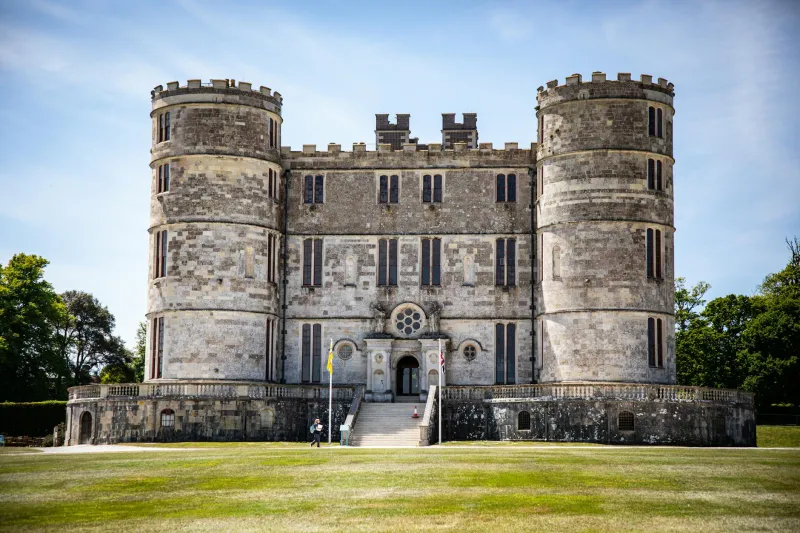
 Photo: Compton Verney, via down-br.img.susercontent.com
The Provenance Premium
The commercial appeal of 'country house provenance' cannot be overstated in today's art market. Works created within historic walls carry an authenticity that resonates powerfully with collectors seeking narratives beyond mere aesthetic appeal. London dealer James Pemberton, who specialises in contemporary British art, notes: "When I can tell a collector that a painting was created in the same room where Capability Brown once sketched his garden designs, or where Churchill stayed during the war, the conversation changes entirely."
This phenomenon extends beyond mere novelty. The Chatsworth House Artist in Residence programme, launched in 2019, has seen every participating artist experience significant career advancement. Sculptor Maya Chen, whose bronze series was inspired by the estate's deer park, saw her waiting list extend to eighteen months following her Chatsworth exhibition. The Devonshire Collection subsequently acquired three pieces, lending institutional credibility to her broader practice.
 Photo: Chatsworth House, via blog-cdn.reedsy.com
Economic Symbiosis
The financial mathematics prove compelling for estates grappling with maintenance costs that can exceed £50,000 annually per wing. Holkham Hall in Norfolk charges artists a modest residency fee whilst retaining first refusal on completed works at preferential rates. Estate Manager Victoria Coke reveals: "We're not running a charity. The residency programme generates direct income through fees, indirect income through art sales, and immeasurable value through enhanced cultural programming that attracts visitors year-round."
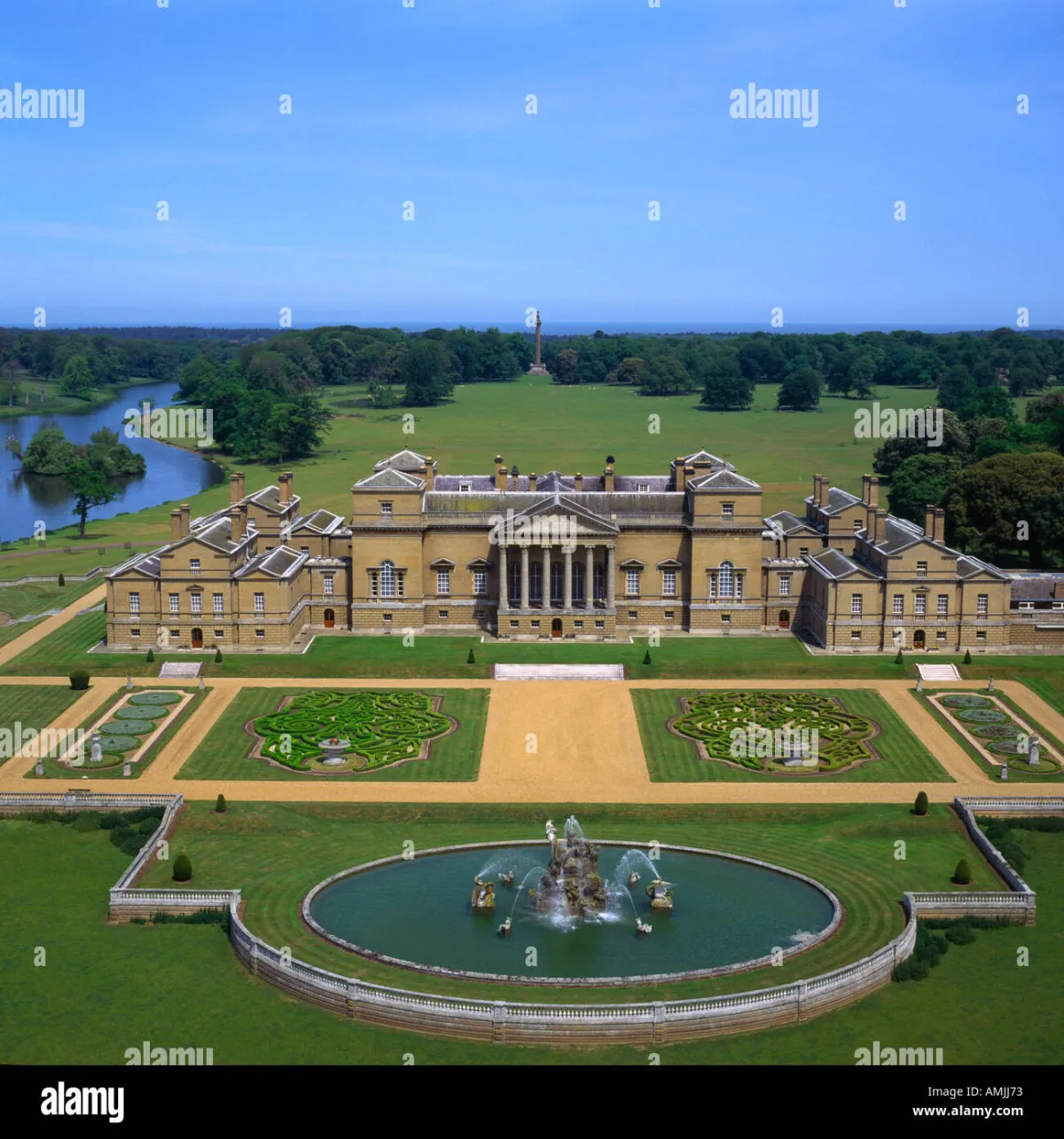 Photo: Holkham Hall, via c8.alamy.com
The model varies across properties. Some estates, like Kedleston Hall, operate through partnerships with arts councils, whilst others, including several National Trust properties, have developed commercial relationships with galleries seeking unique exhibition venues. The common thread remains the transformation of financial burden into cultural and economic opportunity.
Artist Perspectives
For artists, the appeal extends beyond romantic notions of creating within historic walls. Painter David Morrison, who completed a six-month residency at Hardwick Hall, describes the practical advantages: "The scale of these spaces allows for ambitious work impossible in typical studio environments. But more importantly, the setting demands a certain seriousness of purpose. You're conscious of contributing to centuries of cultural legacy."
The networking opportunities prove equally valuable. Residencies often coincide with private estate events, introducing artists to potential collectors in relaxed, non-commercial settings. This organic relationship-building frequently yields sales that bypass traditional gallery commissions entirely.
Market Response
Collectors are responding enthusiastically to this convergence of heritage and contemporary practice. Interior designer and art collector Philippa Howard explains her attraction to country house works: "There's an authenticity that's increasingly rare in today's art world. These pieces carry genuine stories of place and process that manufactured gallery narratives simply cannot replicate."
The secondary market reflects this enthusiasm. Recent auction results show works with documented country house provenance achieving premiums of 20-30% over comparable pieces lacking such heritage connections. This trend appears sustainable, driven by collectors' desire for authenticity in an increasingly digital world.
Future Developments
The success of early programmes is inspiring expansion across Britain's heritage sector. English Heritage recently announced pilot residency schemes at five properties, whilst Historic Environment Scotland is developing similar initiatives north of the border. Private estates are forming consortiums to share resources and cross-promote their cultural offerings.
This movement represents more than temporary financial expedience. It signals a fundamental shift in how Britain's historic houses position themselves for the 21st century – not as static museums, but as living cultural institutions actively contributing to contemporary artistic discourse whilst securing their own survival through innovative commercial partnerships.
The transformation of empty wings into thriving creative spaces demonstrates that heritage and innovation need not exist in opposition. Instead, they can form partnerships that enrich both Britain's cultural landscape and its contemporary art market, ensuring that historic houses remain relevant whilst providing artists with unparalleled opportunities for career development.