The Creative Write-Off: How Britain's Self-Employed Are Transforming Art Purchases Into Tax Strategy
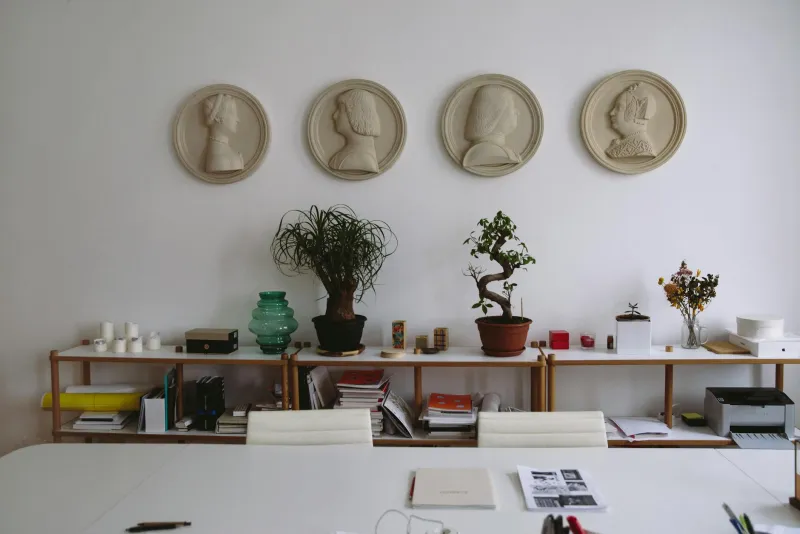
The Hidden Tax Advantage Transforming Britain's Art Market
In accounting offices across Britain, a quiet revolution is taking place. Architects, therapists, consultants, and creative professionals are discovering that original artwork purchased for their business premises qualifies as a legitimate tax-deductible expense under HMRC guidelines. This revelation is fundamentally altering the demographics of art collecting whilst providing unexpected financial lifelines for contemporary British artists.
The mechanics are straightforward yet underutilised: any original artwork purchased for exclusive business use can be claimed against taxable profits, effectively reducing the net cost by 20% for basic rate taxpayers and up to 45% for those in higher brackets. For a self-employed professional purchasing a £2,000 painting for their consulting room, the actual cost after tax relief could be as little as £1,100.
HMRC Guidelines: The Legal Framework for Art Investment
HM Revenue and Customs guidance explicitly permits the deduction of artwork costs when pieces are used "wholly and exclusively" for business purposes. This includes paintings, sculptures, and installations displayed in offices, consulting rooms, studios, and client-facing spaces operated by sole traders and partnerships.
The key requirement centres on business purpose rather than artistic merit. A psychotherapist displaying calming abstract pieces in their practice room, an architect showcasing contemporary works in their studio, or a design consultant featuring cutting-edge installations in their showroom all qualify for full tax relief.
Crucially, the artwork must remain within business premises and serve a legitimate commercial function—whether that's creating appropriate ambience for clients, demonstrating aesthetic sensibility relevant to the business, or simply maintaining professional environment standards.
The Professional Demographics: Who's Buying and Why
The uptake of this strategy spans diverse professional sectors, each with distinct motivations and purchasing patterns. Healthcare professionals, particularly private practitioners, represent a significant segment. Dr. Rebecca Matthews, a Harley Street consultant, has invested over £25,000 in contemporary British paintings for her practice rooms over three years.
 Photo: Harley Street, via ilmondodellevip.altervista.org
"The art serves multiple purposes," Matthews explains. "It creates a calming environment for patients, demonstrates attention to quality and detail, and the tax efficiency means I can afford pieces that would be impossible on personal income alone."
Architecture and design professionals show different patterns, often purchasing work that demonstrates their aesthetic sensibilities to potential clients. Manchester-based architect David Chen treats his studio's art collection as both environmental enhancement and business development tool, with pieces frequently sparking conversations that lead to commissions.
The Artist Perspective: Steady Income from Unexpected Sources
For contemporary British artists, this market segment provides remarkably stable income streams. Unlike gallery sales that fluctuate with economic conditions, professional purchases often represent planned investments tied to business development strategies.
London-based painter Sarah Williams reports that approximately 40% of her sales now come from self-employed professionals claiming tax relief. "These buyers are different from traditional collectors," she observes. "They're more decisive, less concerned with resale value, and often become repeat customers as their businesses expand."
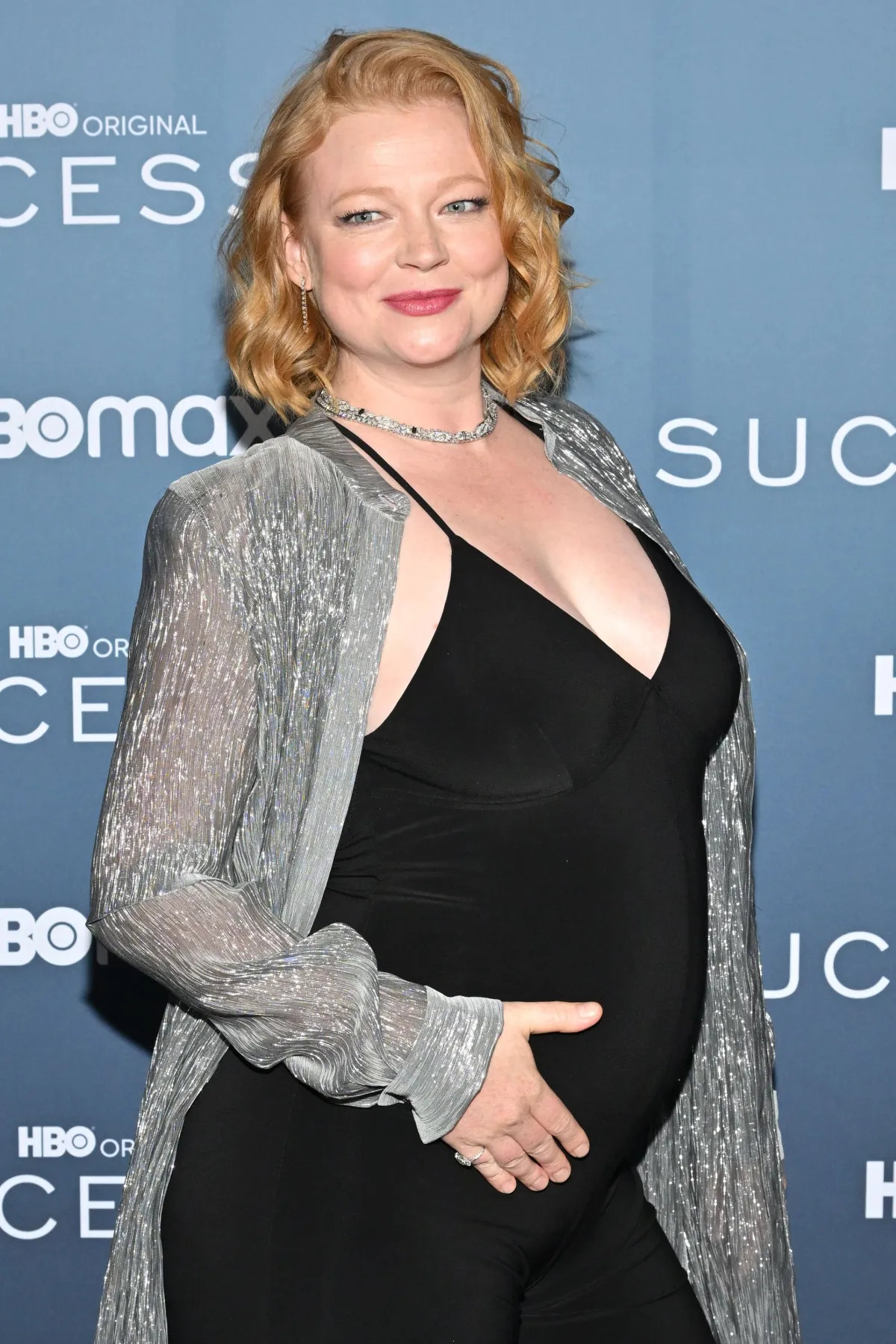 Photo: Sarah Williams, via pagesix.com
The price points favoured by this market typically range from £1,500 to £8,000—substantial enough to provide meaningful artist income whilst remaining accessible to professional service providers.
Strategic Purchasing: Maximising Tax Efficiency
Sophisticated buyers are developing strategic approaches that maximise both aesthetic and financial benefits. Annual Improvement Allowances permit businesses to deduct up to £1,000 of qualifying expenditure without formal depreciation calculations, making smaller purchases particularly tax-efficient.
For larger investments, Capital Allowances rules allow the cost to be written off over several years, spreading the tax benefit whilst building substantial collections. Some professionals coordinate purchases with high-income years, using art acquisition to reduce tax liabilities during peak earning periods.
Accountant Michael Thompson, specialising in creative industries, reports a 300% increase in art-related queries over the past two years. "Once professionals understand the mechanics, they often become enthusiastic collectors. The tax efficiency removes the guilt factor that prevents many art purchases."
Sector-Specific Applications: Tailored Approaches
Different professional sectors have developed distinct approaches to business art acquisition. Mental health practitioners favour calming, abstract works that support therapeutic environments. Legal professionals often choose pieces that convey authority and sophistication. Creative consultants select cutting-edge contemporary works that demonstrate their cultural awareness.
These sector-specific preferences have created niche markets for artists whose work aligns with particular professional needs. Landscape painter Emma Foster has developed a substantial client base among rural veterinary practices, whilst abstract artist James Morton supplies numerous London-based financial consultancies.
The Installation Factor: Creating Business-Appropriate Collections
Successful business art collections require careful curation that balances personal taste with professional requirements. Pieces must appeal to diverse client demographics whilst avoiding controversial subjects or challenging imagery that might alienate potential customers.
This has led to increased demand for sophisticated yet accessible contemporary work—pieces that demonstrate cultural sophistication without intimidating viewers. Many artists report adjusting their practice to serve this market, creating work that maintains artistic integrity whilst meeting professional display requirements.
Digital Documentation: Proving Business Purpose
Maintaining proper records becomes crucial for maximising tax benefits whilst ensuring HMRC compliance. Successful claimants document the business purpose of each purchase, maintain photographic records of installation locations, and preserve all purchase documentation.
Many professionals work with specialist art consultants who understand both aesthetic requirements and tax implications, ensuring purchases meet HMRC guidelines whilst building coherent collections.
The Gallery Response: Adapting to New Markets
Commercial galleries are adapting to serve this growing market segment. Some now offer specific services for business buyers, including installation consultancy, tax documentation assistance, and flexible payment terms aligned with business cash flow cycles.
Gallery owner Patricia Hendricks reports that business buyers now represent 35% of her sales. "They're often more decisive than private collectors and less price-sensitive because of the tax benefits. It's become a crucial market segment."
Future Implications: Reshaping Art Commerce
The long-term implications of this trend extend beyond individual transactions. As more professionals discover these tax advantages, the traditional boundaries between personal collecting and business investment continue blurring.
This democratisation of art acquisition is creating new pathways for artists to build sustainable careers whilst expanding the collector base beyond traditional demographics. The combination of tax efficiency and business functionality creates compelling reasons for art purchases that transcend pure aesthetic appreciation.
Practical Implementation: Getting Started
For self-employed professionals considering art investment, the process begins with understanding specific business requirements and tax positions. Consulting with qualified accountants ensures compliance with HMRC guidelines whilst maximising available benefits.
The selection process should balance personal aesthetic preferences with professional appropriateness, considering the diverse range of clients and visitors who will encounter the work. Building relationships with reputable galleries or art consultants can provide access to suitable pieces whilst ensuring proper documentation for tax purposes.
This overlooked intersection of tax strategy and cultural patronage is quietly transforming Britain's contemporary art market, creating opportunities for artists whilst enabling professionals to enhance their business environments through legitimate tax planning. As awareness spreads, this trend seems poised to become a permanent feature of the UK's art commerce landscape.