Breakfast and Brushstrokes: How Britain's Independent Guesthouses Are Redefining Art Discovery
The Quiet Revolution in Guest Accommodation
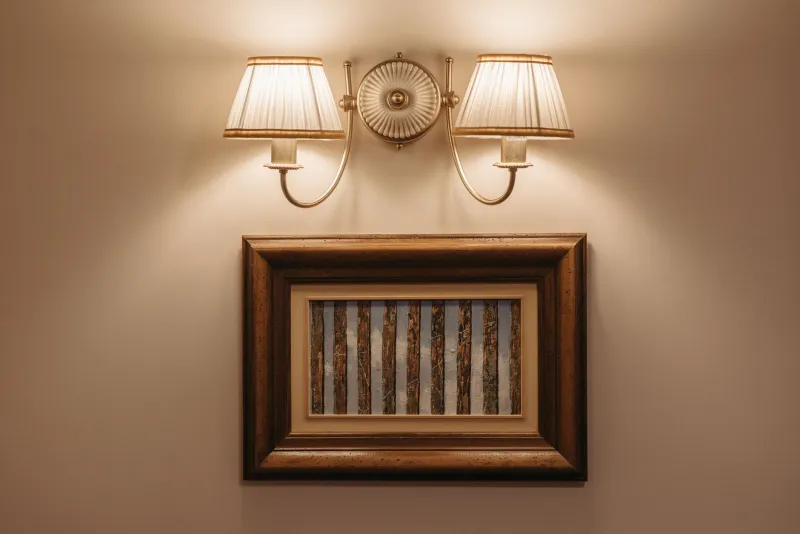
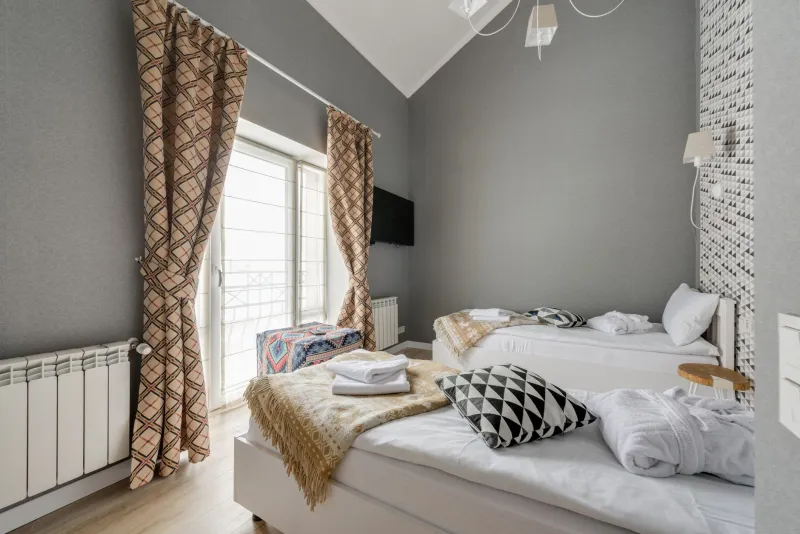
Whilst London's commercial galleries battle for attention in an increasingly saturated market, a different kind of art revolution is unfolding in the spare bedrooms and breakfast rooms of Britain's independent accommodation sector. From converted Georgian townhouses in Bath to Highland bothies in Scotland, bed and breakfast owners are discovering that original artwork doesn't just enhance the guest experience—it creates an entirely new revenue stream.
The transformation began almost by accident. Sarah Mitchell, who runs Willowbank House in the Yorkshire Dales, initially hung local watercolours simply to "make the rooms feel more homely." Three years later, she's sold over £40,000 worth of original paintings to guests who fell in love with the work during their stay. "People see a painting every morning over breakfast," Mitchell explains. "By the third day, they're asking about the artist. By checkout, they're arranging collection."
 Photo: Willowbank House, via www.bobswatches.com
The Psychology of Intimate Purchasing
What makes the B&B environment so conducive to art sales? Dr. Emma Hartwell, who studies consumer behaviour at Leeds Business School, points to the unique psychological conditions these spaces create. "Unlike a gallery, where visitors feel observed and pressured, a guesthouse allows people to live with art temporarily. They're relaxed, often on holiday, and making decisions from a place of genuine affection rather than investment anxiety."
This emotional connection proves particularly powerful for emerging British artists struggling to break into traditional gallery circuits. Tom Brennan, a landscape painter from Northumberland, credits his partnership with three local B&Bs for launching his career. "Gallery visitors look at price tags first," he observes. "B&B guests fall in love with the work first, then discover it's affordable. It's a completely different dynamic."
Regional Networks Taking Shape
Across Britain's tourism corridors, informal networks are emerging between accommodation providers and local artists. The Cornish Coast Art Trail now includes fifteen B&Bs alongside traditional galleries, whilst the Peak District's 'Artists in Residence' programme places contemporary work in over thirty guesthouses between Sheffield and Manchester.
James Whitfield, who coordinates the Lake District's emerging 'Lakeland Studios' initiative, reports booking increases of 30% among properties featuring original art. "Guests specifically request rooms with particular artists' work," he notes. "We're seeing repeat visits driven entirely by people's connection to the art programme."
 Photo: Lake District, via pub.mdpi-res.com
Beyond Decoration: Curated Experiences
The most successful partnerships transcend simple wall decoration. At Harbour View in Whitby, owner Margaret Thornton arranges studio visits with featured artists for interested guests. "It's become part of our service offering," she explains. "Guests book specifically for the art experience—the accommodation almost becomes secondary."
Similarly, the Old Rectory in Hay-on-Wye has developed themed weekends around featured artists, combining accommodation with workshops and purchasing opportunities. Owner David Price reports that these events consistently sell out months in advance, commanding premium rates whilst generating substantial commission income from art sales.
The Artist's Perspective
For British artists, the B&B circuit offers advantages beyond simple sales opportunities. Unlike gallery representation, which often requires exclusive arrangements and significant commission splits, guesthouse partnerships typically operate on more flexible terms. Artists retain control over pricing whilst gaining access to an international audience of potential collectors.
Ceramic artist Helen Shaw, whose work features in eight Cotswold B&Bs, describes the arrangement as "career-changing." Over eighteen months, she's sold to collectors from Japan, America, and across Europe—all through chance encounters in breakfast rooms and guest lounges. "These buyers become ambassadors," Shaw notes. "They return home and recommend my work to friends. It's word-of-mouth marketing on an international scale."
Commercial Realities
The financial benefits prove compelling for both parties. B&B owners typically retain 20-30% commission on sales whilst adding a distinctive selling point to their marketing. Artists gain regular income without gallery overheads, often selling work at higher margins than traditional retail arrangements would permit.
More significantly, the model appears recession-resistant. During economic uncertainty, people may postpone gallery visits but continue taking holidays. The art becomes part of the travel experience rather than a separate luxury purchase, making it psychologically easier to justify.
Future Prospects
As Britain's tourism sector adapts to changing consumer expectations, the integration of art and accommodation appears increasingly strategic. Visit Britain's recent research indicates that cultural experiences rank among the top three factors influencing destination choice for domestic tourists.
The success of these informal partnerships suggests a broader shift in how British art finds its audience. Rather than relying solely on traditional gatekeepers, artists and collectors are creating direct relationships built on genuine appreciation and personal connection.
For emerging British talent, the message is clear: sometimes the path to serious collecting begins not in Cork Street galleries, but in countryside guest rooms where art and hospitality combine to create something entirely new.