Healing Canvas: NHS Art Commissions Become Britain's Most Lucrative Creative Opportunity
The Prescription for Success
When textile artist Rebecca Thornton received her first NHS commission in 2019, she expected a modest fee for corridor decoration. Three years later, her healthcare portfolio includes twelve major installations across England, generating annual revenue exceeding £180,000. Thornton's transformation from struggling freelancer to sought-after healthcare specialist illustrates a remarkable shift in how Britain's medical institutions approach artistic investment.
The healthcare art commissioning sector has experienced unprecedented growth, driven by evidence linking environmental aesthetics to patient recovery rates. NHS England's latest procurement guidelines specifically mandate artistic consideration in all major building projects, creating a structured pipeline for creative professionals willing to engage with medical environments.
Beyond Decoration: The Commercial Reality
Healthcare commissions operate on entirely different financial parameters than traditional gallery relationships. Where galleries typically retain 50% commission, healthcare institutions work directly with artists, often providing full project fees upfront. Recent commissions have ranged from £25,000 for small-scale installations to £350,000 for comprehensive hospital redevelopment projects.
Art consultant Miranda Walsh, who specialises in healthcare placements, explains the economic advantages: "Medical institutions budget for art as essential infrastructure, not optional enhancement. They understand that quality creative work reduces staff turnover, improves patient satisfaction scores, and can genuinely impact recovery times. That understanding translates into serious financial commitment."
Walsh's consultancy has brokered over £2.3 million in healthcare commissions since 2020, with individual artist fees averaging significantly higher than comparable commercial gallery sales. The key difference lies in scale and permanence – healthcare installations often occupy entire corridors, atriums, or treatment areas, requiring substantial creative investment.
The Artists Finding Success
Painter David Chen discovered healthcare commissioning accidentally when his GP surgery displayed his landscape work in 2018. That informal exhibition led to a formal commission for a dementia care facility, which won a national healthcare design award. Chen now dedicates sixty percent of his practice to medical environment work, commanding fees between £15,000 and £85,000 per project.
"Healthcare clients understand the value of original art in ways that surprise many gallery visitors," Chen observes. "They've researched the psychological impact, they've budgeted appropriately, and they want work that will endure. It's actually more respectful of artistic practice than many commercial art relationships."
Similarly, sculptor Emma Rodriguez has built an international reputation through hospital commissions. Her kinetic installations for children's wards have been featured in architectural publications worldwide, leading to private collector interest that has elevated her gallery prices by 300% over four years.
The Process and Partnerships
Healthcare commissioning operates through established procurement processes that many artists find initially daunting but ultimately more transparent than gallery relationships. NHS procurement requires detailed proposals, but successful artists report clearer communication and more reliable payment schedules than traditional art market transactions.
The selection process typically involves medical staff, patients, and design professionals, creating unique collaborative opportunities. Artist James Morrison describes working with oncology nurses to develop colour palettes that reduce treatment anxiety: "It's the most meaningful creative collaboration I've experienced. The end users understand exactly what they need, and they can articulate how art functions in their environment."
Private healthcare providers often operate with even greater commissioning budgets. Recent projects at private hospitals have included £150,000 installations designed specifically to enhance patient experience and differentiate facilities from NHS alternatives.
Market Influence and Recognition
Healthcare commissions are beginning to influence broader contemporary art appreciation. The Wellcome Collection's recent exhibition "Art in Healing" featured exclusively healthcare-commissioned works, whilst Tate Modern's 2023 acquisition programme included pieces originally created for medical environments.
 Photo: Wellcome Collection, via cdn.girlgonelondon.com
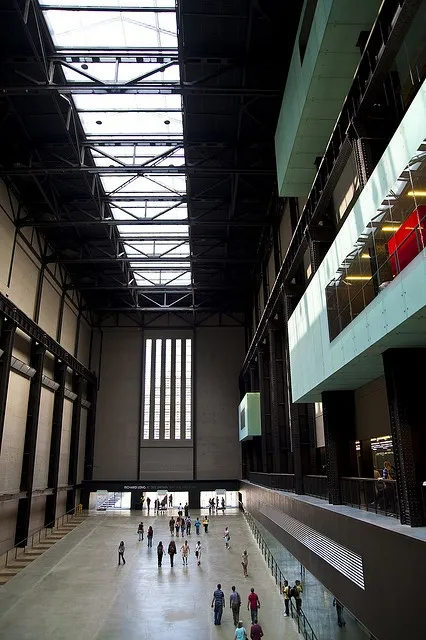 Photo: Tate Modern, via i.pinimg.com
This institutional recognition reflects growing understanding that healthcare art operates under unique creative pressures that often produce exceptional work. Artists must consider durability, infection control, patient psychology, and staff workflow whilst maintaining artistic integrity – constraints that frequently inspire innovative solutions.
Critic Sarah Williams notes that "some of Britain's most sophisticated contemporary art is being created for medical environments. The functional requirements force artistic innovation in ways that gallery work rarely achieves."
Financial Sustainability
Unlike many art market sectors, healthcare commissioning offers predictable revenue streams. The NHS capital investment programme guarantees continued building projects, whilst private healthcare expansion creates additional opportunities. Artists report that healthcare work provides financial stability that enables experimental gallery practice.
Tax advantages further enhance healthcare commissioning appeal. Many projects qualify for enhanced capital allowances, whilst ongoing maintenance contracts provide additional revenue streams. Some artists have established limited companies specifically to handle healthcare contracts, optimising tax efficiency whilst building sustainable creative businesses.
Future Expansion
The sector continues expanding beyond traditional hospital environments. Mental health facilities, care homes, and rehabilitation centres increasingly commission significant artistic installations. The recent announcement of forty new community diagnostic centres represents £2.8 billion in construction investment, with artistic commissioning mandatory for all projects.
International healthcare providers are also recognising British expertise in medical environment art. Recent overseas commissions include projects in Dubai, Singapore, and Toronto, where British artists' healthcare experience commands premium fees.
The Prestige Factor
Perhaps most significantly, healthcare commissioning no longer carries any professional stigma. The Venice Biennale 2024 included two works originally commissioned for NHS facilities, whilst the Turner Prize shortlist has featured healthcare-commissioned artists in three of the past five years.
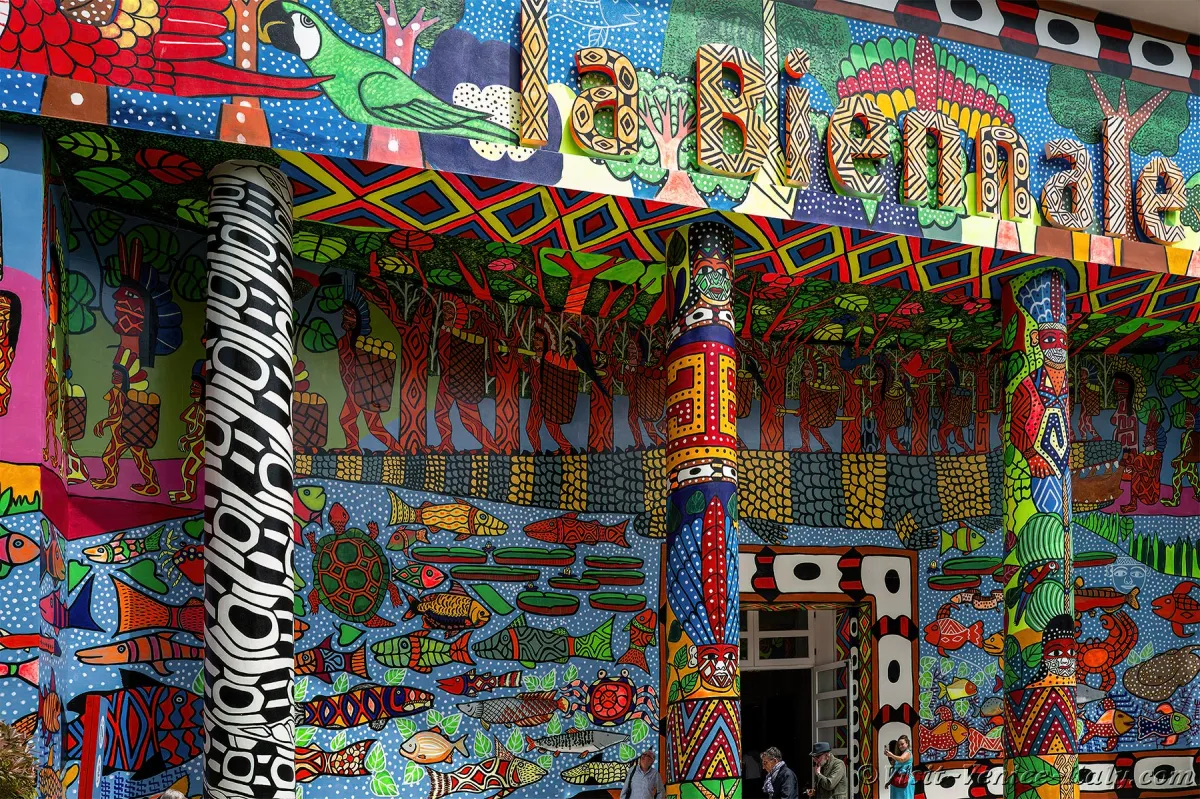 Photo: Venice Biennale, via visit-venice-italy.global.ssl.fastly.net
As artist Rebecca Thornton reflects: "Healthcare commissioning changed my entire practice. It provided financial security, creative challenge, and genuine social purpose. Most importantly, it taught me that art's highest function might be healing rather than decoration."
For British artists seeking sustainable creative careers, healthcare commissioning represents an opportunity that combines financial reward, artistic development, and meaningful social contribution – a combination rarely available in traditional art market relationships.