Focus Shift: British Photography Finally Claims Its Market Value

The Great Undervaluation
British photography has operated in a peculiar market paradox for decades. While the medium produced internationally recognised practitioners and groundbreaking artistic movements, collector pricing remained stubbornly depressed compared to painting and sculpture equivalents. This historical undervaluation is finally correcting itself, creating opportunities for astute collectors to acquire significant works at prices that may seem remarkable in retrospect.
The disparity was stark and largely inexplicable. A painting by an emerging British artist might command £5,000-£15,000, while a limited-edition photograph of comparable artistic merit and market positioning sold for £800-£2,500. This pricing gap persisted despite photography's acceptance within museum collections and critical discourse.
Technological Revolution Meets Artistic Maturity
Several converging factors are driving photography's market revaluation. Digital printing technology has reached unprecedented quality levels, enabling photographers to produce archival prints that rival traditional mediums for longevity and visual impact. The technical limitations that once relegated photography to secondary status have largely disappeared.
Contemporary British photographers like Rachel Morrison demonstrate this technological potential. Her large-scale landscape prints, produced using advanced pigment inks on museum-quality substrates, achieve tonal depth and colour saturation that surpass many traditional photographic processes. Morrison's recent exhibition sold out within days, with prices ranging from £3,500 to £12,000—figures that would have been unimaginable for British photography just five years ago.
The Edition Economy
Photography's edition-based market structure provides advantages that many collectors are beginning to appreciate. Unlike unique paintings, photographic editions offer multiple acquisition opportunities while maintaining scarcity through limited production runs. This structure democratises access to significant works while preserving investment potential.
Manchester photographer David Chen illustrates this dynamic effectively. His urban landscape series, produced in editions of twenty-five, provides collectors with museum-quality works at accessible price points. As Chen's reputation grows and editions sell out, early buyers benefit from appreciation while later collectors can still access his work through subsequent series.
The edition model also enables photographers to develop sustained relationships with collectors over time. Rather than single, expensive transactions, photographers can build collecting constituencies through multiple, reasonably priced acquisitions that evolve with both artist and collector.
Institutional Validation Drives Private Collecting
Museum acquisitions have played a crucial role in legitimising photography as a collectible medium. The Tate's recent major acquisition of contemporary British photography signals institutional confidence that influences private collector behaviour. When prestigious institutions commit acquisition budgets to photographic works, private collectors interpret this as validation of the medium's long-term significance.
Similarly, gallery representation has expanded dramatically. Galleries that previously focused exclusively on painting and sculpture now actively represent photographers, providing crucial market infrastructure that supports price development and collector confidence.
The Royal Academy's recent photography exhibitions have drawn substantial attendance, demonstrating public appetite for the medium that translates into collector interest. This institutional support creates positive feedback loops that benefit the entire British photography ecosystem.
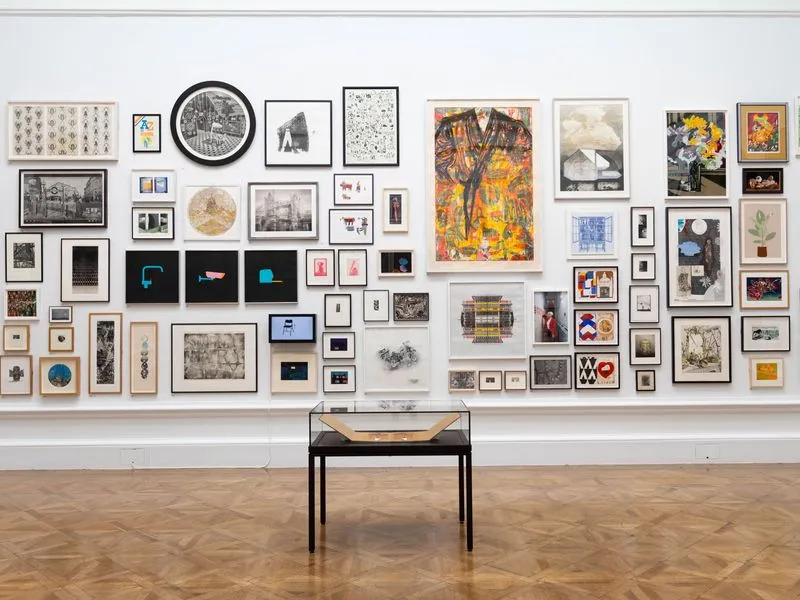 Photo: Royal Academy, via cloudinary.royalacademy.org.uk
Demographic Shifts in Collecting Behaviour
Younger collectors, particularly those under forty, demonstrate notably different attitudes toward photography compared to previous generations. Having grown up during photography's digital revolution, they view the medium without historical prejudices that influenced older collectors.
London gallerist Emma Thornton observes this generational difference directly: "Younger collectors evaluate photography purely on artistic merit rather than medium hierarchy. They're comfortable with digital processes and understand photography's contemporary relevance in ways that weren't obvious to collectors twenty years ago."
This demographic shift is particularly pronounced in urban markets where photography's documentary and conceptual approaches resonate with contemporary life experiences. Street photography, architectural studies, and social documentary work appeal to collectors whose daily environments reflect these themes.
Practical Advantages for New Collectors
Photography offers several practical benefits for collectors building initial art holdings. Storage requirements are significantly less demanding than paintings or sculptures—properly matted and framed photographs require minimal environmental controls while maintaining their condition over decades.
Shipping and insurance costs remain lower than comparable paintings, enabling collectors to acquire works from distant galleries or artists without prohibitive logistical expenses. This accessibility broadens market participation and supports price development across regional markets.
Framing costs, while not negligible, typically represent smaller proportions of total acquisition costs compared to painting conservation or sculpture installation requirements. These practical considerations make photography particularly attractive for collectors operating within defined budgets.
Market Segments and Price Development
The British photography market now encompasses distinct price segments that reflect varying collector priorities and budgets. Emerging photographers produce limited editions priced between £500-£2,000, providing entry points for new collectors while supporting artist development.
Mid-career practitioners command £2,000-£8,000 for significant works, competing directly with comparable painting and sculpture in this crucial market segment. Established photographers with international reputations achieve £8,000-£25,000 for major pieces, approaching price parity with other mediums.
These price levels reflect genuine market demand rather than artificial inflation. Galleries report strong sales across all segments, with many photographers developing waiting lists for new work—a clear indicator of supply-demand imbalances that support continued price appreciation.
Subject Matter and Contemporary Relevance
Contemporary British photography addresses themes that resonate powerfully with current collector sensibilities. Climate change documentation, urban development studies, and social inequality explorations provide artistic frameworks that feel immediately relevant to contemporary life.
Scottish photographer Helen MacLeod's series documenting renewable energy landscapes exemplifies this thematic relevance. Her work appeals to collectors interested in environmental issues while providing artistic interpretations of Britain's changing countryside. MacLeod's prints sell consistently in the £2,500-£6,000 range, demonstrating market appetite for topically engaged photography.
Similarly, photographers documenting Brexit's social and economic impacts find strong collector interest. These works function as both artistic statements and historical documents, appealing to collectors who value art's capacity to illuminate contemporary experience.
Future Market Prospects
Several indicators suggest continued growth in British photography's market position. Gallery representation continues expanding, museum acquisitions are increasing, and collector demographics are shifting toward photography-friendly generations.
Technological developments in printing and display continue improving the medium's competitive position relative to traditional art forms. Large-scale printing capabilities enable photographers to create works with architectural presence that compete effectively with paintings for wall space and visual impact.
The global art market's increasing acceptance of photography provides additional support for British practitioners. As international collectors become more comfortable with photographic acquisitions, British photographers benefit from expanded market access and price support.
For collectors considering photography acquisitions, current market conditions present compelling opportunities. The medium's historical undervaluation is correcting itself, but prices remain accessible relative to comparable works in other mediums. This combination of artistic quality, market momentum, and relative affordability makes British photography particularly attractive for both new and experienced collectors seeking to diversify their holdings while supporting a dynamic and rapidly evolving artistic medium.