Inheritance Interruption: How Britain's Estate Clearances Create Contemporary Art Opportunities
The Great Wall Emptying
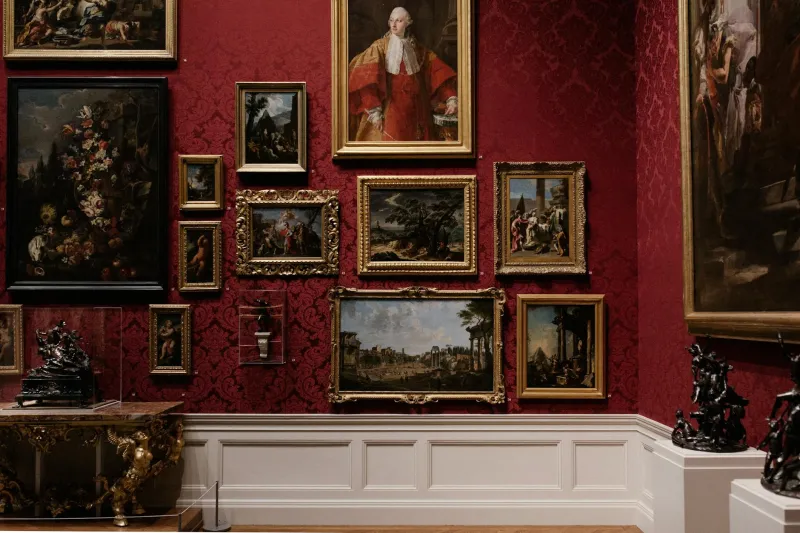
Every year, approximately 600,000 British households navigate the probate process, and with it comes a systematic redistribution of accumulated artworks that has been quietly reshaping the contemporary art market. What emerges from this data isn't just statistical—it represents the largest peaceful transfer of wall space in British history, creating unprecedented opportunities for living artists.
The numbers tell a compelling story. According to probate specialists handling high-net-worth estates, roughly 78% of inherited artwork collections are partially or completely dispersed within 18 months of inheritance. The reasons vary—from practical space constraints to emotional disconnection from previous generations' aesthetic choices—but the result remains consistent: empty walls seeking new artistic voices.
The Replacement Economics
When a Victorian landscape or mid-century abstract leaves a family collection, it creates more than just blank wall space. It generates what art market analysts term "replacement demand"—a specific type of purchasing behaviour driven by the desire to maintain cultural status whilst expressing contemporary identity.
Jessica Hartwell, a contemporary art adviser specialising in estate transitions, observes this pattern regularly: "Inheritors rarely leave walls empty. They want art that reflects their values and aesthetics, but they also understand the social and financial functions that art serves in their homes. This creates a sweet spot for contemporary British artists whose work can fulfil both emotional and investment criteria."
 Photo: Jessica Hartwell, via www.njuskalo.hr
The financial dynamics prove particularly interesting. Inherited artwork often sells for less than current market value due to emotional urgency and unfamiliarity with proper valuation. However, the proceeds frequently exceed inheritors' expectations, creating discretionary budgets specifically earmarked for contemporary acquisitions.
Regional Patterns and Artist Positioning
The geographic distribution of these opportunities follows predictable patterns tied to wealth concentration and property values. The Home Counties, Edinburgh's New Town, and Bath's Georgian terraces see the highest volumes of estate clearances involving significant artwork, but the replacement purchasing often occurs in different locations as inheritors relocate or redistribute assets.
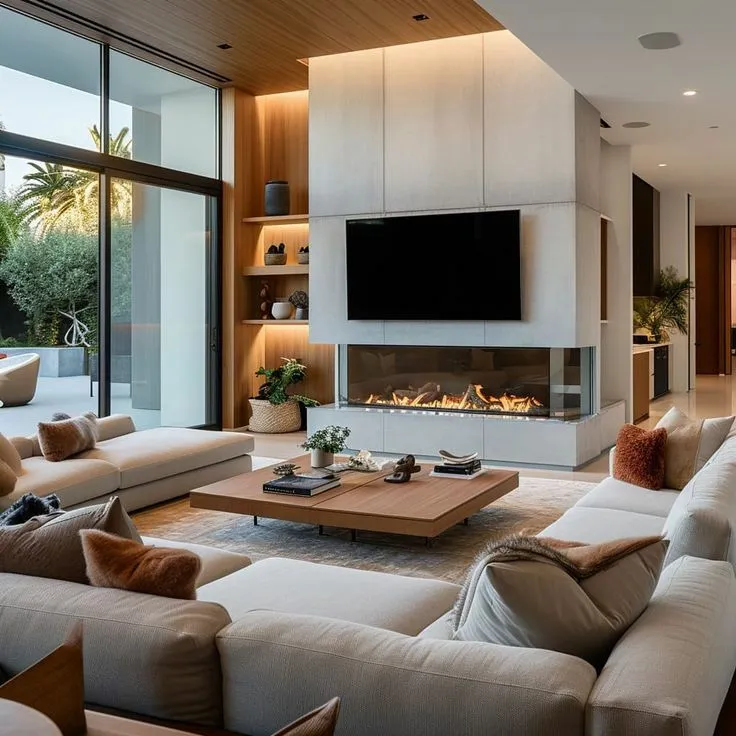 Photo: Home Counties, via i.pinimg.com
This geographic scatter has proved advantageous for British artists working outside traditional art centres. A landscape painter in the Cotswolds might find their work replacing a departed family portrait in a London townhouse, whilst a contemporary sculptor from Yorkshire could fill the space once occupied by inherited ceramics in a Brighton residence.
The Emotional Calculus of Replacement
The psychology driving these purchasing decisions differs markedly from traditional art collecting. Inheritors approach contemporary art with what researchers identify as "legacy anxiety"—a desire to honour family cultural values whilst asserting personal identity. This creates demand for work that bridges traditional and contemporary aesthetics.
British artists who understand this dynamic are positioning their work accordingly. Sarah Chen, whose mixed-media pieces regularly sell to estate-clearing families, explains her approach: "I create work that feels rooted in British artistic traditions but speaks to contemporary concerns. Inheritors want pieces that wouldn't embarrass their grandparents but wouldn't bore their children either."
 Photo: Sarah Chen, via cdn.prod.website-files.com
The Valuation Bridge
A crucial component of this market involves the specialist valuers and estate agents who facilitate the transition from inherited to contemporary collections. These professionals increasingly serve as informal art advisers, helping families understand both the value of departing pieces and the investment potential of contemporary alternatives.
Mark Thompson, a chartered surveyor specialising in probate valuations, notes the evolution of his role: "Twenty years ago, I simply assessed what families owned. Now I'm often asked to recommend contemporary artists whose work might appreciate similarly to the pieces being sold. It's become part cultural consultation, part financial planning."
Market Timing and Artist Strategy
The probate art market operates on different timescales than traditional galleries. Estate clearances often occur under time pressure, creating opportunities for artists who can respond quickly to specific requests. Conversely, replacement purchasing tends to be more deliberate, as inheritors take time to understand their new aesthetic preferences and financial parameters.
Savvy British artists are developing relationships with estate specialists, probate lawyers, and family wealth advisers who can provide early intelligence about upcoming opportunities. This network approach proves particularly effective for artists whose work complements traditional British collecting patterns—landscapes, portraits, and still lifes rendered with contemporary techniques and perspectives.
Investment Implications and Future Trends
The financial implications extend beyond individual transactions. As baby boomers continue to pass substantial art collections to younger generations, the scale of this replacement market will likely increase significantly over the next decade. Simultaneously, inheritors' preference for contemporary work is creating sustained demand that supports higher prices for living British artists.
The trend also reflects broader changes in how Britons relate to cultural inheritance. Rather than preserving family collections intact, younger inheritors prefer curating personal collections that reflect their values whilst maintaining the social and financial functions that art serves in affluent households.
The Authenticity Premium
Perhaps most significantly, work acquired through estate-transition channels often commands premium prices in secondary markets. The provenance story—contemporary British art purchased to replace family heirlooms—adds narrative value that collectors find compelling. This "replacement provenance" is becoming a recognised category in auction catalogues, suggesting the phenomenon's permanent integration into British art market dynamics.
For contemporary British artists, understanding and engaging with this inheritance-driven demand represents a sophisticated approach to career development that acknowledges both the emotional and financial functions their work serves in collectors' lives.