Between the Stacks: Public Libraries Emerge as Britain's Most Democratic Art Discovery Venues
The Unexpected Gallery Network
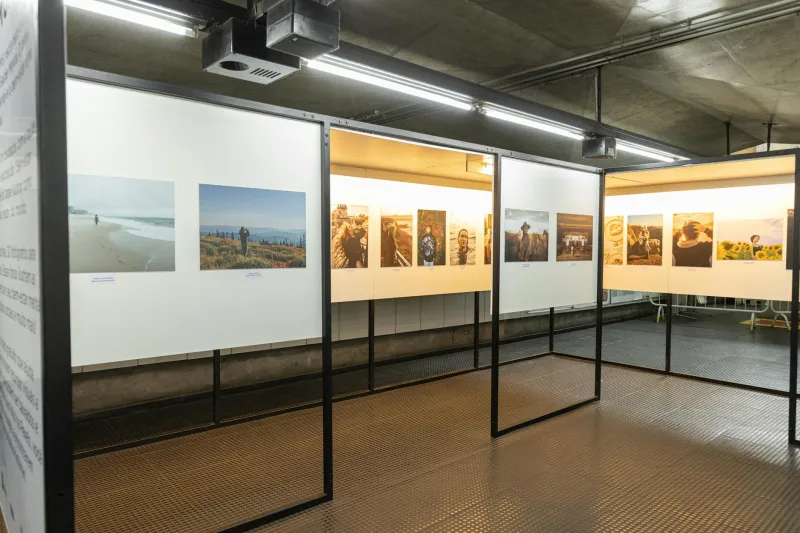
Walk into Peckham Library on any Tuesday afternoon, and you might discover your next art purchase hanging beside the large-print fiction section. Britain's public libraries have evolved far beyond their traditional role as book repositories, emerging as perhaps the most democratic art exhibition network in the country. From grand Victorian reading rooms to modern community hubs, these spaces are connecting ordinary people with extraordinary art in ways that traditional galleries often fail to achieve.
 Photo: Peckham Library, via i.ytimg.com
The transformation began quietly, born from necessity rather than grand strategy. As local authorities faced budget pressures, libraries sought additional revenue streams and community engagement opportunities. What emerged was a network of exhibition spaces that strips away the intimidation factor many associate with formal galleries, creating environments where art discovery feels natural rather than performative.
The Accessibility Advantage
Librarian-turned-curator Janet Mills at Hebden Bridge Library explains the unique appeal: "People come here for everyday reasons – to return books, use computers, attend story time with children. They encounter art organically, without the psychological barriers that gallery spaces can create. There's no pressure to understand or purchase, which paradoxically makes them more likely to engage genuinely."
 Photo: Hebden Bridge Library, via i.ytimg.com
This relaxed discovery process yields surprising commercial results. Artist Tom Bradley, whose watercolour series of Yorkshire dales debuted at Skipton Library, sold seven pieces during the exhibition's six-week run. More significantly, three collectors continue following his work eighteen months later. "The library audience approached my paintings differently," Bradley notes. "They asked about technique, inspiration, the stories behind each scene. It felt like genuine curiosity rather than investment calculation."
Community-Rooted Collecting
The library exhibition model fosters a distinctly local approach to art collecting. Unlike metropolitan galleries where international collectors compete for attention-grabbing pieces, library exhibitions cultivate relationships between artists and their immediate communities. This geographic intimacy often translates into long-term patronage relationships.
Market gardener and art collector Susan Richards discovered sculptor Helen Park's ceramic work at Totnes Library three years ago. Since then, she has commissioned four pieces and regularly attends Park's exhibitions across Devon. "I never considered myself an art collector," Richards admits. "But seeing Helen's work in such an unpretentious setting made it feel accessible. Now I can't imagine my home without her pieces."
This pattern repeats across Britain's library network. Local collectors develop loyalty to artists they first encountered browsing the biography section, creating sustainable career foundations that extend beyond single sales.
The Curatorial Challenge
Library-based exhibitions require careful curation that balances artistic merit with community accessibility. Manchester Central Library's Arts Coordinator, David Chen, describes the selection process: "We seek work that invites conversation rather than demands expertise. The best library exhibitions create bridges between artistic sophistication and everyday experience."
 Photo: Manchester Central Library architecture, via thumb-lvlt.xhcdn.com
This approach has yielded remarkable success stories. Photographer Sarah Ahmed's documentary series on Manchester's changing neighbourhoods, first exhibited at Central Library, attracted attention from both local residents and national media. The resulting commissions established her practice whilst the original prints, priced accessibly for library visitors, sold completely within the exhibition's first week.
Digital Integration
Modern library exhibitions increasingly incorporate digital elements that extend their reach beyond physical visits. QR codes link to artist interviews, virtual gallery tours reach homebound community members, and social media campaigns connect library exhibitions with broader art networks. This hybrid approach maximises both artistic exposure and commercial opportunity.
Birmingham's Library of Birmingham pioneered digital integration with its 'Artists in Residence' programme. Participating artists create work inspired by the library's collections whilst maintaining active social media documentation. The resulting online engagement regularly exceeds in-person exhibition attendance, creating collector interest that spans geographic boundaries.
Economic Impact
The financial benefits extend beyond individual artist sales. Libraries report increased visitor numbers during exhibitions, with many patrons discovering additional services. Book borrowing often increases during art exhibitions as visitors explore related subjects, whilst café and event attendance rises significantly.
Councillor Margaret Thompson, Cabinet Member for Culture in Newcastle, emphasises the broader economic value: "Library exhibitions generate cultural tourism, support local artists, and demonstrate our commitment to community creativity. The return on investment extends far beyond direct sales figures."
Future Expansion
The success of library exhibitions is inspiring systematic expansion across Britain's public library network. Arts Council England recently announced funding for 'Creative Libraries,' a programme supporting exhibition infrastructure in fifty libraries nationwide. The initiative recognises libraries' unique position as trusted community spaces where art can reach audiences often excluded from traditional cultural venues.
Private sector partnerships are emerging as galleries recognise libraries' audience development potential. Several London galleries now rotate exhibitions through suburban library branches, using these spaces to identify and cultivate new collectors before introducing them to primary gallery locations.
The Democratic Revolution
What makes library exhibitions particularly significant is their role in democratising art ownership. Unlike galleries where price points often exclude working families, library exhibitions frequently feature affordable works specifically chosen for local purchasing power. This accessibility creates new collector demographics whilst providing artists with sustainable income streams.
The library effect represents more than alternative exhibition space – it embodies a fundamental shift toward inclusive cultural participation. By positioning art within familiar, non-threatening environments, libraries are expanding Britain's collector base whilst providing artists with authentic community connections that traditional gallery systems often fail to deliver.
As one collector noted after purchasing her first original artwork from a library exhibition: "I never thought art was for people like me. The library showed me it absolutely is."