The Death of Generic Office Art
Walk through the corridors of Britain's most progressive businesses today, and you'll notice something remarkable: the ubiquitous motivational posters and mass-produced landscape prints are disappearing. In their place, original paintings, sculptures, and mixed-media installations are transforming corporate spaces into dynamic cultural environments that reflect company values whilst supporting contemporary artistic practice.
This shift represents more than aesthetic preference. British businesses are discovering that investing in original art delivers measurable returns in employee satisfaction, client perception, and brand differentiation. For artists, it has opened an entirely new revenue stream that bypasses traditional gallery structures whilst providing steady, substantial income opportunities.
The Business Case for Original Art
Tech startup Mindful Solutions relocated to Manchester's Northern Quarter last year, commissioning fifteen original pieces from local artists for their new headquarters. CEO Sarah Chen explains the decision: "We wanted our space to reflect our company's creativity and connection to the local community. Generic art couldn't achieve that."
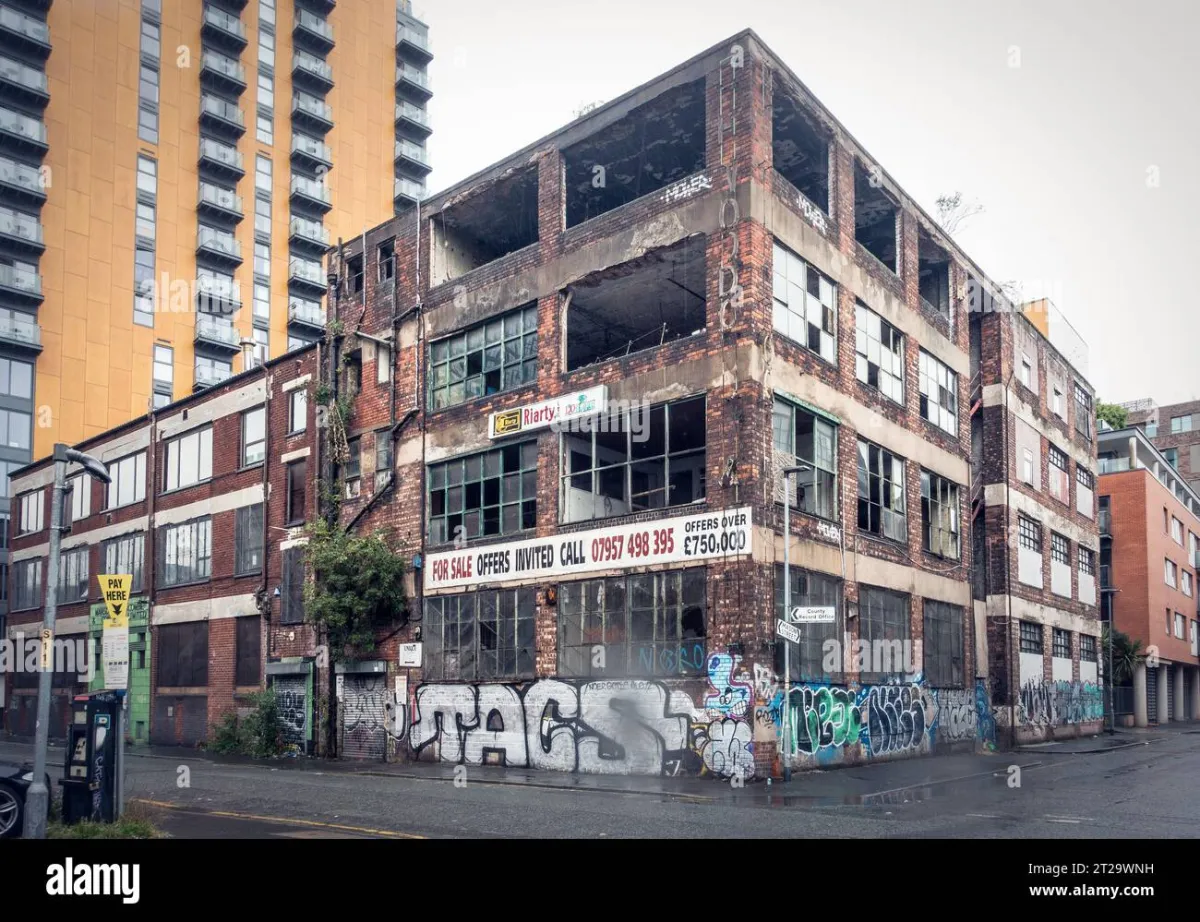 Photo: Manchester's Northern Quarter, via c8.alamy.com
The investment—£18,000 across multiple artists—has delivered unexpected returns. Staff report higher workplace satisfaction scores, while client feedback consistently mentions the inspiring environment. More significantly, the company has used their art collection as a differentiator in recruitment, with several key hires specifically citing the creative workspace as a factor in their decision to join.
Chen's experience reflects broader research suggesting that workplace art investment correlates with improved employee wellbeing, enhanced creative thinking, and stronger company culture. A recent study by the University of Exeter found that employees in art-rich environments demonstrated 15% higher productivity levels compared to those in generic office settings.
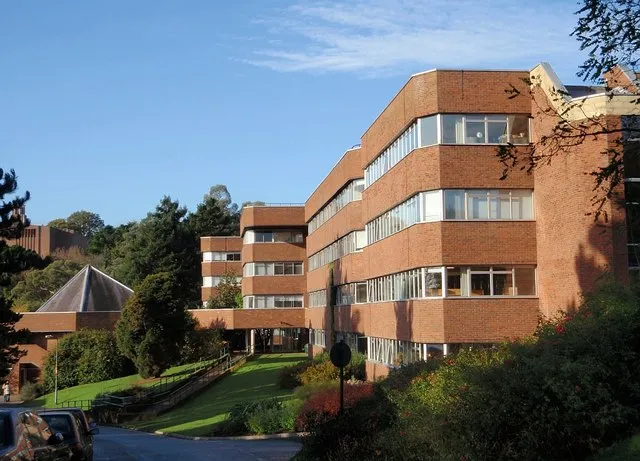 Photo: University of Exeter, via s0.geograph.org.uk
Direct Artist Partnerships
Unlike traditional corporate art procurement—which typically involved contract furnishing companies selecting from limited catalogues—today's businesses are increasingly working directly with artists. This approach offers companies unique, site-specific work whilst providing artists with better financial returns and creative control.
London-based artist Marcus Webb has built a thriving practice around corporate commissions, creating large-scale abstract works for financial services firms, law practices, and technology companies. His pieces, typically priced between £3,000-15,000, often incorporate company colours or reflect industry themes whilst maintaining his distinctive artistic voice.
"Working directly with businesses has been transformative," Webb explains. "I earn more per piece, develop ongoing relationships with collectors who understand my work, and create art that will be seen by hundreds of people daily rather than hanging in someone's private home."
This direct relationship model benefits both parties. Companies receive personalised service and unique work that cannot be replicated by competitors, while artists avoid gallery commissions and develop reliable income streams from repeat corporate clients.
The Wellness Connection
The corporate art renaissance aligns with growing recognition of workplace wellness as business priority. Companies investing millions in ergonomic furniture, natural lighting, and open-plan designs are discovering that thoughtfully selected artwork completes the equation, creating environments that support both productivity and mental health.
Accounting firm Peterson & Associates commissioned textile artist Jane Morrison to create a series of large-scale weavings for their Birmingham offices, specifically requesting work that would provide visual respite from screen-intensive work. The resulting pieces, incorporating natural fibres and calming colour palettes, have become focal points for informal meetings and stress relief breaks.
"Our staff spend eight hours a day in this space," explains office manager David Patterson. "Investing in art that makes those hours more pleasant and inspiring seems like obvious business sense."
The wellness angle has particular appeal for companies seeking to attract and retain talent in competitive markets. Young professionals, especially, report valuing employers who demonstrate cultural awareness and investment in employee experience beyond basic compensation packages.
Practical Implementation Strategies
Successful corporate art programmes require strategic planning that considers budget, space requirements, and company culture. Many businesses begin with modest investments—perhaps commissioning one or two pieces for reception areas—before expanding throughout their facilities as they witness positive responses.
Budget considerations vary widely, but most companies allocate 1-3% of office fit-out costs to original artwork. For a typical small business office renovation costing £50,000, this translates to £500-1,500 for art investment—sufficient for several original pieces from emerging or mid-career artists.
Location planning proves crucial for maximising impact. High-traffic areas like reception spaces, conference rooms, and staff kitchens offer maximum visibility, while quieter zones might feature more contemplative work suitable for reflection or private conversations.
Artist Opportunities and Approaches
For artists seeking corporate clients, success requires understanding business needs whilst maintaining artistic integrity. Companies typically prefer work that complements their brand identity without being overly commercial or controversial. This creates opportunities for artists willing to adapt their practice to professional environments whilst retaining their distinctive voice.
Networking proves essential, with many successful corporate artists building relationships through local business groups, chamber of commerce events, and professional associations. Social media presence becomes particularly important, as decision-makers often research artists online before commissioning work.
Pricing strategies for corporate work typically exceed gallery prices, reflecting the commercial context and exclusive nature of commissions. Artists report that businesses are often willing to pay premium rates for original work, especially when they understand the value proposition compared to mass-produced alternatives.
Case Study: Regional Success Stories
Manchester-based law firm Hartwell & Partners provides an exemplary model of corporate art investment. Over three years, they have commissioned work from twelve different regional artists, creating a rotating exhibition programme that showcases local talent whilst keeping their office environment fresh and engaging.
Partner Rebecca Hartwell explains their approach: "We view ourselves as patrons of local arts community. Our investment supports artists whilst creating a unique environment for our team and clients. It's proven excellent for business development—clients often comment on specific pieces, creating natural conversation starters."
The firm's collection, now valued at over £30,000, has become a marketing asset in itself, featured in professional publications and social media content that reinforces their brand as forward-thinking and culturally engaged.
Digital Platforms and Future Trends
Technology is streamlining the process of connecting artists with corporate clients. Platforms specialising in workplace art are emerging, offering businesses curated selections of original work whilst providing artists with access to commercial markets previously difficult to penetrate.
Virtual reality tools allow companies to visualise how artworks will appear in their spaces before commissioning, reducing risk and enabling more confident investment decisions. Augmented reality applications are being developed to help businesses understand scale and placement considerations for potential acquisitions.
The trend toward flexible working arrangements is also creating opportunities, as companies invest more heavily in creating appealing office environments to encourage staff attendance. Art investment becomes part of broader strategies to make physical workspaces more attractive than home offices.
Measuring Return on Investment
Progressive companies are developing metrics to assess their art investment returns. Beyond anecdotal feedback about improved workplace satisfaction, some organisations track recruitment success rates, client retention figures, and employee engagement scores before and after implementing art programmes.
Preliminary data suggests that businesses investing in original art experience measurable improvements across multiple performance indicators. While correlation does not prove causation, the consistency of positive results is encouraging further corporate investment in artistic programmes.
The Cultural Impact
Beyond commercial considerations, the corporate art renaissance is creating significant cultural benefits. Artists gain access to new revenue streams that support sustainable creative careers, while businesses become active participants in their local arts ecosystems rather than passive observers.
This democratisation of art patronage—moving beyond wealthy individual collectors to include businesses of all sizes—is reshaping how contemporary art finds its audience and funding. For platforms like Gallery Top, facilitating these connections between artists and corporate clients represents both commercial opportunity and cultural mission fulfilled.