The New Elite
The British art establishment has long operated as an exclusive club, where success often hinged more on postcodes and pedigree than pure talent. Yet a remarkable shift is occurring across the contemporary art landscape, as artists from council estates, single-parent households, and working-class communities are not merely breaking into the upper echelons of the market—they're redefining them entirely.
This transformation represents more than individual success stories; it signals a fundamental restructuring of how artistic value is determined and cultural capital is accumulated in modern Britain. The traditional pathways through prestigious art schools, family connections, and inherited wealth are being bypassed by creators who understand that authenticity and digital savvy can prove more valuable than an Oxbridge education.
Digital Democracy in Action
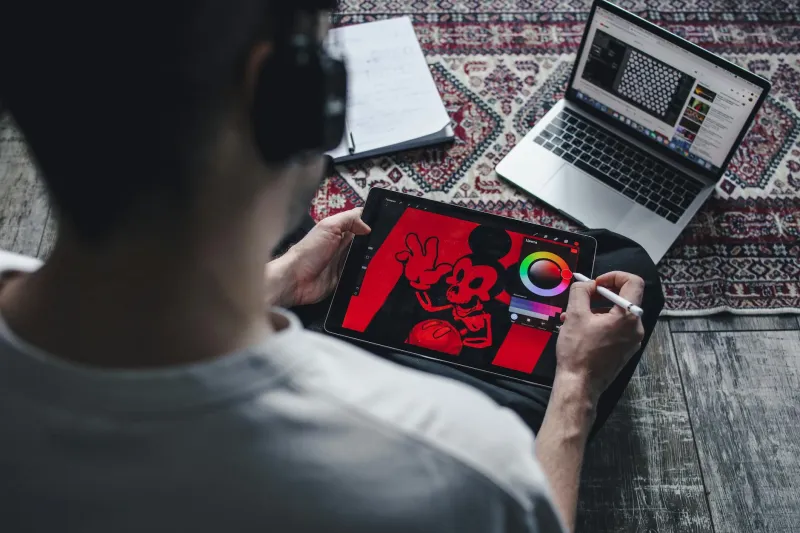
The democratisation of the art market has accelerated dramatically through digital platforms. Artists who might previously have struggled to access gallery representation are now building substantial followings and generating significant revenue through online channels. Social media algorithms don't discriminate based on accent or family background—they respond to engagement, creativity, and consistency.
Take the phenomenon of artists who began sharing their work on platforms like TikTok and Instagram, building audiences of hundreds of thousands without ever setting foot in a Mayfair gallery. These creators understand their audiences intimately, speaking directly to communities that have historically felt excluded from traditional art spaces. Their work often reflects experiences and perspectives that resonate with buyers who see themselves represented for the first time in contemporary art.
The financial implications are staggering. Where previous generations of working-class artists might have struggled for decades to achieve recognition, today's digital-native creators can build six-figure businesses within years of graduation. Limited edition prints, direct commissions, and merchandise sales through e-commerce platforms provide revenue streams that bypass traditional gallery commission structures entirely.
Navigating Cultural Capital
However, the journey from council estate to collector dinner isn't without its complexities. Many artists describe a peculiar form of cultural code-switching, learning to navigate environments where their backgrounds become both their greatest asset and their most significant challenge. The authenticity that makes their work compelling in digital spaces can feel performative in traditional art world settings.
Private views and auction previews often require a different kind of performance—one that many working-class artists report feeling unprepared for despite their commercial success. The unspoken rules of networking, the casual references to shared cultural touchstones, and the assumption of certain educational backgrounds create barriers that persist even after financial success has been achieved.
Yet this navigation process is itself becoming part of the artistic narrative. Many creators are documenting their experiences of class mobility through their work, creating pieces that examine the psychological and social costs of success within systems that weren't designed for people like them.
The Collector Connection
Interestingly, the rise of working-class artists has coincided with changes in collector behaviour. Younger collectors, particularly those who have built wealth through technology or entrepreneurship rather than inheritance, are actively seeking out artists whose backgrounds and perspectives differ from traditional offerings. They're drawn to work that reflects contemporary British experiences rather than perpetuating historical narratives of privilege.
This shift has created opportunities for artists to build relationships with collectors who value their perspectives precisely because they differ from the establishment norm. These collectors often prefer the direct access that digital platforms provide, bypassing traditional gallery intermediaries to engage directly with artists about their work and process.
Institutional Adaptation
Established galleries and auction houses are taking notice. Many are adapting their recruitment practices, exhibition programming, and marketing strategies to engage with these new voices and their audiences. However, questions remain about whether these changes represent genuine structural reform or merely surface-level adjustments designed to capture emerging market opportunities.
The most successful adaptations appear to involve fundamental changes to how institutions operate rather than simply adding diversity to existing frameworks. This includes reconsidering pricing structures, exhibition formats, and the language used to discuss and promote work.
Looking Forward
The transformation of Britain's art market reflects broader societal changes around class, technology, and cultural value. As traditional gatekeepers lose their monopoly on taste-making and market access, we're witnessing the emergence of a more pluralistic and economically diverse creative landscape.
For emerging artists from working-class backgrounds, the current moment presents unprecedented opportunities alongside persistent challenges. The tools for building careers exist as never before, but navigating the cultural complexities of success within traditionally exclusive spaces requires new forms of cultural literacy.
The question facing the British art world isn't whether this change will continue—the economic and cultural forces driving it are too powerful to reverse. Rather, the challenge lies in ensuring that increased representation translates into lasting structural change that benefits future generations of artists from all backgrounds.
As these artists continue to build their careers and influence, they're not just changing who participates in the art market—they're fundamentally altering what British art looks like, sounds like, and represents in the 21st century.