The Unexpected Academy
Whilst art schools debate theoretical frameworks and galleries maintain their selective gatekeeping, a parallel education system has emerged across Britain's village halls, market squares, and community centres. The weekend craft fair circuit—once dismissed as the domain of amateur hobbyists—has quietly evolved into one of the most effective career development platforms for visual artists seeking sustainable, independent practices.
From the bustling Portobello Market in London to the intimate makers' fairs dotting the Scottish Highlands, these grassroots events are producing a generation of artists who understand commerce as intimately as composition. They represent a fundamental shift in how creative careers are built, moving away from institutional validation towards direct audience engagement and market responsiveness.
Learning Through Selling
Sarah Henderson's journey exemplifies this transformation. After completing her fine art degree at Leeds, she found herself struggling to navigate the traditional gallery system. "I had the technical skills but no understanding of how to value my work or communicate with collectors," she recalls. A chance encounter with a local craft fair organiser changed everything.
"That first Saturday morning in Harrogate market taught me more about my practice than three years of tutorials," Henderson explains. "When someone holds your painting and asks why it costs £200, you learn to articulate your process in ways that academic critique never prepared you for."
Henderson's experience reflects a broader pattern emerging across Britain's creative landscape. These weekend events function as intensive masterclasses in pricing psychology, customer service, and brand development—skills rarely emphasised in formal art education but essential for career sustainability.
The Circuit's Hidden Curriculum
The craft fair ecosystem operates on principles that mirror the broader art market whilst remaining accessible to emerging artists. Regular participants develop sophisticated understanding of seasonal buying patterns, regional preferences, and the delicate balance between artistic integrity and commercial viability.
Mark Thompson, who organises monthly makers' markets across the Cotswolds, observes this evolution firsthand. "We're seeing artists who started selling handmade cards now exhibiting in established galleries. The circuit teaches them to read audiences, adapt their offerings, and build genuine collector relationships."
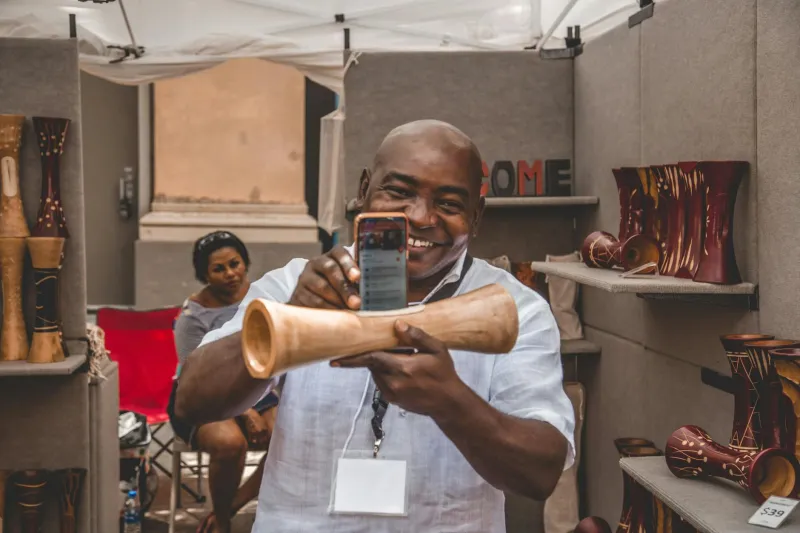
Thompson's events have become informal incubators for artistic careers. Artists learn to curate their stall presentations like mini-exhibitions, developing skills in display, lighting, and visitor engagement that translate directly to gallery environments.
Regional Variations and Opportunities
Britain's craft fair landscape reflects the nation's cultural diversity, with distinct regional characteristics that savvy artists learn to navigate. Northern markets favour bold, practical pieces that speak to industrial heritage, whilst Southern venues often embrace more conceptual work aligned with metropolitan tastes.
In Wales, traditional craft fairs have embraced contemporary visual art, creating hybrid events that blur boundaries between artisan production and fine art practice. Artist Cerys Williams credits Cardiff's Makers Quarter with transforming her textile practice from hobby to profession.
"The Welsh craft scene values storytelling and cultural connection," Williams explains. "Visitors want to understand the narrative behind each piece. This environment taught me to embed meaning in ways that resonate with collectors who might never step foot in a white cube gallery."
Digital Integration and Evolution
The craft fair circuit has adapted remarkably to digital transformation, with many events now functioning as hybrid experiences that bridge physical and online engagement. Artists use weekend markets as content creation opportunities, documenting their processes and collector interactions for social media audiences.
This integration has expanded the circuit's educational value. Artists develop digital marketing skills whilst maintaining face-to-face customer relationships, creating comprehensive business competencies that serve them across multiple platforms.
James Mitchell, whose abstract paintings gained recognition through Norfolk's craft fair circuit, now maintains an international collector base developed through these local connections. "The fairs taught me that every interaction is potentially global now. A conversation at Burnham Market can lead to a commission in New York."
Financial Literacy Through Practice
Perhaps most significantly, the craft fair circuit provides practical financial education that formal art training often overlooks. Artists learn cash flow management, seasonal planning, and profit margin calculations through direct experience rather than theoretical study.
This hands-on business education proves invaluable as careers develop. Artists who've navigated craft fair economics demonstrate sophisticated understanding of pricing strategies, market positioning, and collector psychology when they eventually engage with traditional gallery representation.
The Collector Connection
The craft fair environment creates unique opportunities for artist-collector relationships that bypass traditional intermediaries. Collectors appreciate the direct access to creators and the stories behind individual works. This personal connection often results in stronger brand loyalty and ongoing patronage relationships.
Many collectors who discover artists through craft fairs continue supporting their work as careers evolve, creating sustainable income streams that don't depend on gallery representation or institutional validation.
Looking Forward
As Britain's art market continues evolving, the craft fair circuit represents a democratic alternative to traditional career pathways. These events provide accessible entry points for artists from diverse backgrounds whilst maintaining high standards for creative quality and professional presentation.
The weekend warriors of Britain's craft fair scene are quietly redefining what artistic success looks like, building sustainable practices rooted in community engagement and direct market response. Their influence on the broader art ecosystem will likely expand as collectors increasingly value authentic connections with the artists whose work they acquire.
For emerging artists seeking alternatives to traditional gallery pathways, the craft fair circuit offers proven strategies for career development, financial sustainability, and audience building—all whilst maintaining creative integrity and personal artistic vision.