The Unexpected Renaissance
Britain's ceramic scene is experiencing an extraordinary transformation. What began as therapeutic weekend pursuits in garden sheds and community centres across the country has evolved into a sophisticated collectibles market that commands serious attention from galleries, auction houses, and discerning collectors.
The trajectory from amateur potter to collectible artist represents more than individual success stories—it signals a fundamental shift in how Britain values handmade craft and positions it within the contemporary art landscape.
Cultural Catalysts Driving Change
Television programming has played an unexpectedly pivotal role in elevating ceramic arts. The Great Pottery Throw Down has transformed public perception of pottery from dusty craft fair offerings to compelling contemporary art practice. This visibility has created unprecedented interest in British ceramic work, with viewers seeking to acquire pieces that demonstrate similar technical mastery and creative vision.
Social media platforms have amplified this effect, allowing ceramic artists to build substantial followings and direct sales channels. Instagram's visual format particularly suits ceramic work, enabling artists to showcase both finished pieces and process documentation that collectors increasingly value.
From Therapeutic Practice to Market Recognition
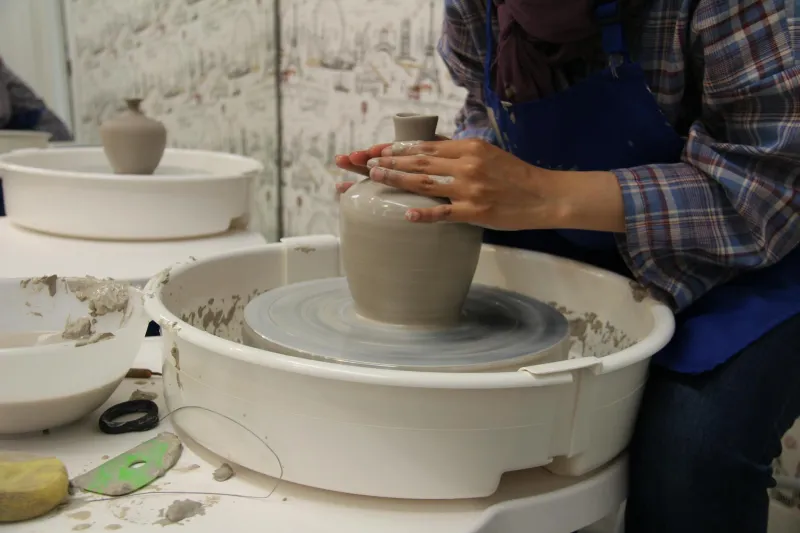
Many of today's sought-after ceramic artists began their practice as stress relief from demanding professional careers. Sarah Mitchell, whose wheel-thrown vessels now appear in prominent London galleries, started pottery classes whilst working in financial services. "I never imagined my evening hobby would become my primary income stream," Mitchell reflects. "The transition happened gradually as collectors began recognising the quality and consistency of the work."
This pattern repeats across Britain's ceramic landscape. Weekend potters have discovered that sustained practice, combined with genuine artistic vision, creates work that resonates with collectors seeking authentic, handmade pieces in an increasingly digital world.
Market Dynamics and Collector Interest
Gallery director James Hartwell of Contemporary Ceramics notes a marked increase in collector inquiries for British ceramic work. "Five years ago, we primarily sold established names. Now collectors actively seek emerging British ceramicists whose work demonstrates technical excellence and distinctive aesthetic vision."
The price trajectory reflects this growing interest. Pieces that might have sold for £50 at local craft fairs now command £500-£2,000 through gallery representation. Exceptional works by artists who have gained critical recognition reach significantly higher valuations at auction.
Technical Excellence as Market Differentiator
What separates collectible ceramic work from hobbyist production centres on technical mastery and artistic consistency. Collectors examine glazing techniques, form refinement, and the artist's ability to develop a recognisable aesthetic vocabulary.
Ceramic artist David Thompson, whose work recently appeared at Phillips auction house, emphasises the importance of sustained development. "Collectors can distinguish between someone who throws pots occasionally and an artist who has dedicated years to understanding clay, glazes, and firing techniques. The work speaks for itself."
Regional Variations and Local Identity
Britain's ceramic renaissance reflects strong regional characteristics. Yorkshire potters often emphasise robust, functional forms that reference the county's industrial heritage. Scottish ceramicists frequently incorporate landscape influences and traditional firing techniques. These regional identities add collectibility by connecting pieces to specific cultural contexts.
Collector Amanda Richardson focuses exclusively on contemporary British ceramics. "I'm drawn to work that reflects its maker's environment and cultural background. British ceramicists are creating pieces that couldn't emerge anywhere else—that specificity makes them compelling as collectibles."
Gallery Representation and Career Development
The transition from hobbyist to represented artist requires strategic career development. Successful ceramic artists typically progress through craft fairs, group exhibitions, and online sales before securing gallery representation. This progression allows collectors to discover artists at various price points whilst providing artists with sustainable income streams.
Gallery representation validates artistic practice and provides professional infrastructure for serious collectors. Galleries offer authentication, provenance documentation, and ongoing artist support that individual sales cannot provide.
Investment Potential and Market Outlook
Whilst ceramic collecting shouldn't be viewed purely as financial investment, the market demonstrates encouraging trends for quality British work. Pieces by artists who have achieved critical recognition show consistent value appreciation, particularly when acquired early in the artist's career.
Auction results indicate growing institutional interest in contemporary British ceramics. Major auction houses now regularly include ceramic works in contemporary art sales, signalling market maturation and broader acceptance within fine art circles.
The Future of British Ceramic Collecting
Britain's ceramic market appears positioned for continued growth. Educational institutions report increased enrollment in ceramic programmes, suggesting a pipeline of emerging talent. Collector interest remains strong, supported by growing appreciation for handmade objects and authentic artistic practice.
The kitchen table to Christie's pipeline represents more than individual success stories—it demonstrates Britain's capacity to recognise and nurture artistic talent across traditional boundaries. As this market continues developing, collectors have opportunities to acquire exceptional work whilst supporting artists who have transformed weekend hobbies into significant cultural contributions.
For collectors considering ceramic acquisitions, the current moment offers access to established artists whose work shows consistent development alongside emerging talents whose practices demonstrate serious artistic commitment. The transformation of British ceramic arts from hobby to collectible represents a remarkable cultural achievement worthy of serious collector attention.