Beyond the Studio Walls
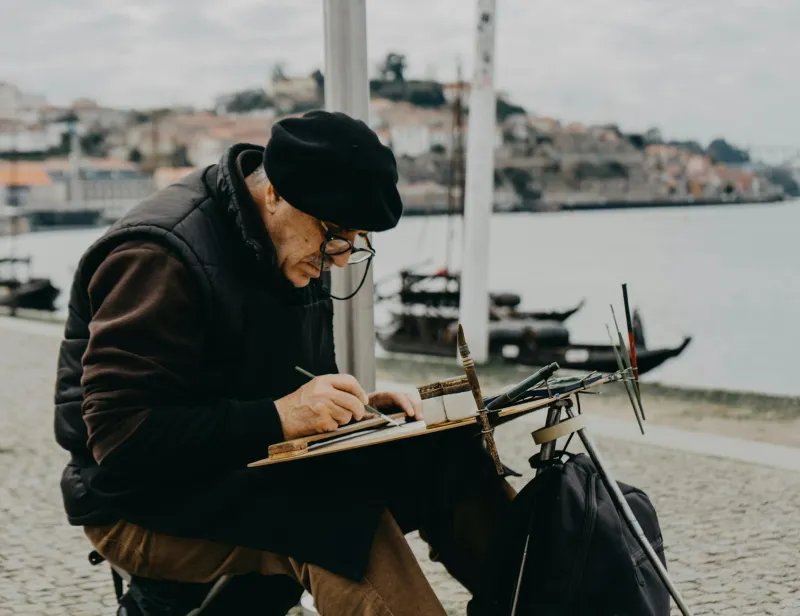
Across Britain's town squares, seafronts, and market streets, a quiet revolution is unfolding. Contemporary artists are deliberately choosing public spaces as their creative workplace, transforming the act of painting from private studio practice into community engagement and commercial strategy.
This movement transcends nostalgic plein air traditions. Today's public painters are leveraging visibility, authenticity, and social connection to build sustainable creative careers whilst enriching local cultural landscapes.
The Commercial Case for Visibility
Brighton-based artist Marcus Thompson discovered public painting's commercial potential accidentally: "I started painting the pier during lockdown for personal sanity. Within weeks, people were commissioning similar pieces. Now 60% of my income comes from connections made whilst painting publicly."
This experience reflects broader market dynamics. Public painting creates immediate emotional connection between viewer and artwork, whilst demonstrating artistic skill in real-time. The transparency builds trust that traditional gallery settings often struggle to achieve.
Yorkshire painter Emma Clarke quantifies the impact: "Gallery exhibitions might attract 200 visitors over six weeks. A single afternoon painting in Harrogate town centre reaches 500+ people directly, with dozens stopping for genuine conversations about the work."
Regional Variations, Universal Appeal
The movement manifests differently across Britain's diverse landscapes. In Cornwall, artists like James Penberthy paint coastal scenes that capture tourist attention whilst serving local collectors seeking authentic regional art.
"Visitors watch me paint the same views they're photographing," Penberthy explains. "They understand the artistic interpretation immediately because they've experienced the location themselves. Sales conversations begin naturally."
Conversely, urban artists focus on architectural subjects and street life. Manchester's Sarah Goldberg paints industrial heritage sites, attracting both heritage enthusiasts and contemporary art collectors: "Public painting connects historical subjects with current artistic interpretation. People see both preservation and innovation happening simultaneously."
Technology Amplifying Traditional Practice
Social media transforms public painting into multimedia marketing. Artists document their process through time-lapse videos, sharing both creative journey and finished works with thousands of followers.
London artist David Chen has built a 45,000-strong Instagram following primarily through public painting content: "Each session generates multiple posts—location scouting, work-in-progress shots, completion videos. My followers feel invested in every piece because they've witnessed its creation."
This digital amplification extends reach far beyond physical audiences. Chen reports international sales directly attributed to viral painting videos, demonstrating how local public practice can achieve global commercial impact.
Weather, Logistics, and Creative Solutions
British weather presents obvious challenges that artists address through practical innovation. Portable easel systems, quick-drying mediums, and waterproof storage solutions enable year-round public practice.
Scottish artist Moira Campbell paints Edinburgh's Royal Mile regardless of conditions: "I've developed techniques specifically for changeable weather. Rain creates interesting effects on watercolours, and dramatic skies often produce my strongest work. Collectors appreciate the authenticity—they know these pieces couldn't be created in controlled studio conditions."
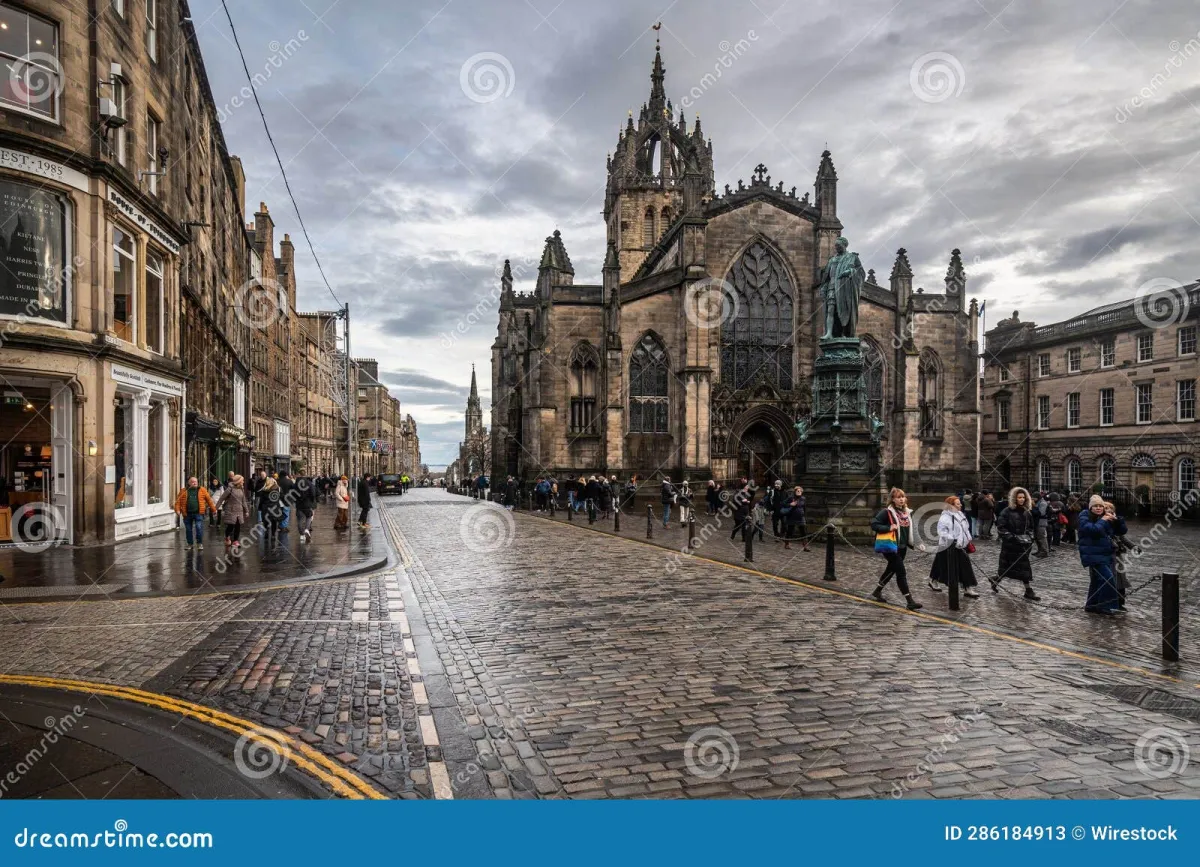 Photo: Edinburgh's Royal Mile, via thumbs.dreamstime.com
Building Local Artistic Communities
Public painting fosters unexpected community connections. Regular practitioners often attract fellow artists, creating informal outdoor studios that benefit entire creative communities.
In Bath, a loose collective of public painters meets weekly at different city locations. Founder artist Robert Mitchell explains: "We're not formally organised, but our visible practice has raised awareness of contemporary art throughout the city. Local businesses now commission us regularly, and we've influenced tourism marketing strategies."
Collector Perspectives on Public Practice
Collectors increasingly value artworks with documented public creation stories. The transparency and community connection add provenance layers that enhance both emotional and financial value.
Birmingham collector Janet Stevens specifically seeks publicly-created works: "I love knowing exactly where and how each piece was made. The artist's public engagement becomes part of the artwork's history. These pieces carry more meaning than studio-created equivalents."
Economic Impact on Local Arts Scenes
Public painting generates broader economic benefits for regional arts communities. Visible artistic activity attracts cultural tourists, supports local art suppliers, and creates informal apprenticeship opportunities for emerging artists.
Canterbury Arts Council's recent study found that regular public painting activities increased foot traffic to local galleries by 23%, whilst generating £180,000 in direct art sales over eighteen months.
Professional Development Through Public Practice
Many artists report that public painting significantly improves their technical skills and confidence. Working under time pressure with audience observation demands efficiency and decisiveness that benefits all creative output.
Nottingham artist Lisa Ward credits public practice with career acceleration: "Painting publicly taught me to trust instincts and work boldly. My studio practice became more confident and commercially successful after embracing public visibility."
The Future of Visible Art-Making
As British high streets seek cultural regeneration strategies, public painting offers sustainable solutions that benefit artists, communities, and local economies simultaneously. This visible creativity demonstrates art's accessibility whilst maintaining professional standards and commercial viability.
The movement proves that authentic artistic practice, when shared openly, creates stronger connections than traditional marketing approaches ever could achieve.