The Grey Renaissance
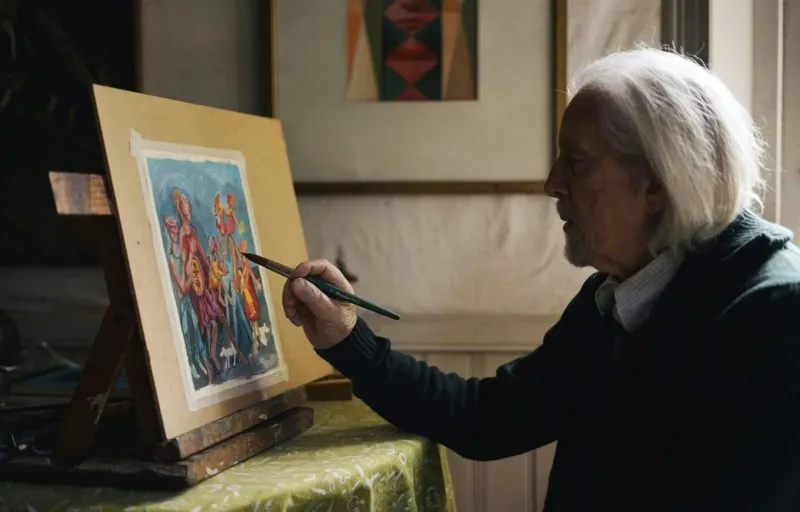
Across Britain, a quiet revolution is unfolding in studios tucked away in suburban homes, converted garages, and community centres. Artists who spent decades in corporate boardrooms, classrooms, and hospital wards are now commanding attention—and serious prices—for work that reflects a lifetime of accumulated wisdom and technical mastery.
Margaret Thornton, 67, launched her ceramic practice from her Cotswolds cottage three years ago. Today, her hand-thrown vessels sell for £300-800 each through online platforms, with waiting lists stretching months ahead. "I'd been throwing pots as a hobby for thirty years," she explains. "Retirement gave me the courage to take it seriously."
Thornton's story reflects a broader demographic shift reshaping Britain's art landscape. According to recent marketplace data, artists over sixty represent the fastest-growing segment of new sellers on digital art platforms, with their work commanding premium prices that often exceed pieces by younger contemporaries.
Digital Natives at Sixty-Plus
The rise of online galleries and social media has fundamentally altered the traditional gatekeeping mechanisms that once favoured younger artists. Platforms like Instagram and Facebook have become powerful equalizers, allowing mature creators to build substantial followings without navigating traditional gallery hierarchies.
David Pemberton, a former headteacher from Yorkshire, began painting watercolour landscapes during lockdown. His detailed architectural studies now sell consistently through his Instagram account, which has attracted over 15,000 followers. "The digital world doesn't care about your age," he observes. "It cares about your work."
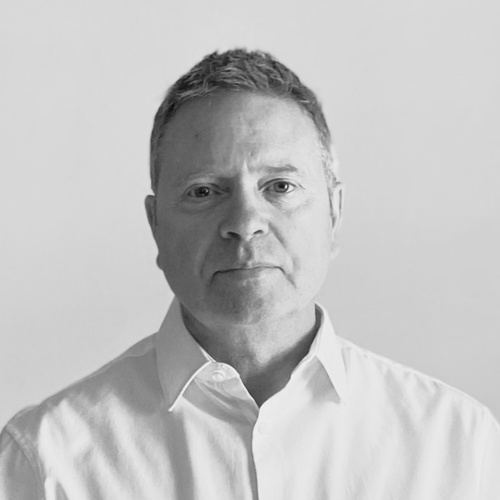 Photo: David Pemberton, via www.themarketingcentre.com
This democratisation has particular significance for women artists, who historically faced additional barriers in traditional art markets. Research suggests that female artists over sixty are experiencing unprecedented commercial success, with collectors increasingly valuing the authenticity and technical confidence that comes with decades of practice.
The Experience Premium
What distinguishes these late-career practitioners is their unique positioning within contemporary markets. Unlike emerging artists still developing their voice, mature creators bring fully-formed perspectives shaped by rich life experiences. This translates into work that resonates powerfully with collectors seeking depth and authenticity.
Sarah Mitchell, a former NHS administrator turned textile artist, creates intricate embroidered pieces exploring themes of care, healing, and human connection. Her work, priced between £500-2,000, has found eager buyers among healthcare professionals and families touched by illness. "My art carries the weight of everything I've witnessed," she explains. "That's not something you can fake or rush."
The commercial appeal extends beyond subject matter to technical execution. Many over-sixty artists possess skills honed through decades of practice, creating work that demonstrates a level of craftsmanship increasingly rare in contemporary markets. This technical confidence translates directly into market value, with collectors willing to pay premium prices for evident mastery.
Breaking the Youth Myth
The success of Britain's mature art practitioners challenges persistent myths about creativity and age. While popular culture often portrays artistic careers as young person's pursuits, evidence suggests that creative output can actually improve with age, as artists gain confidence to take risks and explore personal themes without concern for external validation.
Dr. Helena Worthington, who studies creativity and ageing at Cambridge University, notes that "mature artists often produce their most compelling work because they've stopped trying to please anyone but themselves. This authenticity is incredibly powerful in today's market."
 Photo: Cambridge University, via c8.alamy.com
The trend also reflects changing retirement patterns across Britain. With many professionals remaining active well beyond traditional retirement age, the transition into creative practice represents not an ending but a new beginning—one that can prove financially rewarding as well as personally fulfilling.
Commercial Strategies for Success
Successful late-career artists share certain strategic approaches to building their practices. Most begin by leveraging existing networks—former colleagues, community connections, and family friends—to establish initial sales momentum. This grassroots approach often proves more effective than attempting to break into established gallery circuits.
Online presence proves crucial, with successful practitioners maintaining regular social media engagement and professional websites showcasing their work. Many also participate in local art fairs and open studio events, building personal connections that translate into sales.
Pricing strategies tend to be more confident than those employed by younger artists. Mature practitioners often understand their worth, setting prices that reflect both their skill level and the time invested in developing their craft. This confidence resonates with buyers, who perceive higher-priced work as more valuable.
The Future Canvas
As Britain's population ages, the influence of mature artists will only grow. Their success challenges not only ageist assumptions about creativity but also traditional models of artistic career development. Rather than viewing artistic practice as something that peaks in youth, we're witnessing evidence that creative fulfillment—and commercial success—can flourish at any stage of life.
For platforms like Gallery Top, these artists represent both opportunity and inspiration. Their work brings technical excellence, emotional depth, and authentic perspective to contemporary markets whilst proving that artistic ambition knows no age limits. In celebrating these late-blooming talents, we recognise that creativity remains one of humanity's most enduring and renewable resources.