The Unexpected Art Revolution
Walk through any contemporary British art studio open day, and you'll notice something remarkable: the most engaged, inquisitive visitors are increasingly those with silver hair and decades of life experience behind them. This demographic shift represents far more than a casual trend—it signals a fundamental transformation in who drives demand for contemporary British art.
Margaret Henderson, 67, from Cheltenham, exemplifies this phenomenon. After retiring from her career as a secondary school headteacher, she discovered her passion for contemporary sculpture during a visit to the Yorkshire Sculpture Park. "I'd always appreciated art from a distance," she reflects, "but retirement gave me the luxury of time to truly understand what moved me." Today, her converted barn houses an impressive collection of works by emerging British sculptors, representing an investment of over £40,000 in just three years.
The Perfect Storm of Circumstances
Several factors converge to make Britain's over-60s particularly suited to art collecting. Property ownership rates among this demographic remain high, with many benefiting from decades of property appreciation. Simultaneously, the shift from defined benefit to defined contribution pensions has created a generation more comfortable with alternative investments beyond traditional stocks and shares.
Dr Sarah Williams, an art market analyst at the Institute for Cultural Economics, notes: "This generation has witnessed extraordinary cultural change throughout their lives. They understand value in ways that extend beyond pure financial return, and they're seeking investments that reflect their personal journey and values."
The time factor cannot be understated. Unlike younger collectors juggling career pressures and family obligations, mature collectors can dedicate substantial time to research, studio visits, and building relationships with artists. This temporal luxury translates into more considered, confident purchasing decisions.
Artist Adaptation and Outreach
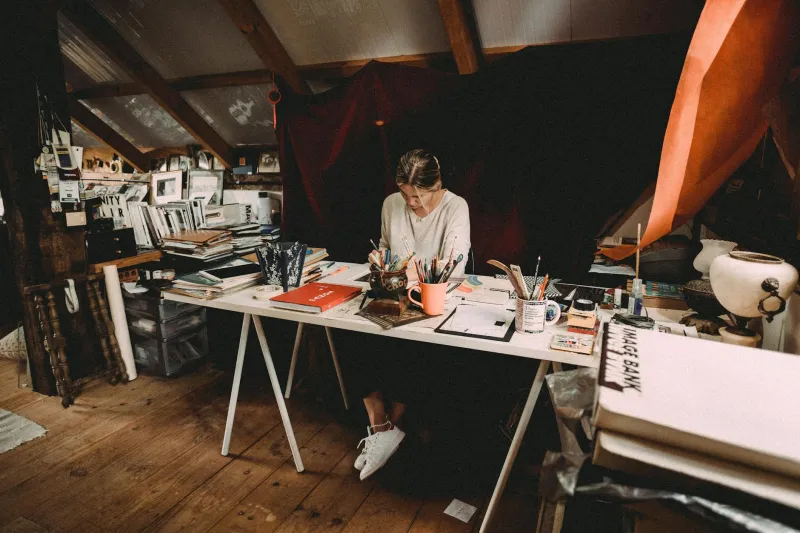
British artists have begun recognising and adapting to this demographic shift. Birmingham-based painter James Crawford has restructured his studio practice around morning appointments and weekday viewings, acknowledging that his most serious collectors prefer these quieter times. "My evening openings used to attract crowds, but very few sales," he explains. "Now I host intimate morning sessions with tea and proper conversation. The engagement is extraordinary."
Similarly, ceramic artist Helen Mortimer has developed specialised studio tours that accommodate mobility considerations whilst providing detailed artistic context. "Mature collectors want to understand process, history, and meaning," she observes. "They're not impulse buyers—they're investing in stories and craftsmanship they genuinely understand."
Beyond Financial Motivation
What distinguishes mature collectors from their younger counterparts extends beyond purchasing power. Research conducted by the Contemporary Art Society reveals that collectors over 60 prioritise emotional connection and personal meaning over potential appreciation. They're more likely to purchase work that resonates with their life experiences, travels, or personal philosophies.
Retired architect Robert Chen, whose Manchester home showcases contemporary British photography, explains his approach: "I'm not buying for my children or for investment returns. I'm buying pieces that speak to who I've become, not who I hope to be. There's tremendous freedom in that honesty."
This emotional authenticity creates deeper, more sustainable relationships between artists and collectors. Many mature buyers become genuine advocates, introducing friends and family to artists they champion, creating ripple effects throughout their social networks.
The Digital Adaptation
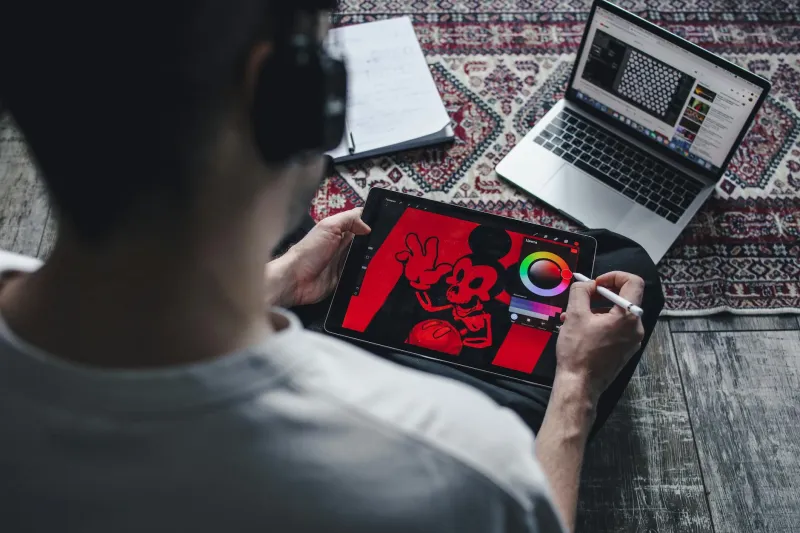
Contrary to assumptions about technological reluctance, many mature collectors have embraced digital platforms with surprising enthusiasm. Instagram accounts dedicated to their collections serve as digital galleries, whilst online marketplaces provide access to artists beyond their immediate geographical reach.
Retired solicitor Patricia Davies, whose collection focuses on contemporary British printmaking, maintains an active online presence: "Social media allows me to connect with artists directly and follow their development in real time. It's democratised access in ways that traditional galleries never could."
Regional Impact and Opportunity
This demographic shift particularly benefits artists working outside London's expensive gallery ecosystem. Mature collectors often seek authentic studio experiences and direct artist relationships, making them ideal customers for regional practitioners. The Cotswolds, Lake District, and coastal areas of Devon and Cornwall have witnessed particular growth in collector activity, as retirees relocate to areas with strong artistic communities.
Gallery owner Miranda Foster, who operates spaces in both London and Bath, observes: "Our Bath location consistently outperforms London for actual sales to mature collectors. They appreciate the unhurried atmosphere and the opportunity for genuine dialogue with artists."
Future Implications
As this demographic continues expanding—with baby boomers representing the largest and wealthiest generation in British history—their influence on contemporary art markets will only intensify. Artists who recognise and adapt to their preferences for quality, authenticity, and meaningful engagement stand to benefit enormously.
The silver collector revolution represents more than market opportunity; it embodies a fundamental shift towards valuing art for its intrinsic rather than speculative worth. In an art world often criticised for commercialisation and hype, mature collectors offer a refreshing return to the fundamental relationship between creator and appreciator.
For Britain's contemporary artists, this presents an extraordinary opportunity to build sustainable careers based on genuine artistic merit rather than market manipulation. The silver collectors aren't just reshaping the art market—they're helping restore its soul.