Beyond the Postcard: A New Coastal Vision
The romantic notion of artists retreating to Britain's coastlines is hardly new – St Ives has drawn creative minds since the 1920s. What's different today is the sophistication and diversity of work emerging from seaside studios, and the serious collector attention it's attracting. Contemporary coastal artists are producing work that transcends traditional marine themes, addressing climate change, migration, industry, and identity through practices informed by their unique geographical circumstances.
Margate's Turner Contemporary has become a focal point for this renaissance, but the real action often happens in converted beach huts, former lifeboat stations, and repurposed industrial buildings where artists work with immediate access to the elements that inspire them. Collectors are increasingly making dedicated trips to these locations, seeking work that captures something essential about Britain's relationship with the sea.
 Photo: Turner Contemporary, via davidchipperfield.com
The Geography of Creative Expression
Each of Britain's coastal regions has developed distinct artistic characteristics shaped by local conditions. Cornwall's artists often work with themes of mining heritage and environmental change, whilst Scotland's coastal communities produce work reflecting industrial decline and renewable energy transitions. The Norfolk coast, with its shifting shorelines and vast skies, attracts artists interested in impermanence and scale.
In Whitstable, the Horsebridge Arts Centre has become a destination for collectors seeking work that reflects the town's unique position between London commuter belt and working fishing port. Director Emma Johnson reports that 60% of their sales now go to collectors from outside Kent, many of whom first discovered the artists during seaside visits but return specifically for studio viewings.
Light, Space, and Creative Practice
Coastal light's unique qualities continue to influence artistic practice, but contemporary artists are exploring these conditions with sophisticated technical approaches. Photographer Edward Burtynsky's recent residency in Dungeness resulted in large-scale prints that capture the area's otherworldly atmosphere whilst addressing nuclear legacy issues. Such work commands serious collector attention precisely because it transcends simple documentation.
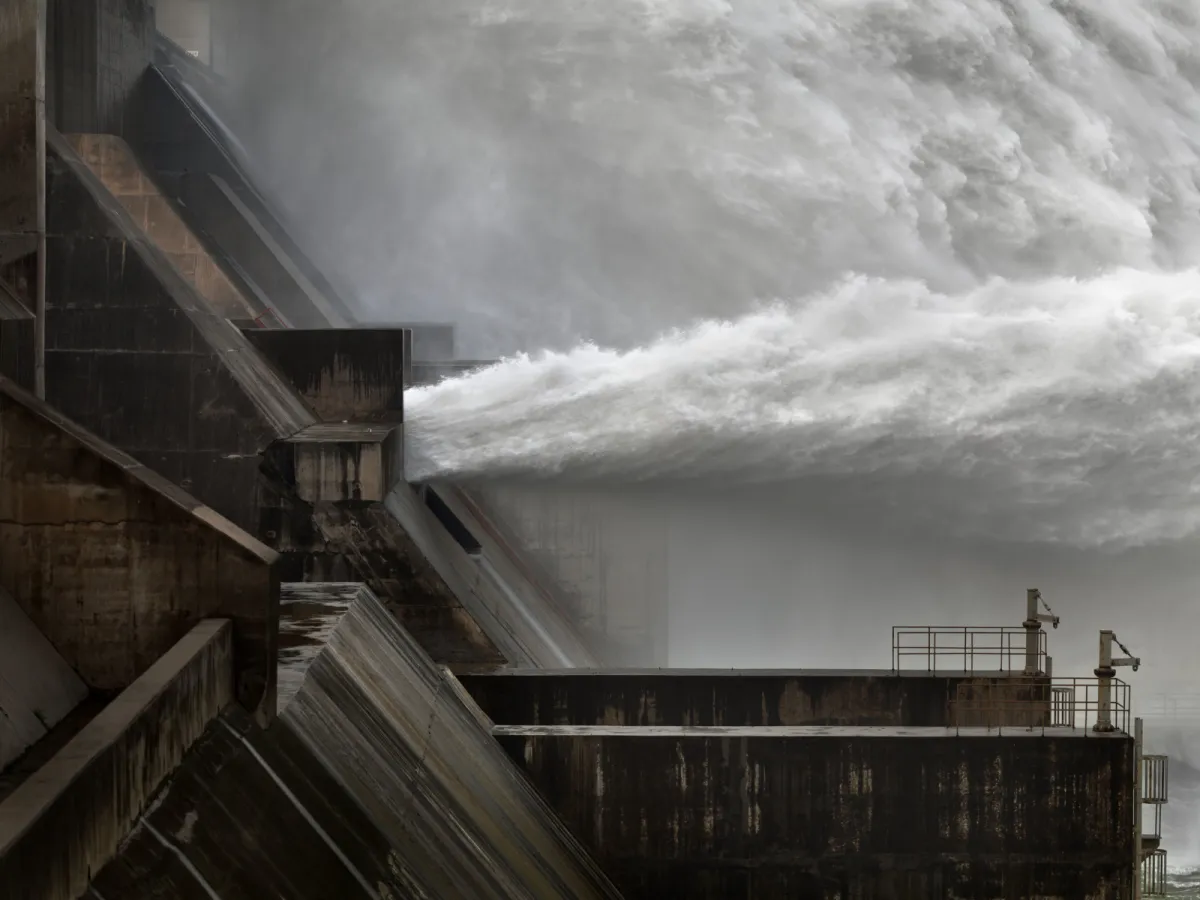 Photo: Edward Burtynsky, via publicdelivery.org
Sculptor Antony Gormley's ongoing relationship with Crosby Beach demonstrates how coastal environments can provide both inspiration and exhibition space. Local artists working in similar contexts benefit from this elevated profile, with several Merseyside sculptors reporting increased studio visits from collectors who first encountered coastal sculpture through Gormley's installations.
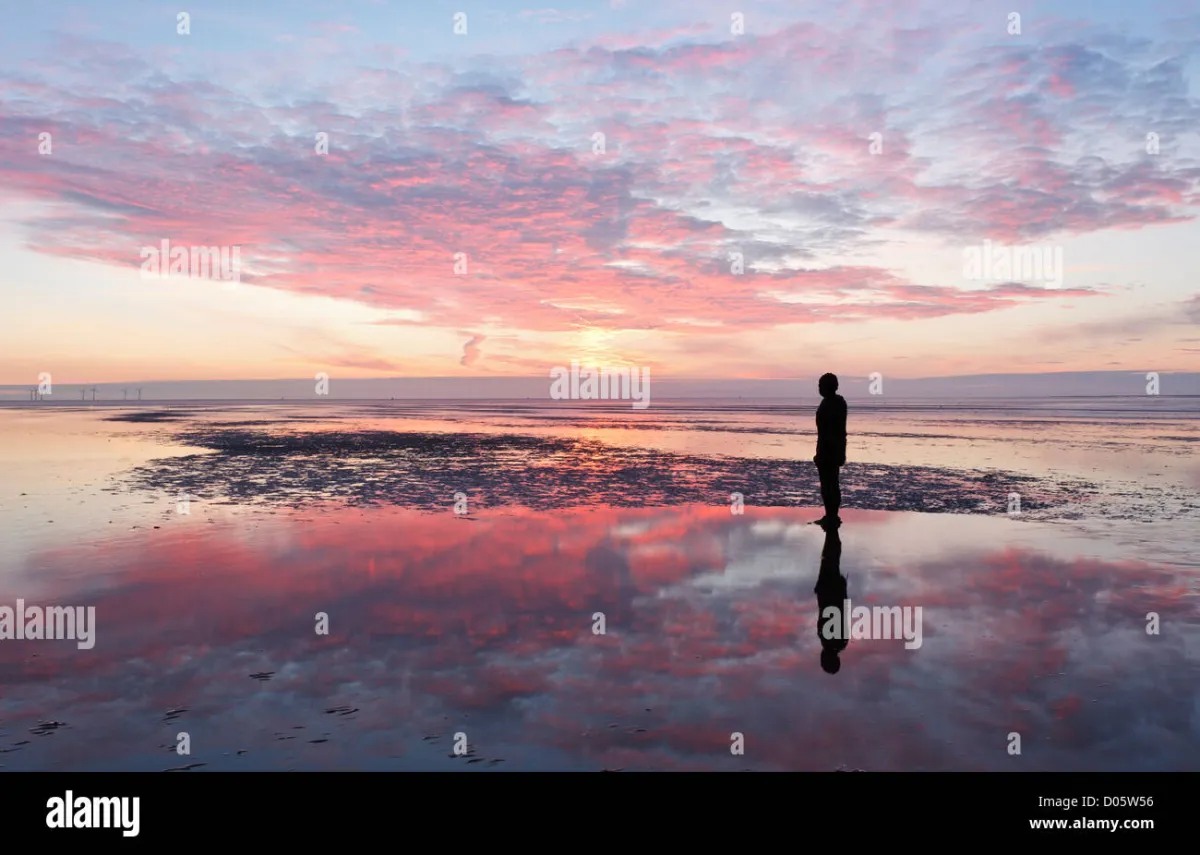 Photo: Crosby Beach, via c8.alamy.com
The Economics of Coastal Creativity
Lower property costs in many coastal areas have enabled artists to establish larger studios than urban equivalents would allow, often resulting in more ambitious work. This practical advantage translates into collector value – coastal artists can often offer larger pieces at prices that reflect their reduced overhead costs rather than London gallery premiums.
The Porthmeor Studios in St Ives, where rent remains subsidised for working artists, continue producing work that enters serious collections. Recent graduates from urban art schools are increasingly choosing coastal locations for their first professional studios, bringing contemporary concerns and techniques to traditional maritime settings.
Collector Pilgrimages and Studio Tourism
The rise of 'art tourism' has particular relevance for coastal communities, where scenic appeal combines with cultural offerings to create compelling visitor experiences. Collectors report that studio visits in coastal settings often involve extended stays, allowing for deeper engagement with both artist and environment.
The Aldeburgh Festival's expanded visual arts programme exemplifies this trend, with collectors timing visits to coincide with both musical and artistic offerings. Local artists benefit from this concentrated attention, with several reporting their strongest annual sales during festival periods.
Climate Change and Artistic Response
Britain's coastal artists are uniquely positioned to address climate change through their work, having direct experience of rising sea levels, coastal erosion, and extreme weather events. This relevance to contemporary concerns has attracted collectors interested in socially engaged art practice.
Artist Klaus Littmann's recent project documenting disappearing coastal features along the Norfolk coast has attracted international collector attention, whilst local artists addressing similar themes benefit from increased awareness of climate-related art. The urgency of these themes adds investment appeal to work that might otherwise be dismissed as regional.
Traditional Techniques, Contemporary Applications
Many coastal artists maintain connections to traditional crafts – boat building, net making, sail repair – whilst applying these skills to contemporary art practice. This combination of historical technique and current relevance creates work that appeals to collectors interested in both craft excellence and conceptual sophistication.
The revival of interest in traditional British marine painting has also benefited contemporary coastal artists, with collectors seeking work that continues these traditions whilst addressing current concerns. Auction houses report strong demand for contemporary seascapes that demonstrate both technical skill and contemporary relevance.
Regional Networks and Collaborative Practices
Coastal artist communities often develop strong collaborative networks, sharing resources and exhibition opportunities in ways that strengthen the overall scene. The Baltic Centre for Contemporary Art in Gateshead has fostered such networks along the Northeast coast, with artists from Berwick to Middlesbrough participating in group exhibitions that attract national collector attention.
These networks also facilitate collector access, with artists often arranging studio trails that allow visitors to encounter multiple practices during single visits. Such efficiency appeals to time-conscious collectors whilst providing artists with shared marketing resources.
Investment Considerations and Market Dynamics
Coastal art's investment potential reflects several factors: the continuing appeal of marine themes to British collectors, the relevance of environmental concerns addressed by coastal artists, and the practical advantages that coastal locations provide for ambitious artistic production.
Pricing often reflects local rather than London market conditions, potentially offering value for collectors willing to engage directly with artists rather than through gallery intermediaries. However, the most successful coastal artists eventually attract gallery representation, with early collector relationships often continuing even after commercial success.
Future Developments and Opportunities
As climate change concerns intensify, coastal artists' unique perspectives are likely to become increasingly valued. The practical challenges of coastal living – flooding, erosion, extreme weather – provide authentic context for work addressing these themes.
The development of improved transport links to many coastal areas also facilitates collector access, whilst digital platforms allow artists to maintain international visibility from remote locations. This combination of accessibility and authenticity creates favourable conditions for continued growth in coastal art markets.
Practical Guidance for Collectors
Collectors interested in exploring Britain's coastal art scenes should consider timing visits to coincide with local festivals or group exhibitions, which provide efficient access to multiple artists whilst supporting community events. Many coastal areas now offer dedicated art trails or studio maps, facilitating independent exploration.
Direct studio purchases often provide better value than gallery acquisitions, whilst building relationships with artists in their working environments offers insights unavailable through commercial galleries. The relaxed pace of coastal life often allows for extended conversations about artistic practice and local influence, enhancing the collecting experience beyond mere acquisition.
As Britain's coastal communities continue adapting to environmental and economic challenges, their artists provide unique perspectives on national concerns whilst maintaining connections to maritime traditions that remain central to British identity. For collectors, this combination of contemporary relevance and cultural continuity offers both aesthetic satisfaction and investment potential.