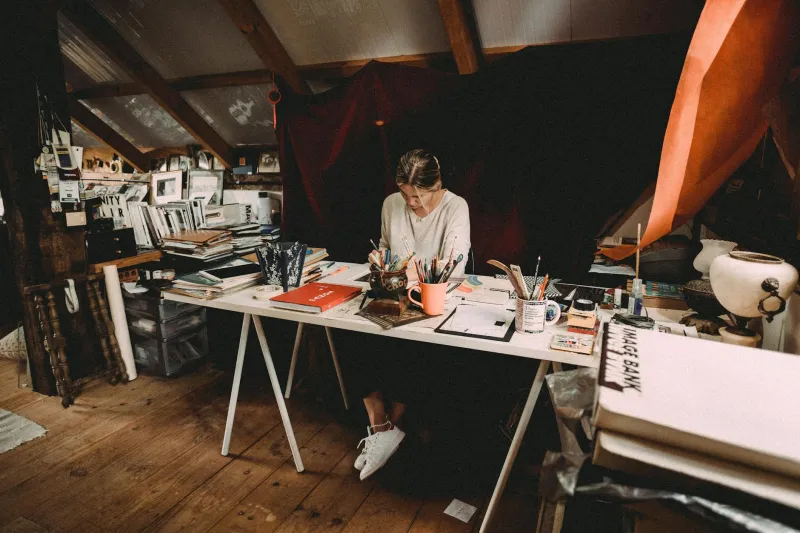
Across Britain's creative landscape, a quiet revolution is transforming how art changes hands. From Victorian terraces in Manchester to modern flats in Edinburgh, collectors are increasingly turning their backs on traditional gallery purchases in favour of something far more intimate: commissioned artwork created specifically for their homes and stories.
This surge in bespoke art isn't merely a trend—it's a fundamental shift that's reshaping the relationship between British artists and their audiences, creating opportunities that extend far beyond the conventional gallery system.
The Rise of the Personal Curator
The appeal of commissioned work lies in its deeply personal nature. Unlike purchasing an existing piece, commissioning art allows collectors to become active participants in the creative process. Sarah Mitchell, a textile artist based in the Cotswolds, explains: "My clients aren't just buying a painting—they're investing in a narrative that speaks directly to their experiences, their home, their family history."
This personalisation extends beyond subject matter to practical considerations. British homes, with their unique architectural quirks and often modest proportions, benefit enormously from artwork designed specifically for the space. A commissioned piece can complement period features in a Georgian townhouse or provide the perfect focal point for a contemporary extension.
Understanding the Commission Process
For first-time commissioners, the process can seem daunting, but British artists have developed increasingly sophisticated approaches to guide clients through the journey. Most established practitioners follow a structured consultation process that begins with understanding both the space and the client's vision.
The initial conversation typically covers practical elements—dimensions, colour preferences, existing décor—alongside more personal aspects such as meaningful locations, family traditions, or emotional connections the client wishes to see reflected in the work. Many artists now offer virtual consultations, making the process accessible regardless of geographical distance.
Pricing structures have evolved to accommodate various budgets whilst protecting artists' livelihoods. Most British artists working in commissions operate on a deposit system, typically requesting 30-50% upfront with the remainder due on completion. This arrangement provides security for both parties whilst allowing flexibility in the creative process.
The Digital Advantage
Social media platforms have revolutionised how British collectors discover and connect with artists for commission work. Instagram, in particular, has become a virtual portfolio space where artists can showcase their process, from initial sketches to final installation. This transparency has demystified commissioned art, allowing potential clients to witness the journey from concept to completion.
Many artists now document their commission process extensively, sharing behind-the-scenes content that builds trust and excitement. This approach has proved particularly effective in reaching younger collectors who value authenticity and connection with the artists they support.
Regional Renaissance
The commission trend has sparked a notable revival in regional art scenes across Britain. Areas previously overshadowed by London's dominance are witnessing increased demand for local artists who can capture the essence of their communities. From the industrial heritage of the North East to the coastal beauty of Cornwall, collectors are seeking artists who understand their local context intimately.
This regional focus has created sustainable career paths for artists outside major metropolitan centres, contributing to the preservation and celebration of Britain's diverse cultural landscapes.
Navigating the Investment Aspect
Whilst commissioned pieces are rarely purchased primarily as investments, many collectors are pleasantly surprised by their long-term value retention. Works by emerging British artists who later gain recognition can appreciate significantly, particularly when the commission represents a significant moment in the artist's development.
However, the true value of commissioned art often lies beyond monetary considerations. These pieces become integral parts of family histories, often passed down through generations with stories that enhance their significance far beyond their market value.
Practical Considerations for New Commissioners
Successful commissions require clear communication from the outset. Potential clients should prepare by gathering visual references, considering their budget realistically, and being honest about their timeline expectations. Most quality commissioned work requires several months from concept to completion, particularly for complex pieces.
It's also worth considering the artist's style and expertise carefully. Whilst many artists are adaptable, commissioning work that aligns with their natural strengths typically yields the most satisfying results for all parties involved.
The Future of British Art Patronage
The commission trend represents more than a shift in purchasing habits—it signals a return to traditional forms of art patronage adapted for contemporary life. This direct relationship between artist and collector fosters a deeper appreciation for the creative process whilst providing artists with more sustainable income streams.
As British collectors become increasingly sophisticated in their approach to art ownership, commissioned work offers a path that satisfies both emotional and practical needs. It's a trend that benefits everyone involved: artists gain creative freedom and financial stability, whilst collectors acquire artwork that truly belongs in their lives.
For Britain's contemporary art scene, this shift towards commissioned work represents a democratisation of art patronage, creating opportunities for meaningful artistic relationships that extend far beyond the traditional gallery walls.