The New Patrons of British Art
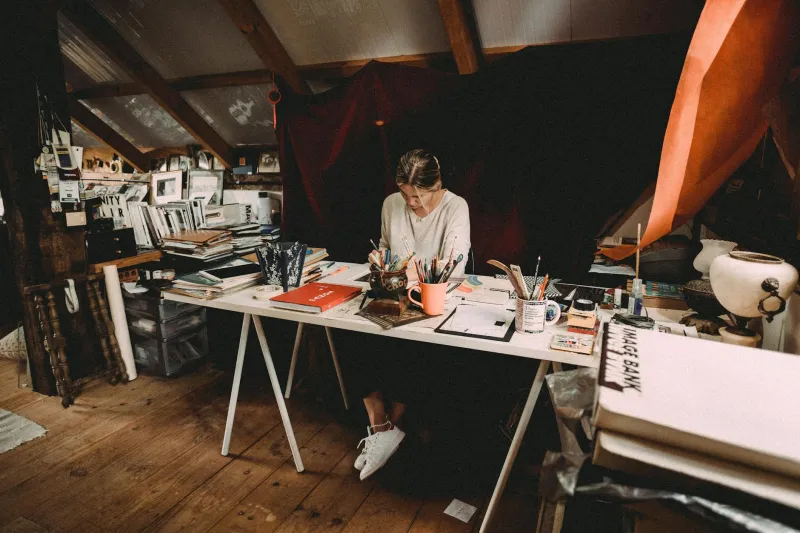
In a converted Victorian terraced house in Manchester, ceramicist Sarah Chen opens her laptop each morning to messages from her 400 monthly subscribers scattered across the globe. They've just received their quarterly update featuring studio photographs, technical notes on her latest glazing experiments, and a small original piece exclusive to patrons. This isn't a traditional gallery relationship—it's the future of British art patronage.
Chen represents a growing movement of British artists who have discovered that consistent, modest monthly payments from dedicated supporters can provide more stability than the unpredictable peaks and valleys of gallery sales. Through platforms like Patreon, Ko-fi, and bespoke subscription services, these creators are forging direct relationships with collectors whilst maintaining complete creative autonomy.
Beyond the Gallery Gates
The subscription model offers something traditional art sales cannot: predictable income. London-based printmaker James Morrison explains the transformation: "Gallery commissions, shipping costs, and waiting months for payment made it impossible to plan ahead. Now I know exactly what my monthly income will be, which means I can focus on creating rather than constantly hunting for the next sale."
Morrison's 250 subscribers pay between £8 and £35 monthly, receiving everything from digital downloads to limited edition prints delivered to their doors. His highest tier supporters—just twelve individuals—receive original sketches and have input on upcoming projects through monthly video calls.
This direct relationship eliminates the traditional art world hierarchy. There are no gallery directors deciding which work deserves wall space, no critics determining artistic merit, and no geographical limitations restricting an artist's reach. A painter in rural Scotland can build an international following just as easily as their London counterpart.
The Intimacy of Creative Process
What subscribers purchase extends far beyond finished artworks. They're buying access to the creative journey itself. Birmingham sculptor Rachel Walsh documents her bronze casting process through weekly videos, sharing both triumphant moments and spectacular failures with equal enthusiasm.
"My patrons see the work that never makes it to exhibition," Walsh explains. "They understand the months of experimentation behind each successful piece. It creates a completely different appreciation for the final work."
This transparency builds deeper connections between artist and collector. Subscribers report feeling invested in an artist's development, celebrating breakthroughs and offering encouragement during challenging periods. The relationship becomes collaborative rather than transactional.
Sustainable Creative Careers
The financial stability of subscription income enables artists to take creative risks they might otherwise avoid. Edinburgh painter Tom Bradley credits his 180 monthly supporters with allowing him to experiment with large-scale abstract works that might not immediately appeal to gallery buyers.
"When you know your rent is covered, you can push boundaries," Bradley notes. "My subscribers signed up for my artistic journey, not just pretty pictures that match their sofas."
This model also supports career longevity. Unlike the gallery system, where artists often struggle to maintain relevance as trends shift, subscription relationships can span years. Patrons become invested in an artist's evolution rather than individual pieces.
The Technology Behind the Movement
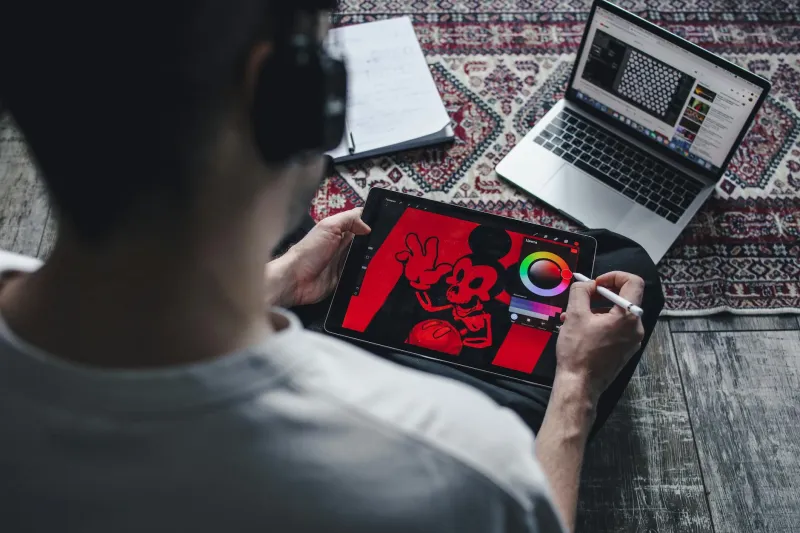
Whilst Patreon dominates the subscription landscape, British artists are exploring diverse platforms. Some use Substack for written content alongside visual work, others prefer the flexibility of building custom subscription services through their own websites.
The key lies in finding the right balance of content and pricing. Successful artists typically offer multiple tiers, ensuring accessibility whilst providing premium experiences for dedicated collectors. Monthly contributions might range from £3 for digital content to £100 for original works.
Challenges and Considerations
The subscription model isn't without complexities. Artists must consistently produce content, manage patron communications, and handle logistics that galleries traditionally manage. The administrative burden can be substantial, particularly as subscriber bases grow.
Tax implications also require careful consideration. Regular monthly payments create different obligations than occasional large sales, and many artists find themselves navigating business structures they never anticipated needing.
Moreover, not all artistic practices translate naturally to subscription models. Work requiring significant time investment or expensive materials may struggle to find sustainable monthly pricing.
The Future of British Art Patronage
As more artists achieve financial success through direct patronage, traditional galleries are taking notice. Some are exploring hybrid models, offering subscription services alongside conventional exhibitions. Others are reconsidering their relationships with artists, recognising that creators with established patron bases bring built-in audiences.
The model also democratises collecting. Rather than requiring substantial upfront investment, art appreciation becomes accessible through modest monthly commitments. A university student can support their favourite artist for the cost of a streaming service.
Cultural Implications
This shift represents more than financial innovation—it's changing British art culture itself. Regional artists no longer need London gallery representation to reach national audiences. Experimental work finds supportive communities regardless of commercial viability. The conversation around artistic value expands beyond market prices to include cultural and personal significance.
As subscription patronage matures, it's creating a new generation of collectors who understand and appreciate the creative process. These patrons become advocates, sharing artists' work within their own networks and building grassroots support that traditional marketing cannot achieve.
The subscription studio model suggests a future where British artists maintain greater control over their careers whilst building meaningful relationships with supporters. In an increasingly digital world, this return to direct patronage—reminiscent of historical artist-patron relationships but accessible to contemporary audiences—may well define the next chapter of British art.