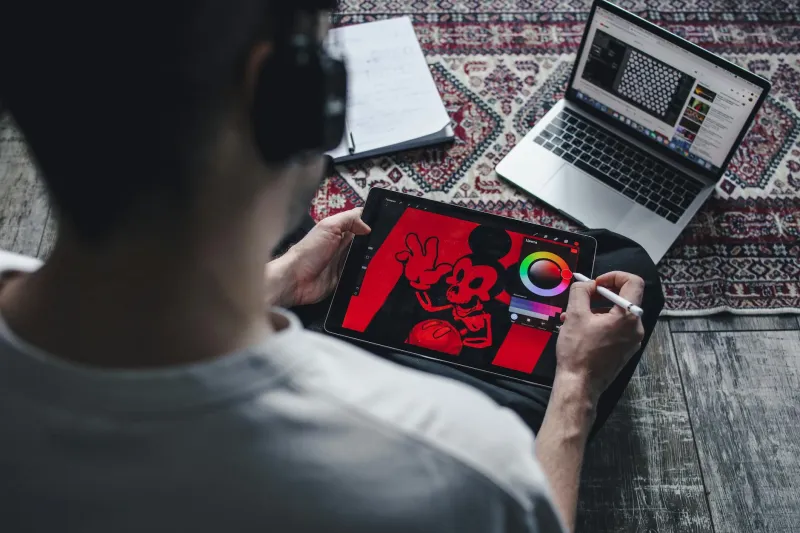
The New Nomadic Collectors
Britain's rental market has fundamentally shifted from temporary necessity to permanent lifestyle choice, with over 4.5 million households now privately renting long-term. This demographic transformation is quietly revolutionising how art is collected, valued, and displayed across the nation.
Unlike previous generations who collected with static wall space in mind, today's renters approach art acquisition with strategic mobility. They seek pieces that enhance any environment whilst building genuine investment value—a sophisticated collecting philosophy that galleries and artists are rapidly adapting to serve.
Portable Sophistication Takes Centre Stage
London-based art advisor Sarah Chen observes a marked shift in client priorities: "We're seeing incredibly discerning collectors who prioritise quality over scale. They want museum-grade prints that roll safely, sculptural pieces under 60cm, and textiles that transform any space instantly."
This demand has sparked innovation across Britain's creative community. Manchester textile artist Rebecca Morrison reports that her wall-hanging series now accounts for 70% of sales: "Renters appreciate art that doesn't require permanent installation. My pieces use magnetic backing systems and weighted hems—they're sophisticated enough for any interior yet practical for frequent moves."
The trend extends beyond practicality into investment strategy. Young collectors increasingly view portable art as liquid assets that appreciate whilst enhancing their living spaces. Birmingham gallery owner James Fletcher notes: "These buyers research provenance meticulously. They're building serious collections, just in smaller, more adaptable formats."
Technology Enabling Mobile Curation
Digital platforms are crucial to this collecting revolution. Apps like ArtStack and Curate allow renters to visualise artworks across different properties, whilst blockchain authentication provides portable provenance records that travel with pieces.
Edinburgh-based collector Tom Williams exemplifies this approach: "I've moved four times in three years, but my collection has grown consistently. Digital cataloguing means I can plan installations before viewing properties, and my pieces work equally well in Georgian flats or modern developments."
Artists Adapting to Rental Reality
British artists are responding with remarkable creativity. Cornwall-based painter Lisa Trevethan has developed a modular canvas system: "My works can be displayed individually or combined into larger installations. Collectors love the flexibility—they can adapt their display to any space configuration."
Similarly, ceramic artist David Park from Yorkshire creates sculptural series designed for easy transport: "I use custom foam packaging and design pieces that nest together. My collectors know they're investing in art that moves with their lifestyle."
The Economics of Mobile Collecting
This collecting approach is proving financially astute. Portable works by emerging British artists often appreciate faster than larger pieces, as they appeal to broader markets and international buyers who value shipping simplicity.
Art market analyst Emma Richardson explains: "Rental-friendly art democratises collecting whilst maintaining investment potential. We're seeing strong secondary market performance for works under £2,000 that offer genuine artistic merit alongside practical benefits."
Regional Galleries Embrace the Shift
Galleries nationwide are adapting exhibition strategies to serve mobile collectors. Newcastle's Baltic Centre now offers "Rental-Ready" viewing rooms where pieces are displayed in typical rental property settings, whilst Cardiff's Chapter Arts Centre provides custom packaging services for all sales.
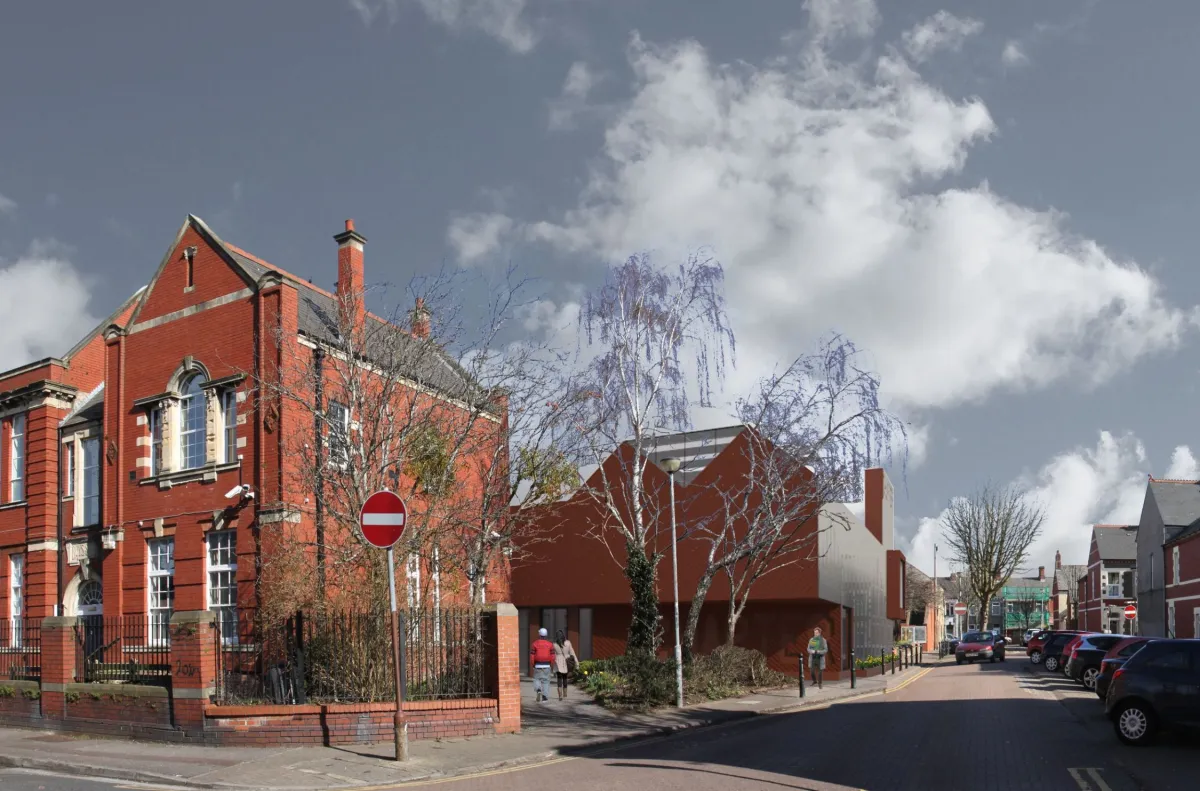 Photo: Chapter Arts Centre, via img2.storyblok.com
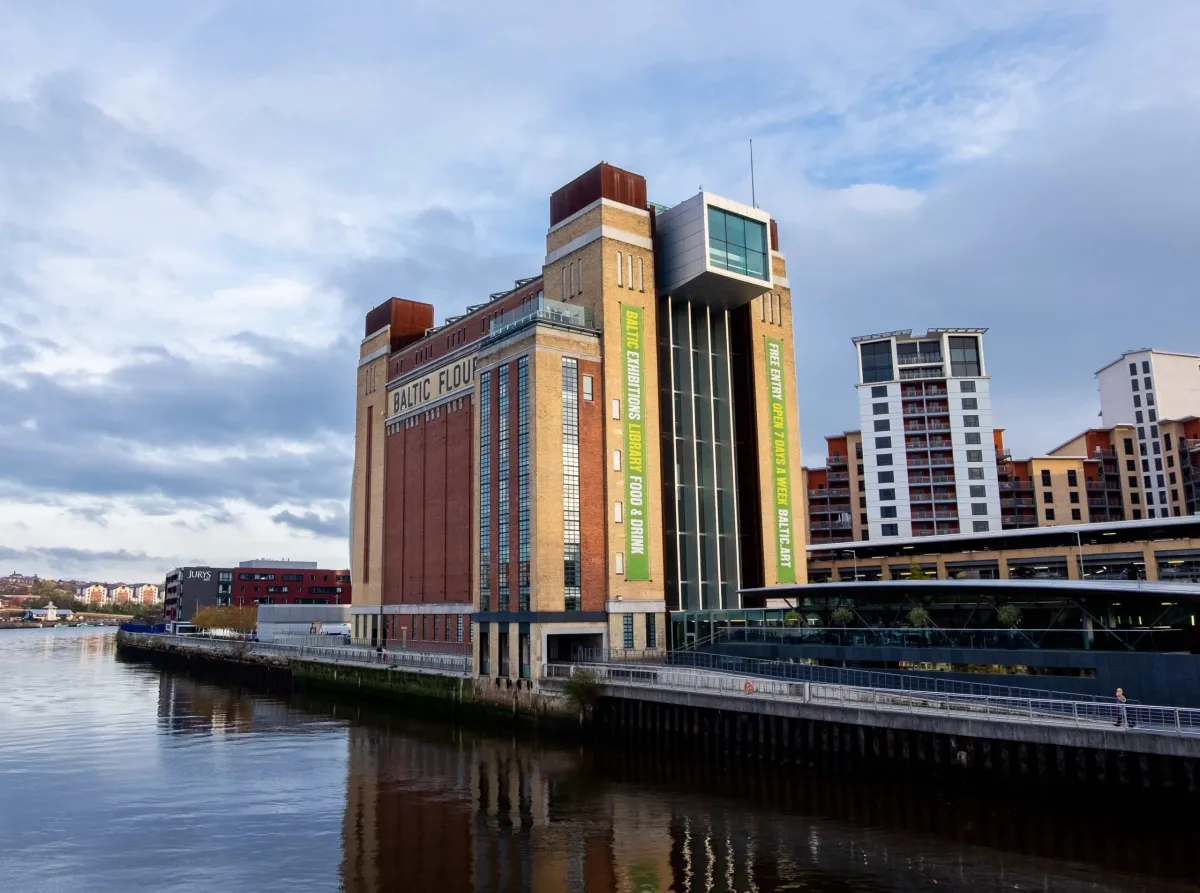 Photo: Baltic Centre, via investnewcastle.com
"We recognise that our collectors' lives don't revolve around permanent addresses," explains Baltic's commercial director Helen Murphy. "Our job is making exceptional art accessible to modern British lifestyles."
Building Community Through Mobility
Interestingly, mobile collecting is fostering stronger artistic communities. Rental-based collectors often connect through social media, sharing installation photos and trading pieces to refresh their collections.
This collaborative spirit benefits artists directly. Nottingham printmaker Alex Chen reports: "My rental-focused collectors are incredibly engaged. They attend every exhibition, follow my process online, and recommend my work actively. Their mobility creates wider exposure for my practice."
Investment Meets Lifestyle
The rental revolution demonstrates that temporary housing need not mean temporary taste. Britain's mobile collectors are proving that sophisticated artistic engagement transcends property ownership, creating dynamic markets that serve both cultural enrichment and financial growth.
As rental lifestyles become increasingly permanent, the art world's adaptation reflects broader cultural shifts towards flexibility, quality, and strategic consumption. These collectors aren't compromising on artistic standards—they're redefining what sophisticated collecting looks like in modern Britain.