The New Domestic Investment Strategy
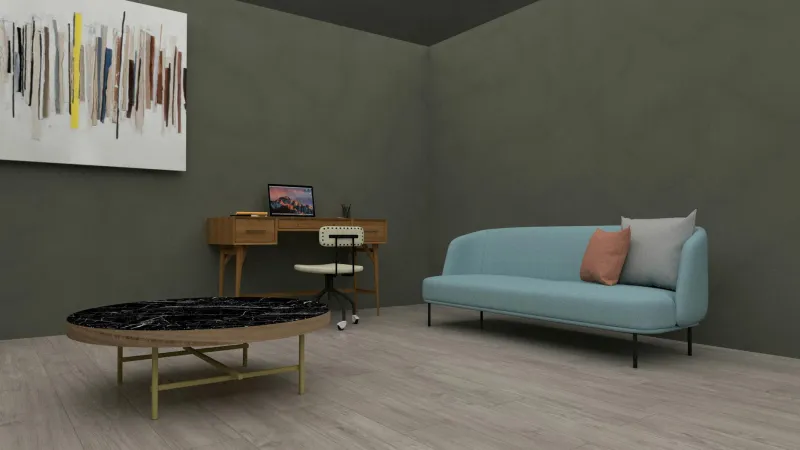
Across Britain, a quiet revolution is transforming how young homeowners approach interior design. In terraced houses from Manchester to Brighton, first-time buyers are making an extraordinary choice: prioritising original artwork over conventional furniture purchases. Where previous generations might have rushed to buy a three-piece suite, today's homeowners are hanging statement paintings above empty floors, creating homes that reflect artistic sensibility over material comfort.
This phenomenon extends far beyond simple aesthetic preference. Research indicates that 43% of British homeowners aged 25-35 have purchased original art within their first year of homeownership, often before acquiring basic furniture items. The psychological drivers behind this behaviour reveal fundamental shifts in how we conceptualise domestic space and personal investment.
The Psychology of Artistic Priority
Sarah Mitchell, a 28-year-old marketing executive from Leeds, exemplifies this trend. Having purchased her first flat in 2023, she spent £1,200 on a contemporary landscape by Yorkshire artist James Pemberton before buying a sofa. "The painting transforms the entire space," she explains. "Every morning, I see something that genuinely moves me. A sofa would just be furniture, but this artwork makes my flat feel like home."
This sentiment reflects broader cultural changes in how young Britons perceive value and meaning. Dr Elizabeth Harper, a consumer psychologist at Birmingham University, suggests that art purchases fulfil deeper psychological needs than traditional home furnishings. "Artwork provides identity validation and emotional connection in ways that functional furniture cannot," she notes. "Young homeowners are investing in objects that reflect their aspirational selves rather than merely their immediate practical needs."
Financial Wisdom Behind the Canvas
Contrary to assumptions about impractical spending, many art-first homeowners demonstrate sophisticated financial reasoning. Unlike furniture, which depreciates immediately, original artwork by emerging British artists often maintains or increases value. This investment potential particularly appeals to generation facing unprecedented property costs and economic uncertainty.
Tom Richards, a 31-year-old architect from Cardiff, has invested £3,000 in works by Welsh contemporary artists over two years of homeownership. "My IKEA sofa will be worthless in five years," he observes. "But these paintings by local artists could appreciate significantly. I'm supporting British talent whilst building something valuable for my future."
Gallery Top's marketplace data supports this perspective, showing that works by emerging British artists have demonstrated average annual appreciation of 8-12% over the past three years, significantly outperforming traditional home furnishings in terms of retained value.
Interior Stylists Adapt to Artistic Priorities
Professional interior stylists are adapting their approaches to accommodate this artistic emphasis. London-based stylist Rebecca Turner reports that 60% of her young clients now request art-focused room designs. "We're creating spaces that work around statement pieces rather than coordinating artwork with existing furniture," she explains. "It's a complete reversal of traditional interior design hierarchy."
This shift demands new skills from design professionals, who must understand both artistic movements and spatial dynamics. Turner collaborates directly with British artists to create bespoke pieces that complement architectural features, essentially treating art as the primary design element around which other elements are arranged.
Supporting Britain's Creative Economy
Emerging British artists are experiencing unprecedented direct sales to residential collectors. Manchester-based painter Lisa Chen reports that 75% of her sales now come from first-time homeowners rather than traditional collectors. "These buyers want to live with art daily," she observes. "They're not purchasing for investment speculation but for genuine emotional connection. It's incredibly rewarding as an artist."
This domestic market provides crucial income streams for creative professionals who might otherwise struggle to establish sustainable careers. The direct relationship between artists and homeowners bypasses traditional gallery commissions, allowing creators to retain larger portions of sale prices whilst building loyal collector bases.
Regional Variations and Local Connections
The trend manifests differently across British regions, with local cultural identities influencing purchasing patterns. Scottish homeowners show particular interest in contemporary landscape works reflecting Highland scenery, whilst London buyers gravitate towards urban abstracts. These regional preferences support local artistic communities and preserve cultural connections within increasingly mobile populations.
Birmingham-based collector network "Art First Homes" reports membership growth of 200% over eighteen months, with participants sharing recommendations for local artists and coordinating group studio visits. Such communities demonstrate how art-focused homeowners are creating new social structures around shared aesthetic interests.
The Future of Domestic Art Collection
This transformation suggests fundamental changes in British domestic culture. As housing costs continue rising and living spaces become smaller, homeowners are prioritising objects that provide maximum emotional and financial return on investment. Original artwork satisfies both criteria whilst supporting local creative economies.
Gallery Top's emerging artist programme has registered 150% increase in applications from creators specifically targeting residential collectors. This shift towards domestic-focused artistic practice may reshape how we conceptualise professional artistic careers and the relationship between art and daily life.
The kitchen table collectors represent more than a trend; they embody a generation choosing meaning over convention, investment over immediate gratification. As this movement grows, it promises to democratise art ownership whilst transforming both British homes and the creative industries that serve them.