The Quiet Revolution Happening in Britain's Homes
Whilst traditional galleries grapple with rising rents and changing consumer habits, a quiet revolution is unfolding in homes across Britain. Artists are discovering that the most unlikely domestic spaces—kitchen tables, converted spare bedrooms, and repurposed garden sheds—can serve as the foundation for sustainable creative careers that rival conventional studio practices.
This shift represents more than mere practicality; it signals a fundamental reimagining of how contemporary British art reaches its audience. The intimacy of creation within domestic spaces creates an authenticity that resonates powerfully with today's collectors, who increasingly seek genuine connection with the artists whose work they acquire.
The Economics of Intimate Creation
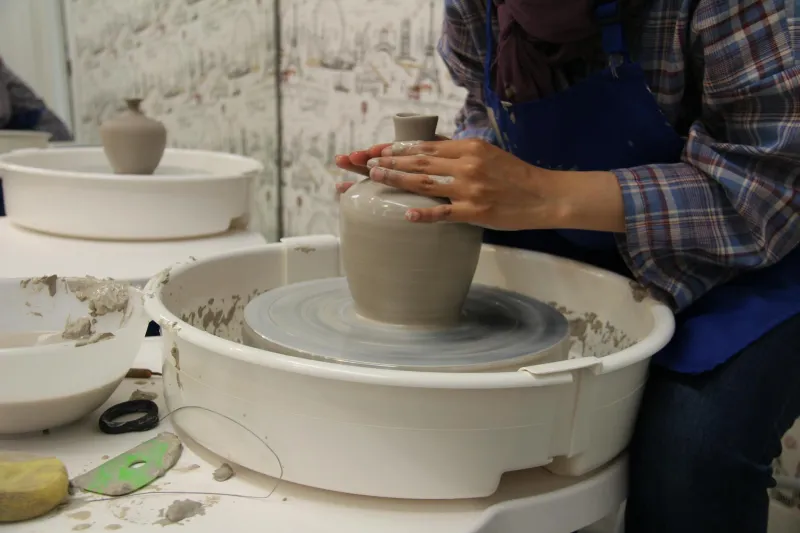
Consider Sarah Mitchell, a ceramicist from Bristol who transformed her kitchen table into a pottery studio after losing her shared workspace during the pandemic. Rather than viewing this as a setback, Mitchell embraced the constraints, developing a signature line of small-scale vessels that reflect the intimacy of their domestic origins.
"Working at my kitchen table changed everything about how I approach my craft," Mitchell explains. "The scale became more human, more personal. Collectors respond to that authenticity—they can sense that these pieces were born from real life, not from some sterile studio space."
Mitchell's annual turnover now exceeds £45,000, achieved entirely through direct sales via social media and word-of-mouth referrals. Her success illustrates how domestic creativity can generate substantial income whilst maintaining the personal touch that contemporary collectors increasingly value.
Technology Bridges the Gap
The rise of domestic studios coincides with sophisticated digital tools that make professional presentation achievable from any space. Artists like Manchester-based painter James Thornton have mastered the art of photographing work in natural domestic light, creating portfolio images that rival traditional gallery documentation.
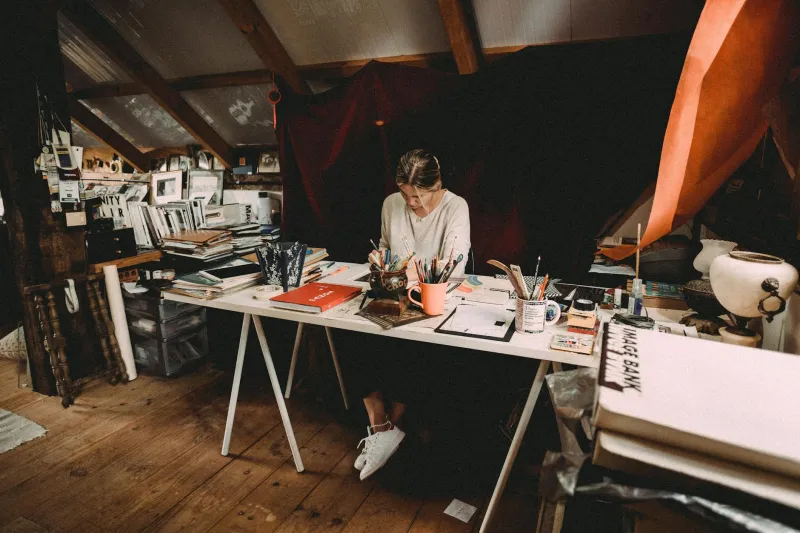
Thornton operates from a converted spare bedroom, yet his Instagram presence showcases work with museum-quality presentation. "The key is understanding that collectors aren't buying the studio—they're buying the vision," he notes. "A well-lit corner of your living room can tell a more compelling story than an expensive warehouse space."
This digital-first approach enables domestic artists to reach collectors nationwide, transcending geographical limitations that once confined artists to local markets. The result is a democratised art economy where talent and dedication matter more than postcode or studio budget.
The Collector's Perspective
For collectors, purchasing from domestic studios offers unique advantages. The intimate setting creates opportunities for meaningful dialogue about the work's creation, fostering relationships that extend far beyond transactional exchanges.
London collector Emma Hartwell describes her experience visiting artist studios: "There's something magical about seeing work in the space where it was created. When I bought a painting from an artist's living room, surrounded by her family photos and everyday life, it added layers of meaning that no gallery wall could provide."
This intimacy also translates to accessibility. Without gallery overheads, domestic artists can offer competitive pricing whilst maintaining healthy profit margins. Collectors benefit from direct relationships that often include commissioning opportunities and first access to new work.
Regional Variations and Local Identity
The domestic studio movement manifests differently across Britain's regions. In Scotland's rural areas, artists incorporate local landscapes visible from their home workspaces, creating pieces that capture specific geographical identities. Yorkshire's industrial heritage influences artists working from converted mill cottages, whilst Cornwall's coastal artists draw inspiration from sea views glimpsed through kitchen windows.
This regional authenticity adds value for collectors seeking work that embodies specific British localities. The domestic context ensures that these geographical influences feel genuine rather than manufactured.
Challenges and Adaptations
Domestic creativity isn't without challenges. Space limitations require innovative storage solutions and careful material selection. Many artists develop modular working methods, creating pieces that can be easily moved and stored within domestic constraints.
Ventilation concerns in kitchens and living spaces have led to increased adoption of water-based media and non-toxic materials. These practical adaptations often result in distinctive aesthetic choices that become signature elements of domestic-studio work.
The Future of Home-Based Practice
As Britain's housing costs continue rising and traditional studio spaces become increasingly scarce, domestic creativity represents a sustainable alternative that aligns with contemporary lifestyle patterns. The success of artists like Mitchell and Thornton demonstrates that professional-quality work can emerge from the most humble domestic settings.
For emerging artists, the domestic studio model offers an accessible entry point into professional practice. Without the pressure of studio rent, artists can focus resources on materials and marketing, building sustainable practices that grow organically with their success.
Connecting with Britain's Domestic Creators
Collectors interested in supporting this movement can engage through various channels. Social media platforms provide direct access to artists' working processes, whilst local art fairs increasingly feature domestic-studio practitioners. The key is recognising that professional quality and domestic setting aren't mutually exclusive—they can enhance each other in ways that create uniquely compelling artistic experiences.
This kitchen table revolution represents British creativity at its most resourceful and authentic, proving that artistic excellence thrives wherever passion meets opportunity.