The Gallery Floor Revolution: How Britain's Art Fairs Are Democratising Original Art Ownership
The pristine white walls of Mayfair galleries have long served as gatekeepers to Britain's art world, their hushed corridors and intimidating price tags creating an invisible barrier between original artworks and ordinary buyers. Yet across the country, a quieter transformation is taking place on the floors of converted warehouses, community centres, and historic venues where regional art fairs are rewriting the rules of how Britons discover and purchase contemporary art.
Breaking Down the Gallery Mystique
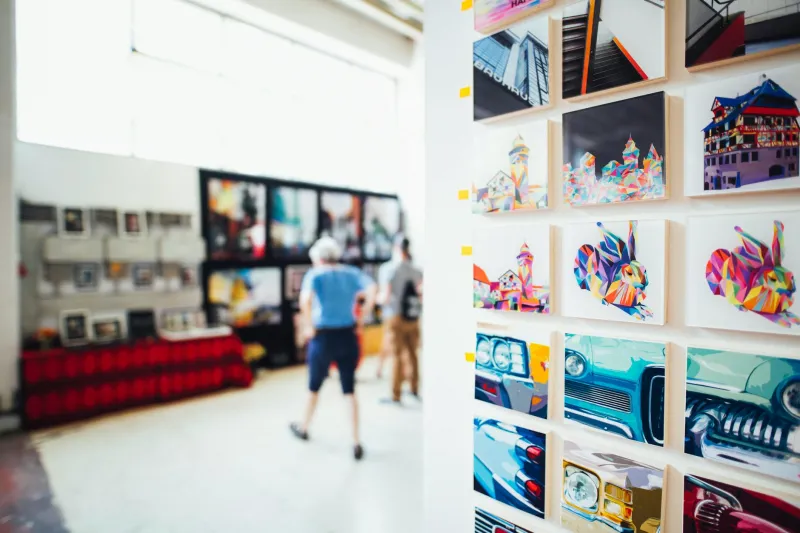
The psychology of art acquisition has traditionally been wrapped in layers of exclusivity and expertise. Traditional galleries, with their appointment-only viewings and unspoken etiquette, can feel impenetrable to newcomers. Art fairs, however, operate on entirely different principles. The bustling atmosphere, multiple price points, and opportunity to meet artists directly create an environment where curiosity trumps intimidation.
"There's something magical about seeing someone fall in love with a piece at a fair," explains Sarah Mitchell, director of the Northern Art Fair in Leeds. "They're not thinking about investment potential or art historical significance—they're responding emotionally, which is exactly how art should be experienced."
This emotional accessibility extends beyond the physical space. Where gallery purchases often involve lengthy consideration periods and formal processes, art fairs encourage immediate connection. The temporary nature of these events creates a sense of urgency that traditional galleries deliberately avoid, yet this urgency often leads to more authentic purchases based on genuine attraction rather than calculated investment.
The Rise of Regional Art Economies
Bristol's annual Art Fair has become a testament to how regional events can nurture local talent whilst attracting national attention. The city's vibrant street art heritage translates seamlessly into fair spaces, where established artists like Banksy's contemporaries exhibit alongside university graduates making their first sales.
Similarly, Edinburgh's Art Fair capitalises on the city's cultural calendar, positioning itself as a year-round alternative to the festival season's theatrical focus. The fair's success demonstrates how regional events can develop their own identity rather than simply mimicking London's established model.
These regional fairs serve a dual purpose: they provide emerging artists with crucial exposure whilst offering local collectors the opportunity to support their creative communities directly. This symbiotic relationship strengthens Britain's artistic ecosystem beyond the capital's influence.
Artist Success Stories from the Fair Circuit
For many British artists, art fairs represent the crucial bridge between studio practice and commercial success. Take Manchester-based painter James Rothwell, whose career trajectory shifted dramatically after his first Affordable Art Fair appearance in 2019. "I sold three pieces in the first hour," Rothwell recalls. "More importantly, I had conversations with buyers about my work that helped me understand what resonated with people."
Similar stories emerge across the country. Glasgow's contemporary art scene has produced numerous fair success stories, with artists like ceramicist Fiona McLeod crediting regional fairs with providing the confidence and capital to pursue art full-time. "The fair environment taught me to talk about my work," McLeod notes. "That skill has been invaluable in every aspect of my career since."
These success stories highlight how fairs function as educational platforms for artists, teaching them to engage with collectors whilst building sustainable practices outside traditional gallery representation.
A Practical Guide for First-Time Buyers
Navigating your first art fair requires strategy rather than spontaneity. Begin by setting a realistic budget—regional fairs typically offer works ranging from £200 to £5,000, making them significantly more accessible than gallery prices. Research participating artists beforehand, but remain open to unexpected discoveries.
When examining potential purchases, consider the work's longevity beyond current trends. Ask artists about their materials and techniques—understanding an artwork's construction helps gauge its durability and value retention. Don't hesitate to request the artist's contact information; many collectors develop ongoing relationships with artists whose work they acquire.
Practical considerations matter equally. Measure your wall space before attending, and factor in framing costs for works on paper. Many fairs offer installation services or can recommend professional framers, but these additional costs should influence your budget allocation.
Building Collections Without Breaking Banks
Successful collecting at art fairs requires patience and perspective. Rather than seeking individual masterpieces, consider developing thematic connections across multiple purchases. This approach allows for smaller individual investments whilst building coherent collections over time.
Regional fairs excel at presenting emerging artists whose prices remain accessible. Purchasing work from recent graduates or mid-career artists developing their practice often provides better value than established names whose prices reflect market recognition rather than artistic merit.
Consider mixed-media approaches to collection building. Combining paintings with prints, photographs, and small sculptures creates visual interest whilst maximising budget efficiency. Many fairs encourage this diversity by featuring artists working across multiple mediums.
The Future of Fair-Based Art Commerce
As Britain's art market continues evolving, regional fairs appear positioned to expand their influence. The success of events like the Liverpool Art Fair and Birmingham's contemporary art showcase suggests appetite for accessible art experiences extends far beyond traditional cultural centres.
This democratisation benefits everyone involved. Artists gain direct access to collectors, buyers discover affordable original works, and regions develop sustainable creative economies. The traditional gallery system remains important for established artists and serious collectors, but art fairs have carved out essential space for exploration and discovery.
For Britain's creative community, this represents genuine progress. Art ownership is no longer confined to those comfortable navigating exclusive gallery spaces or possessing extensive art historical knowledge. Instead, regional fairs have created environments where curiosity and enthusiasm matter more than credentials or connections, ensuring Britain's artistic heritage continues growing through genuine public engagement rather than institutional gatekeeping.