From Shed to Showroom: Britain's Garden-Inspired Artists Cultivate a Flourishing Market
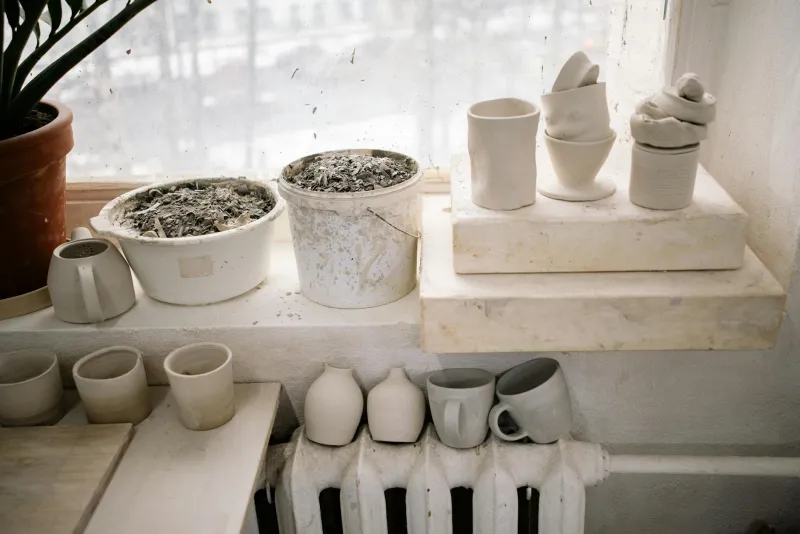
In the rolling hills of Devon, ceramic artist Sarah Whitmore shapes clay vessels whilst her runner beans climb their poles outside her studio window. Her latest collection, 'Plots and Pots', draws direct inspiration from the rhythms of her shared allotment space—each piece bearing the weathered patina of genuine soil contact and the organic irregularities that machine production cannot replicate.
Whitmore represents a growing cohort of British artists who have discovered that the nation's deep-seated gardening culture offers fertile ground for contemporary artistic expression. As Britain's allotment waiting lists stretch into decades and garden centres report record sales, a parallel movement in the art world is celebrating this pastoral sensibility with remarkable commercial success.
The Roots of a Movement
The connection between British gardens and artistic practice extends far beyond the traditional botanical illustration that adorned Victorian parlours. Today's garden-inspired artists are creating work that speaks to contemporary concerns about sustainability, community, and our relationship with the natural world—themes that resonate powerfully with modern British collectors.
"There's something quintessentially British about the allotment experience," explains curator James Hartwell, who recently organised 'Common Ground' at Birmingham's Ikon Gallery. "These artists aren't just painting pretty flowers—they're documenting a way of life that's under threat whilst celebrating the democratic nature of shared growing spaces."
The exhibition featured work by twelve artists whose practices are rooted in gardening culture, from textile artist Margaret Chen's hand-dyed fabrics using allotment-grown indigo to sculptor David Pemberton's bronze casts of weathered gardening tools. The show sold out within its first week, with pieces ranging from £800 to £15,000.
Cultivating Collectors
The market for garden-inspired contemporary art has found particularly receptive audiences among Britain's expanding community of gardening enthusiasts. The pandemic-driven surge in home growing has created a generation of new gardeners who view their plots as creative spaces—and increasingly, they're seeking artworks that reflect this passion.
"My clients aren't traditional art collectors," notes gallery owner Rebecca Morrison, whose Cotswolds space specialises in nature-inspired contemporary work. "They're people who understand the satisfaction of growing something from seed, who appreciate the subtle beauty of a well-composted soil. When they see a ceramic piece that captures that feeling, they respond immediately."
Morrison's gallery has seen particular success with artists who incorporate actual garden materials into their work. Painter Tom Ashford mixes soil from different allotments into his pigments, creating landscapes that literally contain the earth they depict. His recent series 'Plot 47B' sold for an average of £3,200 per piece to collectors across the Home Counties.
Beyond the Flower Bed
Whilst botanical subjects remain popular, the most innovative garden-inspired artists are exploring broader themes of cultivation, seasonality, and community. Installation artist Priya Patel creates sculptural arrangements using recycled greenhouse glass and reclaimed allotment structures, transforming gallery spaces into meditative environments that echo the contemplative nature of gardening.
"The allotment teaches you patience," Patel explains. "You plant something and wait months to see the result. There's a rhythm to it that's completely at odds with our instant-gratification culture. My work tries to slow people down, to make them notice small changes and seasonal shifts."
Her piece 'Growing Season' recently sold to a private collector for £18,000—a price point that reflects the growing sophistication of the market for this type of work.
Regional Variations
The movement shows distinct regional characteristics, reflecting local gardening traditions and landscape features. Northern artists often incorporate industrial heritage into their garden-inspired work, whilst those in the South West draw on centuries of market gardening tradition. London-based artists frequently explore themes of urban growing and guerrilla gardening.
In Scotland, the tradition of 'tatty holidays'—where entire communities would travel to help with potato harvests—has inspired a generation of artists exploring collective labour and seasonal migration. Glasgow-based printmaker Morag Campbell's series documenting abandoned Highland plots has found particular resonance with urban Scots seeking connection to rural heritage.
Commercial Growth
The commercial potential of garden-inspired art extends beyond traditional gallery sales. Several artists have developed successful direct-to-collector relationships through farmers' markets and garden shows, where their work sits naturally alongside heritage vegetables and heirloom seeds.
Ceramic artist Jenny Richardson reports that her best sales often come from the Chelsea Fringe Festival rather than conventional art fairs. "Garden people understand craft," she observes. "They appreciate the time and skill that goes into making something by hand. They're not intimidated by art galleries, but they're more comfortable buying work in a context they understand."
Seasonal Collecting
The cyclical nature of gardening has introduced new rhythms to art collecting, with many garden-inspired pieces selling according to seasonal patterns. Spring sees increased interest in works celebrating new growth and possibility, whilst autumn pieces exploring harvest themes and decay find ready buyers preparing for winter contemplation.
This seasonal aspect has led some galleries to adopt planting-inspired programming, with exhibitions timed to coincide with key moments in the gardening calendar. The approach has proved commercially successful, with collectors often returning annually to acquire new pieces that reflect their evolving relationship with their gardens.
Growing Future
As climate change concerns intensify and urban populations seek stronger connections to natural cycles, the market for garden-inspired contemporary art shows every sign of continued growth. Young collectors, particularly those priced out of traditional property ownership, are investing in artworks that celebrate the gardening experiences they access through community schemes and shared spaces.
The movement represents more than aesthetic preference—it reflects a fundamental shift towards valuing authentic, locally-rooted creative expression over internationally-oriented contemporary art trends. For British collectors seeking work that speaks to their lived experience whilst offering genuine artistic merit, the garden-inspired movement offers both emotional resonance and investment potential.
In an art world often criticised for its disconnection from ordinary life, these artists have found fertile ground by celebrating the most democratic of British pastimes. As waiting lists for allotments continue to grow, so too does the appetite for artworks that honour this uniquely British relationship with the soil.