The Portrait at the Table: How Britain's Dinner Party Culture Is Reviving the Art of the Bespoke Commission
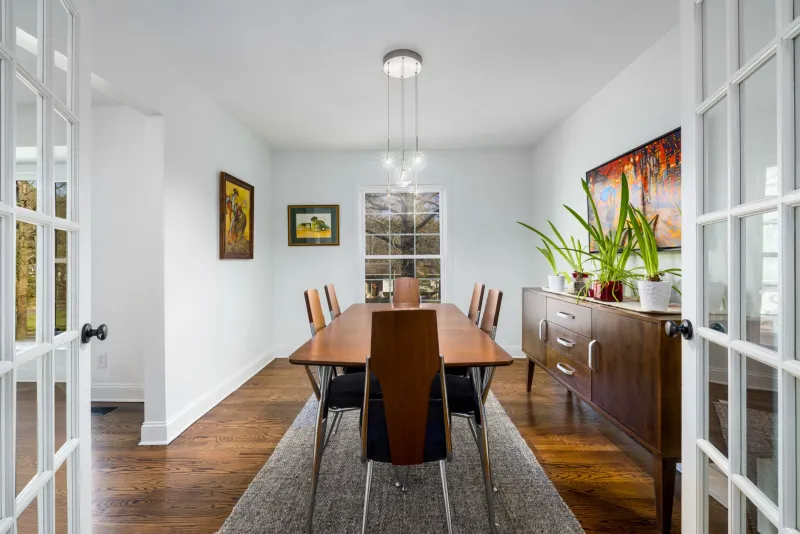
There is a particular moment that several collectors describe in almost identical terms. The guests are seated, the first course has arrived, and someone — almost always someone who has been studying the wall above the sideboard with increasing curiosity — asks about the painting. Not the artist's name, not its monetary value, but the story behind it. Who is depicted? What was the process? How did you find the person who made it? And then the evening changes register entirely.
This is the portrait commission as social catalyst, and it is a phenomenon that is quietly reshaping both the private entertaining habits of affluent British households and the commercial fortunes of a growing cohort of emerging figurative artists. What was once the exclusive province of the landed gentry and the corporate boardroom has found new life in the intimate scale of the contemporary dinner party — and the implications for Britain's art market are considerable.
The Return of the Personal Subject
Portraiture fell from commercial fashion for much of the latter twentieth century. The genre carried associations — of hierarchy, of self-aggrandisement, of stuffy institutional obligation — that sat uneasily with the democratic and conceptual currents running through British art from the 1960s onwards. Collectors who might happily spend several thousand pounds on an abstract canvas would hesitate before a figurative commission, uncertain whether the desire to be painted (or to commission a painting of someone they loved) was permissible in contemporary terms.
That hesitation has largely dissolved. The success of the National Portrait Gallery's annual BP Portrait Award — now rebranded under new sponsorship but undiminished in its public appetite — demonstrated conclusively that British audiences retain a powerful appetite for skilled figurative work. The gallery's portrait commissions, undertaken by its prize-winning artists, introduced a generation of collectors to the idea that commissioning a portrait was not an act of vanity but of cultural participation.
The private market has followed. Artists working in figurative and portrait traditions report a marked increase in enquiries from private clients over the past five years, with the most consistent growth coming from a demographic that gallerists describe, with some precision, as "the serious dinner party host."
Entertaining as Curation
The aspiration to create a home that is also a coherent aesthetic statement is not new. What has changed is the means by which that statement is pursued. Where previous generations of affluent homeowners might have turned to interior designers and antique dealers, a growing number are commissioning directly from living artists — and increasingly, they are doing so with their social spaces specifically in mind.
The dining room, historically the most formal room in a British house, has become a particular focus of this commissioning impulse. It is the space in which guests spend the most sustained time, where conversation flows across hours rather than minutes, and where the works on the walls are subject to the kind of prolonged, wine-assisted scrutiny that a hallway or sitting room rarely receives. A portrait in this context is not merely decorative; it is conversational infrastructure.
Amelia Forsythe, an interior consultant based in London who works with clients across the home counties, has observed the trend with professional interest. "Five years ago, clients would ask me to source something interesting for the dining room — usually a landscape or a still life," she says. "Now they want something personal. They want to be able to tell the story of the work, and a portrait gives you a story that is entirely your own."
Forsythe estimates that a third of her current dining room commissions involve original portraiture, a proportion she describes as unprecedented in her career. The subjects vary — some clients commission family portraits, others choose to depict friends, and a small but growing number select sitters with no personal connection, commissioning figurative works that speak to cultural or historical themes of personal significance.
The Artist's Perspective
For the painters and draughtspeople receiving these commissions, the dinner party context presents both opportunity and obligation. A work destined for a social space must be engaging at distance as well as on close inspection; it must reward the guest who glances across the table and the one who leans in during a quiet moment between courses. The demands are specific and, for artists trained in the traditions of figurative painting, rather pleasurable.
Oliver Marsh, a portrait painter from Bristol whose work has appeared in collections across the West Country and beyond, describes the private commission as the most technically demanding and personally rewarding form of his practice. "When a client tells me the painting will hang in their dining room, I think about it differently," he explains. "It will be seen in candlelight, in conversation, by people who are relaxed and receptive. That's a wonderful set of conditions to paint for."
Marsh has received three further commissions directly from guests who encountered his work at a client's dinner table — a conversion rate that would satisfy any gallery. "The dining room is the best sales environment I have ever worked in," he says, with evident amusement. "And I never have to be there."
Gateway Commissions and the Wider Collection
What distinguishes the portrait commission from other forms of private art acquisition is its tendency to function as a gateway. Collectors who begin with a single figurative commission frequently develop a broader appetite for original work — and for the artists who make it. The intimacy of the commissioning process, which typically involves multiple studio visits, extended correspondence, and a degree of personal disclosure unusual in commercial transactions, creates a relationship with art-making that purely transactional purchasing cannot replicate.
Gallery professionals who work with portrait artists note this pattern consistently. The client who commissions a portrait is, within two or three years, very often a collector of that artist's non-commissioned work — and sometimes of other artists encountered through the same social networks that the portrait commission itself activated. The dinner party, in this reading, is not merely a venue for displaying art but a mechanism for propagating the collecting impulse through a social group.
For Britain's emerging figurative artists, the implications are encouraging. A market that was once structured almost entirely around institutional commissions and the narrow demographics of inherited wealth is diversifying rapidly. The contemporary dinner party host — educated, culturally engaged, and motivated by the desire to create a home that reflects genuine personal taste — represents a new and substantial category of patron. And the portrait on the dining room wall, it turns out, is doing considerable work on their behalf.