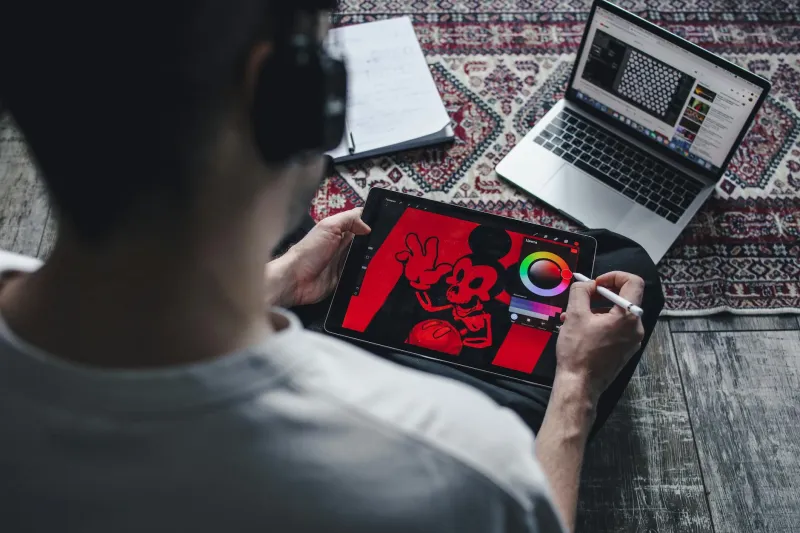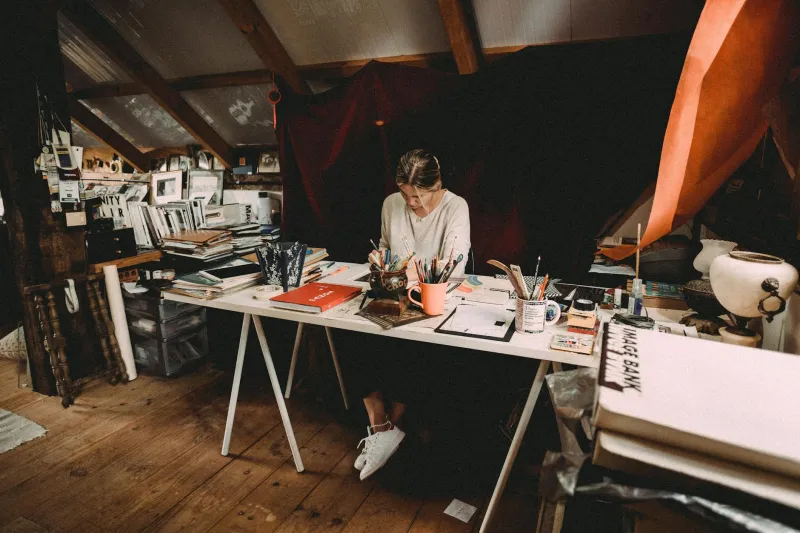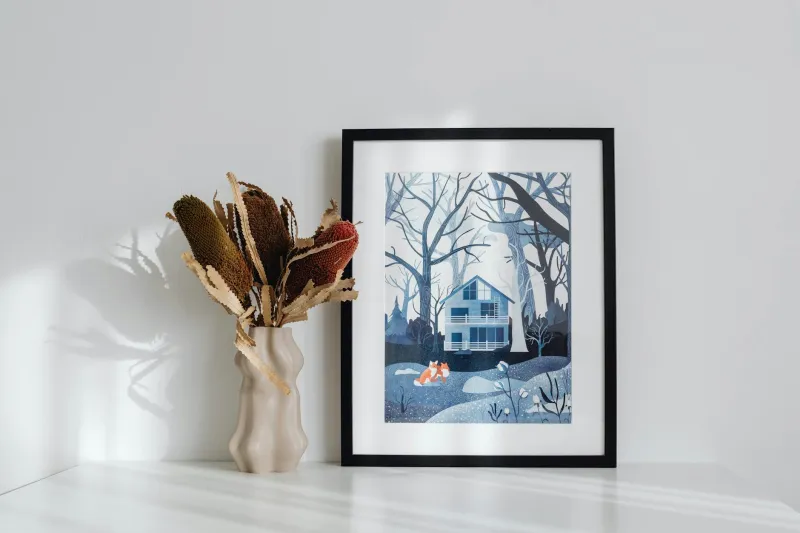
The art world has witnessed a quiet revolution taking place not in prestigious galleries or auction houses, but in ordinary British sitting rooms across the nation. Monthly art subscription boxes have emerged as an unexpected force in the contemporary art market, delivering carefully curated original works directly to subscribers' doorsteps and fundamentally altering the relationship between artists, collectors, and the spaces we inhabit.
The Subscription Economy Meets Contemporary Art
This phenomenon represents more than mere convenience shopping; it signals a profound shift in how British audiences engage with contemporary art. Services such as Rise Art's monthly selections and The Artling's curated boxes have capitalised on subscription culture's appeal whilst addressing longstanding barriers to art collecting. The model transforms the intimidating gallery experience into an intimate, domestic encounter with creativity.
Sarah Mitchell, founder of London-based Artbox Monthly, explains the appeal: "We're not simply posting artwork; we're creating anticipation, discovery, and connection. Each month becomes an event, a small celebration of British creativity arriving at your front door." Her service, launched during the pandemic's height, now reaches over 2,000 subscribers across England, Scotland, and Wales.
Building Sustainable Creative Economies
For artists, these platforms represent more than alternative sales channels—they offer predictable income streams in an notoriously unpredictable industry. Manchester-based printmaker James Thornton credits subscription services with transforming his practice: "Instead of creating work and hoping galleries will show it, I'm producing for an established audience who genuinely want to engage with my art."
The mathematics prove compelling. Where a gallery exhibition might sell five pieces over six weeks, subscription services provide monthly guaranteed sales to hundreds of collectors simultaneously. This model enables artists to plan, experiment, and develop their practice with unprecedented financial security.
Emerging artists particularly benefit from this democratisation. Cardiff illustrator Emma Roberts discovered her audience through subscription boxes before galleries took notice: "These services gave me credibility and cash flow. Collectors were hanging my work in their homes months before I had my first solo exhibition."
Challenging Traditional Gatekeeping
The subscription model inherently challenges art world hierarchies by bypassing traditional gatekeepers. Curators at these services often prioritise accessibility and emotional resonance over academic credentials or gallery representation. This shift has created opportunities for artists previously excluded from established networks.
However, critics argue that subscription services merely create new forms of gatekeeping. Dr. Helen Cartwright from the University of Edinburgh's Art History department observes: "These platforms still require curation, still make aesthetic judgements about what constitutes 'good' art. The gatekeepers have changed, but gates remain."
The Collector's Perspective
Subscription boxes have cultivated a distinctly British approach to collecting—one characterised by modesty, curiosity, and domestic integration rather than investment speculation or social signalling. Subscribers often describe their motivation as supporting artists and discovering new voices rather than building valuable collections.
Liverpool-based subscriber Michael Chen reflects: "I never considered myself an art collector until these boxes started arriving. Now I have thirty original works on my walls, all by British artists I might never have encountered otherwise. It's changed how I think about my home and the role art plays in daily life."
Regional Representation and Discovery
These services have proven particularly effective at showcasing regional British talent often overlooked by London-centric gallery systems. Subscription curators actively seek artists from Yorkshire's post-industrial landscapes, Scotland's remote islands, and Northern Ireland's vibrant urban scenes, creating unprecedented exposure for geographically dispersed creative communities.
The model's success in representing regional diversity stems partly from its digital-first approach. Unlike physical galleries constrained by location and footfall, subscription services can feature artists from Orkney to Cornwall with equal prominence, creating a genuinely national platform for contemporary British art.
Sustainability and Authenticity Concerns
As subscription services proliferate, questions arise about long-term sustainability and artistic integrity. Can monthly production cycles accommodate the contemplative processes many artists require? Are subscribers developing genuine appreciation for contemporary art, or simply consuming aesthetic products?
Some artists express concern about the pressure to produce consistently marketable work. Bristol sculptor Anna Davies notes: "There's tension between creating authentic art and meeting subscription demands. The monthly rhythm doesn't always align with creative inspiration."
The Future of Domestic Art Consumption
Subscription boxes represent broader cultural shifts towards experiential consumption and domestic investment. As British households increasingly prioritise home environments—accelerated by remote working trends—art subscriptions satisfy desires for personal expression and cultural engagement within domestic spaces.
The model's success suggests appetite for ongoing cultural discovery rather than one-off purchases. Subscribers often describe the anticipation and surprise elements as equally valuable as the artwork itself, indicating that the experience transcends mere acquisition.
Conclusion: Redefining British Art Collecting
Monthly art subscription services have achieved something remarkable: they have made contemporary British art collecting feel accessible, exciting, and personally meaningful to audiences previously excluded from gallery culture. Whether this represents genuine democratisation or sophisticated marketing remains debatable, but the impact on artists' livelihoods and collectors' engagement appears undeniably positive.
As these services mature, their influence on British art culture will likely extend beyond commerce into education, taste-making, and cultural participation. The sitting room, it seems, has become the new frontier for contemporary art discovery—one carefully curated box at a time.