A Pint and a Painting: The Unexpected Gallery Revolution
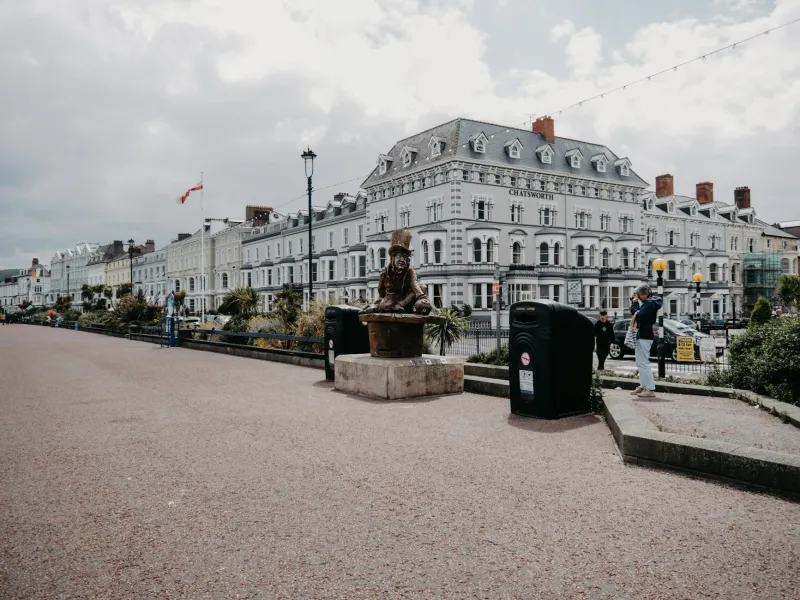
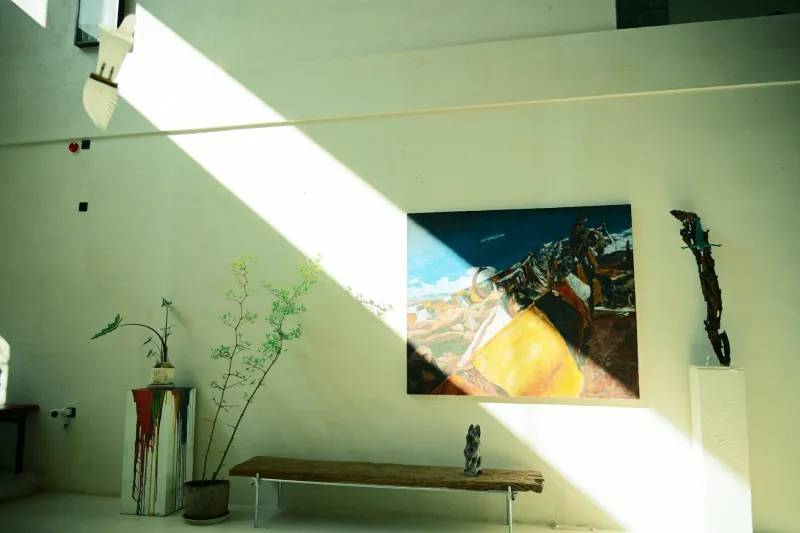
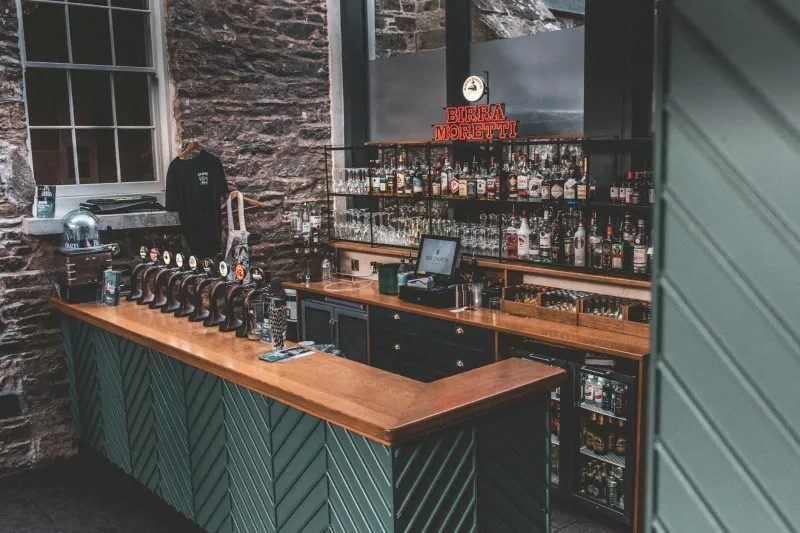
The Red Lion in Gloucestershire's Chipping Campden looks much like any other Cotswolds pub from the outside. Step through its oak-beamed entrance, however, and you'll discover something remarkable: the walls are alive with original contemporary art, each piece bearing a modest price tag and the artist's contact details. This isn't an isolated phenomenon. Across Britain, publicans are discovering that art and ale make surprisingly compatible bedfellows.
 Photo: The Red Lion, via companieslogo.com
Sarah Mitchell, landlady of The Wheatsheaf in Derbyshire's Peak District, began displaying local artwork three years ago when a regular patron mentioned she was struggling to find venues for her landscape paintings. "I had bare walls and she had beautiful work gathering dust in her studio," Mitchell recalls. "It seemed obvious to put the two together." Today, The Wheatsheaf operates an informal rotation system, with new exhibitions every six weeks and sales averaging £2,000 monthly.
 Photo: Sarah Mitchell, via filmfreeway-production-storage-01-connector.filmfreeway.com
Breaking Down Gallery Barriers
The pub-as-gallery model addresses a fundamental challenge in Britain's contemporary art market: accessibility. Traditional galleries can feel intimidating to many potential collectors, whilst artists often struggle with exhibition costs and lengthy waiting lists. Pubs, by contrast, offer something invaluable – a relaxed environment where people encounter art naturally, without the pressure of a formal viewing.
Dr Rebecca Thornton, who studies art market trends at Leeds University, observes a significant shift in purchasing behaviour. "We're seeing first-time art buyers who would never have entered a commercial gallery making their initial purchases in pubs," she explains. "The informal setting allows for genuine conversation between artist and potential collector, often leading to more meaningful acquisitions."
 Photo: Leeds University, via westernbuild.com
The Commercial Arrangement
Most pub-gallery partnerships operate on straightforward commission structures, typically ranging from 20-30% – considerably lower than traditional gallery rates. The Crown & Anchor in Brighton's Lanes has developed a particularly successful model: artists pay a modest monthly fee for wall space, retain full control over pricing, and keep 85% of sales proceeds. Landlord James Morrison reports that the arrangement has increased both footfall and dwell time, with customers staying longer and often returning specifically to view new work.
The financial benefits extend beyond commission. Several publicans report increased food and beverage sales during exhibition openings, whilst the rotating displays create talking points that enhance the social atmosphere. The George Inn in Lavenham, Suffolk, has seen a 15% increase in weekday trade since introducing monthly art exhibitions, with many visitors specifically timing their visits to coincide with new displays.
Cultural Resonance and Community Connection
The success of pub galleries speaks to something deeper than mere convenience. British pubs have served as community focal points for centuries, spaces where news, gossip, and ideas are exchanged. By introducing contemporary art into this environment, landlords are continuing a tradition of cultural engagement that stretches back generations.
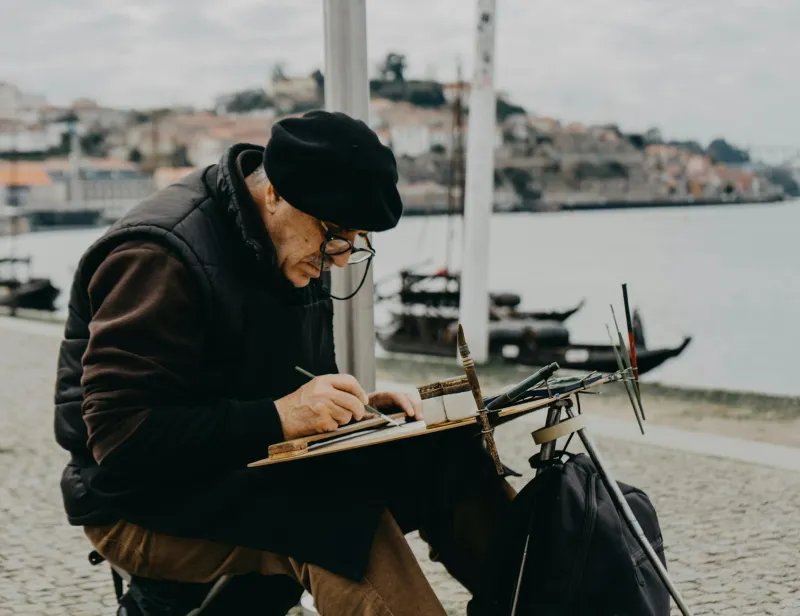
Artist Marcus Webb, whose textile works have featured in twelve different pub venues across the West Country, values the immediate feedback these spaces provide. "In a traditional gallery, people whisper and observe from a distance," he notes. "In a pub, they'll tell you exactly what they think over a pint. It's invaluable for understanding how your work communicates."
Success Stories and Emerging Trends
The Old Forge in Northumberland's Hexham has become something of a pilgrimage site for collectors seeking emerging talent. Proprietor Helen Davies has sold works by over forty local artists in the past two years, with pieces ranging from £50 sketches to £3,000 sculptures. Several artists have used pub sales as stepping stones to gallery representation, whilst others have built sustainable careers entirely through this informal network.
Similarly, The Swan at Swinbrook in Oxfordshire has developed a reputation for showcasing experimental contemporary work that might struggle to find commercial gallery representation. Owner Marcus Ashenford actively seeks out challenging pieces, believing that the pub environment allows for more adventurous programming. "People are more open to unusual work when they're relaxed," he observes. "We've sold video installations and sound sculptures that would be hard to place elsewhere."
The Digital Extension
Many pub galleries are embracing digital platforms to extend their reach. The Plough Inn in Cumbria's Lake District maintains an active Instagram presence, documenting exhibitions and facilitating online sales to visitors who discovered artists during previous visits. This hybrid approach has proven particularly effective during challenging periods, maintaining artist-collector relationships beyond geographical constraints.
Future Prospects
As traditional retail spaces struggle and gallery overheads continue rising, the pub gallery model offers a sustainable alternative that benefits all participants. The Campaign for Real Ale has noted the positive impact of art programmes on pub viability, whilst Arts Council England has begun recognising these venues as legitimate cultural spaces worthy of support.
For collectors, particularly those seeking authentic connections with emerging British talent, pub galleries represent an opportunity to discover work before it reaches mainstream attention. The informal environment encourages conversation, builds relationships, and often leads to studio visits and commission opportunities.
A Toast to Innovation
The marriage of art and ale reflects broader changes in how Britain approaches culture and community. By removing barriers between artist and audience, pub galleries are democratising art appreciation whilst providing sustainable income streams for creative practitioners. As more landlords recognise the commercial and social benefits of these partnerships, this grassroots movement seems likely to continue flourishing, one pint and one painting at a time.
For those interested in discovering this alternative art circuit, the British Pub Gallery Alliance maintains an online directory of participating venues, whilst many regions now offer dedicated art pub trails for dedicated collectors and casual browsers alike.