The Rise of the Bedroom Atelier
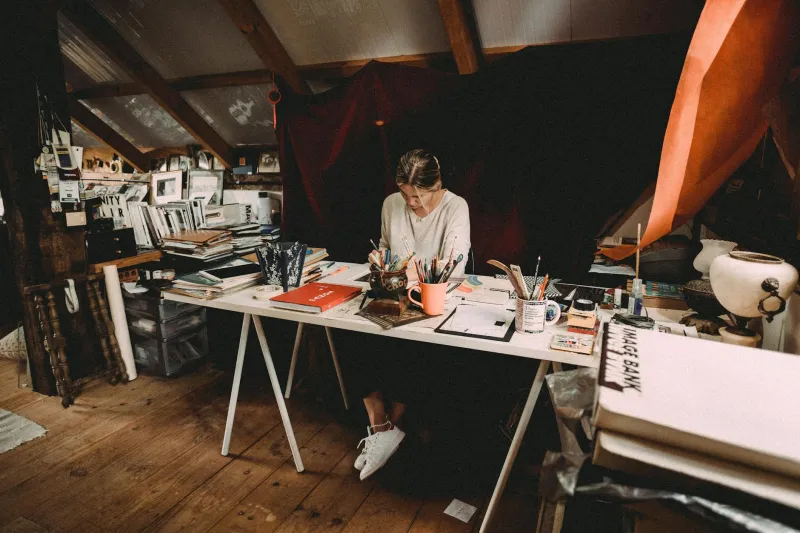
In a converted bedroom in Birmingham, Sarah Chen transforms discarded packaging into intricate sculptural works that now hang in London galleries. Her journey from self-taught experimenter to represented artist mirrors a broader shift occurring across Britain's contemporary art landscape—one where traditional academic credentials are becoming less essential to artistic success.
The autodidact movement in British art has gained unprecedented momentum over the past decade. Artists like Chen represent a growing cohort who have bypassed the traditional fine art degree pathway, instead developing their practice through online tutorials, community workshops, and relentless experimentation. This shift challenges long-held assumptions about artistic legitimacy and the gatekeeping mechanisms that have historically defined the UK art establishment.
Breaking Down Educational Barriers
Traditionally, the route to artistic recognition in Britain followed a predictable pattern: foundation course, fine art degree, perhaps a master's qualification, followed by the challenging pursuit of gallery representation. However, rising tuition fees—now exceeding £9,000 annually—have made formal art education increasingly inaccessible to many talented individuals from diverse socioeconomic backgrounds.
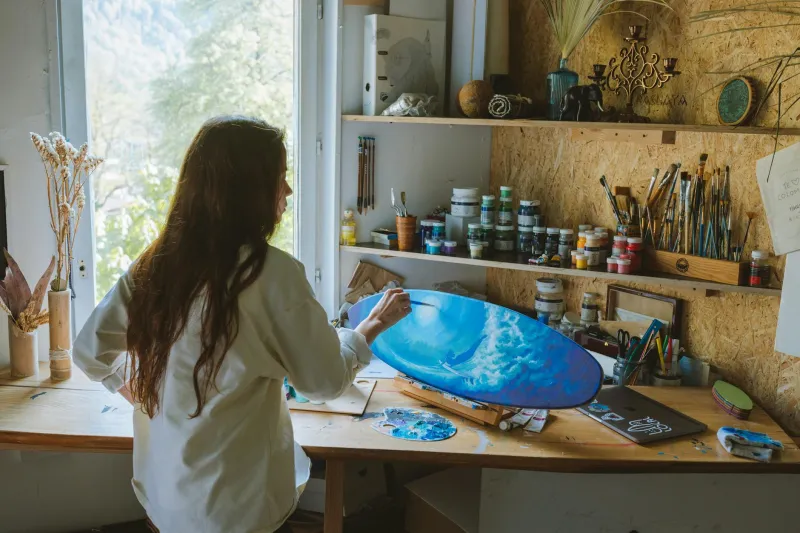
David Kellaway, who transitioned from warehouse work to creating acclaimed abstract paintings, exemplifies this new trajectory. "I couldn't afford university, but I could afford paint and canvas from the local art shop," he explains. "YouTube became my lecturer, and my spare room became my studio." Kellaway's work now features in several regional galleries across the North West, demonstrating that alternative educational pathways can lead to professional recognition.
Digital Democracy and Artistic Development
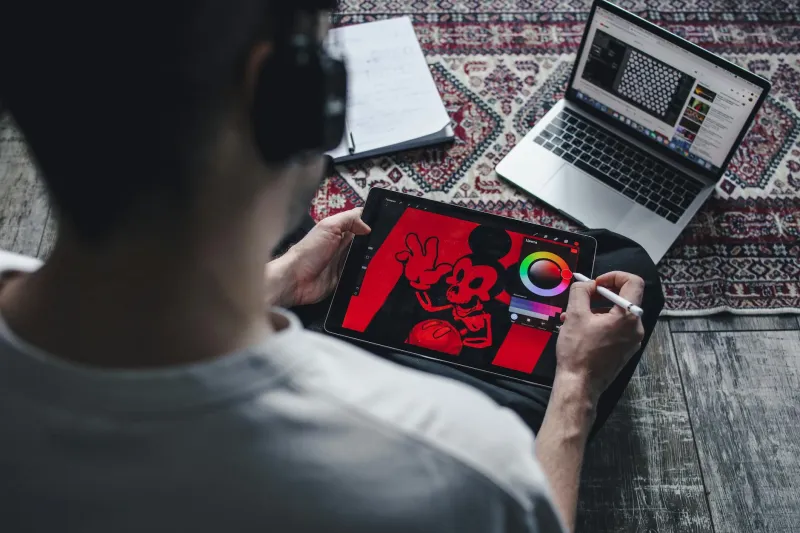
The democratisation of art education through digital platforms has fundamentally altered how artists develop their skills. Online communities, tutorial videos, and virtual workshops have created unprecedented access to technical knowledge previously confined to institutional settings. Instagram accounts dedicated to art techniques, Discord communities for peer feedback, and platforms like Skillshare have become the new art schools for many emerging British artists.
Maria Santos, whose mixed-media installations explore themes of migration and identity, credits online communities with her artistic development. "I learned colour theory from YouTube, composition from Instagram posts, and received critique from artists worldwide through online forums," she notes. "My education was global, diverse, and cost a fraction of a degree programme."
Commercial Success Without Academic Credentials
The commercial viability of self-taught artists has become increasingly evident in Britain's contemporary art market. Gallery owners and collectors are showing greater openness to artists based on the strength of their work rather than their educational pedigree. This shift reflects broader changes in how artistic value is assessed and marketed.
James Morrison, director of a prominent Manchester gallery, observes: "We've noticed collectors are more interested in the story behind the work and the artist's unique perspective than their qualifications. Some of our most successful artists never set foot in an art school, yet they bring fresh viewpoints that resonate strongly with audiences."
Challenges and Limitations
Despite these success stories, self-taught artists face distinct challenges in navigating Britain's art ecosystem. The absence of institutional networks can make it difficult to access opportunities, understand industry protocols, or develop professional relationships. Additionally, certain technical skills—particularly in areas like printmaking or large-scale sculpture—may require specialised equipment and guidance that remain difficult to access independently.
Critical discourse and art historical context, traditionally developed through academic study, can also present challenges for autodidact artists. However, many are addressing these gaps through alternative means, including reading groups, online courses, and mentorship programmes offered by established artists and cultural organisations.
Regional Diversity and Authentic Voices
One notable characteristic of the self-taught movement is its geographical diversity. Unlike the London-centric focus of many traditional art education pathways, autodidact artists are emerging from every corner of Britain, bringing regional perspectives and authentic local voices to the contemporary art conversation.
From the industrial landscapes of the Midlands to the coastal communities of Cornwall, self-taught artists are creating work that reflects their immediate environments and personal experiences in ways that feel genuinely connected to their communities. This geographic spread is enriching British contemporary art with perspectives that might otherwise remain underrepresented.
Institutional Recognition and Future Prospects
The growing recognition of self-taught artists by established institutions signals a significant shift in the British art world's attitudes. Several major prizes and exhibitions now explicitly welcome submissions from artists regardless of their educational background, focusing instead on artistic merit and innovation.
Public galleries are also beginning to actively seek out autodidact artists, recognising their potential to connect with diverse audiences and bring fresh perspectives to their programming. This institutional support is crucial for legitimising alternative pathways to artistic success and encouraging future generations of self-taught practitioners.
The New Artistic Landscape
The success of self-taught artists in Britain's contemporary scene suggests a fundamental evolution in how artistic talent is recognised and nurtured. While formal education continues to provide valuable structure and networking opportunities, it is no longer the exclusive pathway to artistic achievement.
This democratisation of artistic success reflects broader cultural shifts towards valuing authenticity, diversity, and alternative perspectives. As the British art world becomes more inclusive and accessible, the contributions of autodidact artists are likely to become increasingly central to the nation's cultural conversation.
The stories of artists like Chen, Kellaway, and Santos demonstrate that passion, dedication, and access to information can be just as powerful as formal qualifications in developing artistic practice. Their success challenges traditional hierarchies while enriching Britain's contemporary art landscape with voices that might otherwise have remained unheard.