The Quiet Revolution in British Homes
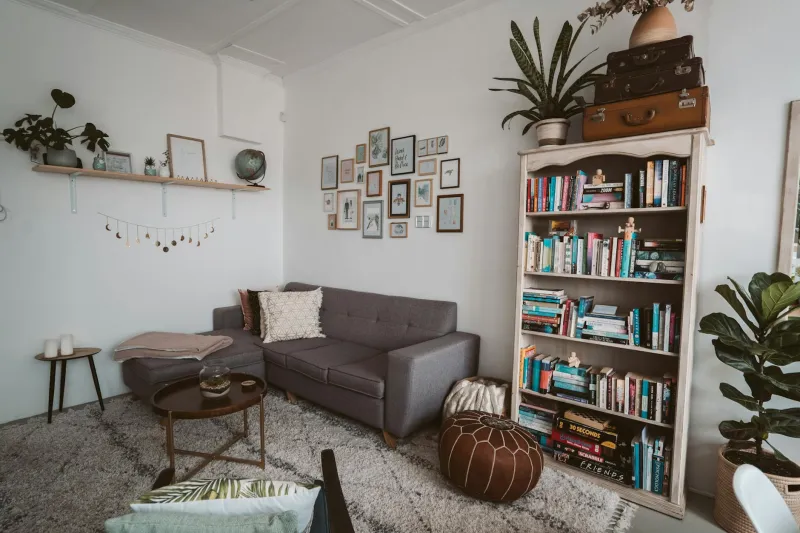
In a modest terraced house in Stockport, primary school teacher Sarah Mitchell carefully adjusts a vibrant landscape painting above her mantelpiece. The piece, purchased for £180 from a local artist's studio, sits alongside works by emerging painters from across Greater Manchester. Her collection, built over fifteen years on a teacher's salary, now numbers forty-three original pieces.
"People assume you need thousands to collect art," Sarah explains, gesturing towards her sitting room walls. "But I've never spent more than £300 on a single piece. It's about finding artists before everyone else does."
Sarah represents a growing demographic in Britain's art market: ordinary working people who've discovered that building significant collections requires curiosity and commitment rather than trust funds. These kitchen table collectors, as they've become known, are quietly reshaping perceptions about who can participate in the art world.
Beyond the Gallery Circuit
Traditional collecting wisdom suggests starting with established galleries and recognised names. But Britain's new generation of collectors follows a different path entirely. They frequent open studios, follow artists on social media, and make purchases based on emotional connection rather than investment potential.
Dave Thompson, a plumber from Wolverhampton, stumbled into collecting after visiting a degree show at the local university. "I went with my daughter who was studying there," he recalls. "Ended up buying three paintings that day for less than I'd spend on a weekend away."
Five years later, Dave's collection spans multiple mediums and generations of artists. His garage workshop doubles as a viewing room where friends gather to discuss his latest acquisitions. "It's not about showing off," he insists. "These pieces mean something to me. They tell stories."
The Accessibility Factor
What distinguishes these collectors from their wealthier counterparts isn't just budget constraints—it's their approach to discovery. They're more likely to buy directly from artists, attend graduate shows, and explore regional art scenes that established collectors often overlook.
Nurse practitioner Maria Santos from Cardiff has built her collection around Welsh contemporary artists, focusing particularly on those exploring themes of identity and belonging. "I see patients from all walks of life," she explains. "I'm drawn to art that reflects that diversity."
Maria's collection strategy involves attending every open studio event within driving distance of Cardiff. She maintains relationships with dozen of artists, often commissioning smaller works that fit both her budget and wall space. "Artists remember collectors who support them early on," she notes. "I've watched several of 'my' artists go on to gallery representation."
The Social Aspect
These collectors often form informal networks, sharing discoveries and recommendations through social media groups and local meetups. The Facebook group "Affordable Art Hunters UK" boasts over 12,000 members who regularly share studio sale notifications and artist recommendations.
Retired postal worker Jim Bradley from Newcastle credits the group with transforming his collecting journey. "I started buying art after my wife passed," he explains. "The community aspect kept me going. We visit studios together, share our finds, celebrate each other's discoveries."
Jim's collection now fills every room of his Gateshead home, with pieces ranging from £50 sketches to a £400 sculpture that serves as his garden's centrepiece. "Each piece has a story about where I found it, who I was with, what was happening in my life," he reflects.
The Digital Advantage
Social media has democratised art discovery in ways that particularly benefit modest-budget collectors. Instagram and TikTok allow artists to showcase work directly to potential buyers, bypassing traditional gatekeepers.
Technical writer Louise Chang from Reading has built her entire collection through Instagram discoveries. "I follow hashtags like #affordableart and #emergingartists," she explains. "Artists often offer payment plans or smaller works specifically for collectors like me."
Louise's approach involves extensive research into artists' backgrounds and trajectories. "I'm not buying for investment, but I do want to support artists who are serious about their practice," she clarifies. Her collection focuses on printmaking and mixed media works, with pieces acquired from artists across Britain and Ireland.
The Emotional Investment
What unites these diverse collectors is their emphasis on personal connection over market value. They buy pieces that speak to their experiences, reflect their values, or simply bring joy to their daily lives.
Care worker Angela Roberts from Birmingham describes her collecting philosophy simply: "If it makes me smile every time I see it, it's worth having." Her collection, built over eight years, reflects her Caribbean heritage and love of colour. "Every piece tells part of my story," she explains.
Angela's most treasured acquisition came from a chance encounter at a community centre exhibition. "The artist was there, selling work to raise money for art supplies. We talked for an hour about our shared experiences as immigrants. The painting I bought that day means more to me than anything else I own."
The Future of Accessible Collecting
As these collectors demonstrate, the art world's future lies not just in exclusive galleries and auction houses, but in the genuine enthusiasm of people who buy art because they love it. Their collecting practices—emphasising relationships, discovery, and personal meaning—offer a refreshing alternative to investment-driven approaches.
Their impact extends beyond personal satisfaction. By supporting emerging artists and regional scenes, these collectors provide crucial early-career support that helps sustain Britain's creative ecosystem. They prove that art collecting, at its best, is about building connections—between collector and creator, between artwork and daily life, between individual passion and broader cultural participation.
In sitting rooms and kitchens across Britain, extraordinary collections are taking shape one modest purchase at a time, proving that the most meaningful art often finds its way to those who need it most.